
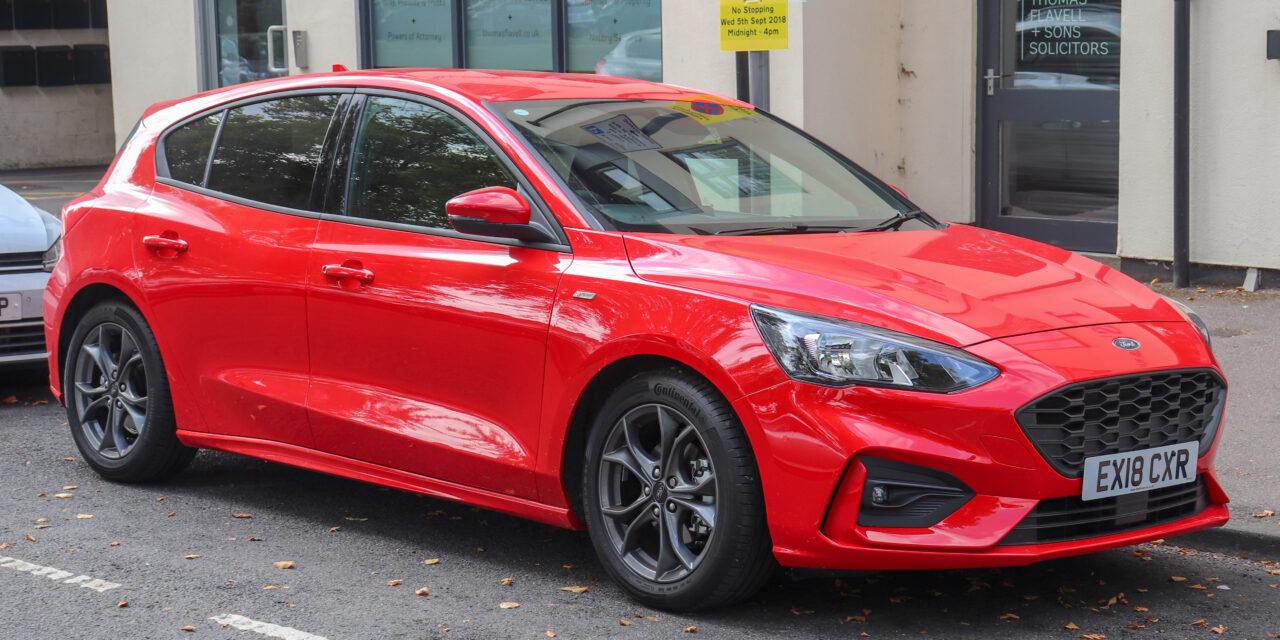
If your Ford Focus has an MOT advisory or fail for a suspension arm bush, do not panic, but do not ignore it either. Bush wear is common on everyday UK cars, and on a Focus it often starts as a vague knock, slightly loose steering feel or uneven tyre wear before it turns into an outright MOT problem.
The key point is simple. A suspension arm bush is meant to flex a little, but it is not meant to split, separate or allow excessive movement. Once wear becomes serious enough to affect how the suspension is located, the car can fail.
Quick answer
Yes, a Ford Focus can fail its MOT for a suspension arm bush problem. Under the DVSA MOT inspection manual, a suspension arm pin or bush that is excessively worn is a major defect. If the wear is so severe that the component is likely to become detached, it is treated as a dangerous defect.
That does not mean every older bush automatically fails. The MOT manual also makes clear that some rubber or synthetic bushes are designed to flex, so testers should only reject them when there is serious deterioration or excessive wear.
What a suspension arm bush does on a Ford Focus
A suspension arm bush is a rubber or rubber-bonded mounting that helps connect the suspension arm to the body or subframe while still allowing controlled movement. On a Ford Focus, worn bushes can affect ride quality, steering precision and how stable the car feels under braking or over rough roads.
Depending on the Focus generation, the exact bush arrangement differs, but the MOT principle is the same. The tester is not checking whether the bush looks old. They are checking whether it still controls movement properly and whether the suspension remains secure and safe.
Why a Ford Focus suspension arm bush can trigger an MOT fail
The DVSA rules are based on condition and excessive play, not just age.
A Focus is more likely to fail when the tester finds one or more of these:
- excessive movement in the suspension arm or mounting point
- split or badly deteriorated rubber
- separation between the bush material and its metal housing
- movement severe enough to affect suspension location
- surrounding suspension damage or corrosion that makes the problem worse
The MOT manual also covers excessively damaged suspension components more broadly, so a worn bush and a corroded mounting area can become a bigger issue than the bush alone.
Common symptoms before the test
A worn Focus suspension arm bush often shows itself before MOT day. Common warning signs include:
Knocking over potholes or speed humps
This is one of the most common clues. The noise is often dull rather than metallic, and you may hear it more clearly at low speed on broken roads.
Steering that feels vague or less settled
If the car no longer feels as tidy or direct as it used to, bush wear could be allowing the suspension geometry to move around more than it should.
Uneven tyre wear
A bush that has too much play can affect alignment and put extra stress on the tyre edge.
Pulling under braking or acceleration
If the car seems to shift slightly when you load it up, that can point to worn suspension arm bushes or another front suspension issue.
Repeat MOT advisories
If your Focus has had the same suspension advisory more than once, do not assume it will stay an advisory forever. Bushes rarely heal themselves, and repeated notes often end in a failure later.
Does every worn bush fail the MOT?
No, and this is where many owners get confused.
The DVSA manual recognises that some bushes are supposed to move. A small amount of compliance in a healthy rubber bush is normal. The fail point comes when wear becomes excessive or the material has deteriorated badly enough that the bush no longer supports the suspension properly.
In other words, a garage saying a bush is "starting to wear" is not automatically the same as "guaranteed MOT fail today". But if there is obvious play, torn rubber or separation, the odds of a pass get much worse.
What the MOT tester is actually looking for
During the MOT, the tester will check the suspension for condition, security and excessive wear. They are looking for clear evidence that the bush is no longer doing its job safely.
They are not meant to fail a car simply because a rubber bush flexes when pressure is applied. The question is whether the movement is beyond what is normal for that component.
That is why two similar-looking bushes can get different outcomes. One may be aged but still serviceable. The other may have split bonding or enough movement to count as a major defect.
What to check before MOT day
If you suspect a Focus suspension arm bush issue, a pre-MOT inspection is usually worth it.
Listen and feel for front-end movement
Drive with the radio off over rough roads, mini roundabouts and speed humps. Note any dull knocks, looseness or wandering.
Look at tyre wear
If one front tyre is wearing more heavily on an inner or outer edge, get the suspension checked rather than assuming it is just tracking.
Check your MOT history
A repeat advisory is a useful clue that the bush has continued to deteriorate.
Get the car inspected on a lift
Bush wear is much easier to assess properly with pry bars and the car safely raised. A driveway glance is not enough for a confident diagnosis.
If alignment has started to feel off as well, it is also worth reading our guide to wheel alignment vs tracking.
What usually fixes it?
In many cases, the repair is replacement of the worn bush or the complete suspension arm, depending on the Focus model and the garage’s preferred approach.
Some workshops replace the bush alone. Others fit a full arm if that is more practical or better value once labour is considered. It is also sensible to inspect related parts at the same time, including:
- ball joints
- drop links
- springs and dampers
- subframe or mounting corrosion
- tyre wear and wheel alignment
If the bush has worn badly enough to change how the car sits or steers, an alignment check after repair is usually money well spent.
Can you keep driving with a worn suspension arm bush?
A mildly worn bush may still be driveable for a short period while you book repairs, but that is not a free pass to ignore it. Once handling starts to feel unstable, the car knocks heavily or a garage identifies severe wear, it needs sorting quickly.
If the defect is severe enough to be classed as dangerous, you should not continue using the car on the road except where legally permitted for a pre-booked repair or test. If in doubt, ask the inspecting garage to tell you plainly whether the car is safe to drive.
Is this a common issue on a Ford Focus?
Suspension bush wear is not unusual on a Ford Focus, especially on cars that spend their lives on pothole-heavy urban roads, carry frequent loads or have covered big mileage. That does not mean every Focus is doomed to fail, only that rubber suspension parts are normal wear items and can become MOT trouble as the car ages.
If you have dealt with a similar issue on another Ford, our guide to the Ford Fiesta rear axle bush MOT fail covers the same MOT logic from a different angle.
Final verdict
A Ford Focus suspension arm bush can absolutely cause an MOT failure, but the deciding factor is not whether the bush looks old. It is whether the wear is excessive enough to affect safety and suspension control.
If your Focus has started knocking, wandering or chewing through tyres, get it checked before test day. Catching a worn bush early is usually cheaper and less stressful than gambling on the MOT and dealing with a fail afterwards.




Trackbacks/Pingbacks