If a used car develops a serious fault soon after you buy it, the biggest mistake is usually not mechanical. It is waiting too long, accepting vague promises on the phone, or agreeing to a repair without understanding what that does to your rights.
The good news is that UK law does give you meaningful protection when you buy from a dealer. The bad news is that the timeline matters, the wording matters, and private sales are a different story.
This guide explains what actually happens if a dealer-supplied used car turns out to be faulty, when you can reject it, when the seller gets a chance to repair it, and what paperwork gives you the best chance of getting your money back.
Start with one crucial question: did you buy from a dealer or a private seller?
Everything below is mainly about buying from a motor trader, dealership or other business seller. That matters because the Consumer Rights Act 2015 applies to trader sales.
If you bought privately, your rights are usually much narrower. The car still has to be as described, and the seller cannot misrepresent it, but you do not get the same simple dealer-style right to reject because something goes wrong after the sale. If you bought at auction, protection can be weaker again depending on the terms.
So before you argue about the fault, make sure you are clear who sold you the car and what the invoice says.
What counts as a faulty used car in the legal sense?
A used car does not have to be perfect. Age, mileage and price all matter. A ten-year-old hatchback with 90,000 miles will not be judged like a nearly new family SUV.
But a dealer-supplied car still needs to be:
- of satisfactory quality for its age, price and mileage
- fit for purpose
- as described
That means a dealer cannot shrug off every problem as wear and tear. A gearbox fault, persistent warning light, major oil leak, overheating issue, failed hybrid component, serious electrical fault, or a car that was advertised as having features it does not actually have can all become valid disputes.
The key issue is not whether the car is new. It is whether the fault means the car falls below the standard a reasonable person would expect for that specific car.
The first 30 days is the strongest window
This is the part many buyers have heard about, but often only half-understand. Under the Consumer Rights Act, there is a short-term right to reject. In plain English, that means you can reject the car and ask for a refund if it does not conform to the contract. The statutory clock is 30 days from the day after delivery, transfer of ownership or possession, and any required installation.
In practice, if a serious fault appears almost immediately, this is your strongest position. You do not need to accept endless delays while the seller keeps saying it will all be sorted next week.
That said, you still need to act properly:
- tell the dealer in writing as soon as the fault appears
- describe the problem clearly
- say that you are exercising your short-term right to reject if that is what you want to do
- stop using the car except where genuinely necessary and safe
- keep every email, invoice, diagnostic report and recovery bill
Do not rely on a quick phone call and assume it is all logged somewhere. If the dispute drags on, written evidence wins.
The repair trap catches a lot of buyers
The tricky bit is this: some buyers accidentally weaken their position by drifting from rejection into repair without ever making a clean decision.
If you are still inside the first 30 days and you want your money back, say so clearly. Do not send messages that sound like you are simply booking the car in to be fixed unless you are genuinely willing to go down the repair route.
Why? Because once you move beyond that initial rejection window, the legal focus usually shifts towards repair or replacement first. Section 23 of the Consumer Rights Act gives the trader the chance to repair or replace the goods within a reasonable time and without significant inconvenience. Section 24 then says that after one repair or one replacement, if the goods still do not conform, the consumer can move to a price reduction or the final right to reject.
That is why casual wording matters. "Please inspect this fault" and "I am rejecting the vehicle" are not the same thing.
What happens after 30 days?
Once the initial 30-day window has gone, you may still have a strong claim, but it is usually less straightforward. The dealer will normally get one opportunity to repair or replace the car.
If that attempt fails, takes too long, or causes significant inconvenience, you may then be able to reject the car or negotiate an appropriate price reduction instead.
This is also the stage where disputes often become more technical. The dealer may argue that:
- the problem is normal wear rather than a fault present at sale
- the car was sold with the issue disclosed
- the fault was caused after purchase
- the car has been used heavily since sale
That is why evidence matters more than outrage. A written diagnostic report, dated warning-light photos, recovery invoice, MOT paperwork and a copy of the advert are all far more persuasive than saying the car is "obviously a lemon".
Can the dealer deduct money from your refund?
Inside the short-term 30-day rejection period, the refund position is generally strongest for the buyer. Later on, if you reach the final right to reject outside that initial period, the law can allow a deduction for use.
That does not mean a dealer can make up any number they fancy. But it does mean that waiting, continuing to rack up miles, or treating the car as though you have decided to keep it can make the argument harder.
What if the car was bought on finance?
If the car was bought on PCP, HP or another regulated finance agreement, do not complain only to the dealer. Raise the issue with the finance company too.
That matters because the lender is not just a bystander. In many dealer-finance transactions, the finance company has legal responsibility for the agreement and an interest in resolving disputes over the vehicle supplied. If the dealership goes quiet or you are being bounced between departments, escalating the complaint to the lender can get attention much faster.
Keep the complaint factual. Include:
- the registration and purchase date
- the fault and when it appeared
- whether the car is safe to drive
- what the dealer has said so far
- whether you want rejection, repair, replacement or a refund
The paperwork that really matters
If you end up in a formal dispute, these are the documents that usually carry the most weight:
- sales invoice and finance agreement
- original advert or listing screenshots
- pre-sale promises in email or text
- warranty documents
- inspection reports and diagnostic printouts
- breakdown recovery paperwork
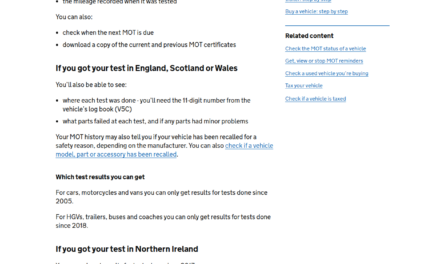
- MOT history and any advisory notes
- dated photos or videos of the fault or warning lights
- a written timeline of every contact with the seller
One underused move is saving the advert immediately. Listings disappear surprisingly fast once there is a dispute. If the car was advertised as "full service history", "faultless", "ULEZ compliant", "one owner", or "recent clutch and cambelt", that wording can become important very quickly.
The dealer says the warranty must handle it. Is that true?
Not necessarily. A warranty is extra. Your statutory rights do not disappear because the dealer points you towards a third-party warranty booklet.
If the car breaches the legal standards for trader sales, the seller cannot simply wash their hands of it by saying you need to claim through warranty cover instead. A warranty may help with the practical repair, but it does not replace your consumer rights.
What to do in the real world, step by step
If your newly bought used car has gone wrong, this is the sensible order:
- stop driving it if the fault could make it unsafe or worsen the damage
- notify the dealer in writing immediately
- decide whether you are rejecting it or giving them the chance to repair
- save the advert, invoice and all messages
- get an independent diagnosis if the dispute turns technical
- contact the finance company as well if the car is financed
- ask the dealer for written confirmation of the next step and timescale
- escalate to The Motor Ombudsman, Citizens Advice or formal legal action if the seller stalls
The biggest aim is to create a clean paper trail early, before memory gets fuzzy and positions harden.
When is it worth pushing hard?
Push hard when the fault is serious, expensive, safety-related, or clearly inconsistent with how the car was sold. That includes things like repeated engine or gearbox warnings, overheating, water ingress, failed electronics, major vibration, hidden accident damage, or a car that cannot be used for its basic purpose reliably.
Be more realistic when the issue is minor cosmetic wear, a small trim rattle, or something obviously in line with the age and price of the vehicle. Consumer law is useful, but it is not magic. A cheap old car does not become a new one because it was bought from a dealer.
The bottom line
If a dealer-supplied used car turns out to be faulty, speed and clarity matter almost as much as the fault itself. The first 30 days is the best chance to reject the car cleanly. After that, the seller usually gets a repair opportunity before you move towards a refund or price reduction.
If you want the strongest outcome, keep everything in writing, save the advert before it vanishes, and be precise about whether you are rejecting the car or allowing a repair. That alone can stop a messy dispute turning into a much worse one.