If you are trying to tax a car before arranging insurance, stop there. In the UK, the usual order is insurance first, then tax, with a valid MOT in place if the car is old enough to need one. Get that order wrong and the DVLA will often block the application.
That catches people out all the time, especially if they have just bought a car, are bringing a SORNed vehicle back onto the road, or think temporary cover somehow does not count. The good news is that the fix is simple once you know the sequence.
The short answer
No, you cannot normally tax a car without insurance in the UK.
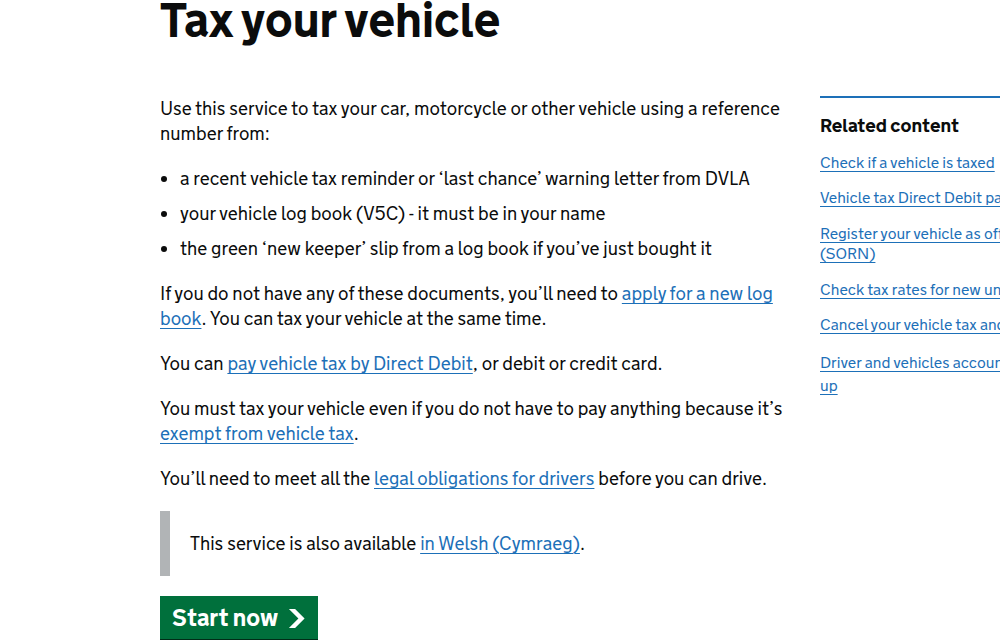
GOV.UK says you must meet the legal obligations for drivers before you can drive, and its vehicle insurance guidance is clear that a vehicle kept or used on the road must be insured unless it has been declared off the road with a SORN. GOV.UK also sets out the buying process as separate steps: insure the vehicle, then tax it.
In practice, that means most drivers need three things lined up before the car is road legal:
- insurance
- vehicle tax
- a valid MOT, if the vehicle is old enough to need one
Why the DVLA blocks people
The confusion usually starts because people think tax is just a payment. It is not. The DVLA checks whether the vehicle can legally be on the road. If the car is uninsured, that process will usually fail.
GOV.UK also says you do not need to insure a vehicle that is kept off the road and declared SORN. That is the exception people remember. The catch is that the exception only applies while the vehicle stays off the road. The moment you want to tax it and use it again, insurance comes back into the picture.
askMID, the public insurance database service, makes the same wider point in plain English: if a vehicle is registered in your name and not declared off road, it must be insured at all times.
The right order if you have just bought a car
If you have bought a used car privately or from a dealer, do it in this order:
- Arrange insurance so the policy is live for that car.
- Check the MOT status if the car needs one. GOV.UK says an MOT must be valid when the tax starts.
- Tax the car using the green new keeper slip, V5C, or V11 reminder reference.
- Drive it only once all of the above are sorted.
This matters because tax does not transfer from the previous keeper. A car can look taxed when you view it on a forecourt or outside someone’s house, but once ownership changes you need your own tax in place. If you need a fuller step by step guide, Motoring Mojo already has one on how to tax a car before you drive it home.
The right order if the car is on SORN
Bringing a SORNed car back onto the road is where many people make the same mistake. They try to tax it first because SORN ends when the car is taxed again. That part is true, but it still needs insurance first.
The practical sequence is:
- arrange insurance
- make sure the MOT is valid if required
- tax the car
- the SORN then ends automatically
If the car is still untaxed and uninsured, keep it off the public road. GOV.UK is clear that a SORNed vehicle can only be driven on a public road to or from a pre-booked MOT or other testing appointment.
For the separate off-road rules, see our guide on how to SORN a car properly and when the tax refund should arrive.
Does temporary insurance count?
Usually, yes. The key point is not whether the policy lasts a year. It is whether the vehicle is genuinely insured and the cover is active.
That is why temporary insurers such as Dayinsure position short-term cover as a way to sort out the insurance step before taxing a car. This can be useful if you are collecting a newly bought car, moving a vehicle after a period off the road, or only need cover for a short window before switching to an annual policy.
What matters is that the policy must be valid for that specific vehicle and active when you tax it. If you have only just bought cover and the DVLA still refuses the application, it may be worth waiting a short time and trying again, or using the Post Office route if you have the required documents.
What about the MOT?
Insurance alone is not enough if the car also needs an MOT. On the GOV.UK vehicle tax page, the Post Office guidance says you might need to show evidence of an MOT and that it must be valid when the tax starts.
For most cars over three years old, that means you should assume the MOT needs to be current before the tax can go through cleanly. If the car has failed its MOT or expired, book the test first.
There is one narrow legal carve-out worth remembering: a SORNed or untaxed car can usually be driven to or from a pre-booked MOT or other testing appointment. That is not a loophole for general use, and it does not remove the need for insurance.
Common situations that catch drivers out
“The car is insured, but not by me”
That can still work for tax purposes if the vehicle itself is insured, but do not assume it solves every problem. You still need to be legally insured to drive it yourself, and ownership, keeper details and policyholder details can create complications. We covered that in more detail in our piece on insuring a car when you are not the registered keeper.
“I have just paid for insurance but the system will not let me tax it”
This is one of the most common frustrations. Insurer data and DVLA checks are not always perfectly instantaneous in the real world. First, make sure the policy start time is actually live. Then try again shortly afterwards. If needed, use the phone or Post Office route with the right documents.
“It is off the road, so I do not need insurance”
Only if it is properly SORNed and kept off the public road. If it is not SORNed, continuous insurance enforcement still applies.
“I can tax it now and sort insurance later”
That is the exact mistake to avoid. The safer assumption is simple: insurance first, then tax.
A quick checklist before you try again
Before you start the DVLA tax process, make sure you have:
- an active insurance policy for the vehicle
- a valid MOT if the car needs one
- your V5C, green new keeper slip, or V11 reminder
- a payment method or Direct Debit details
- somewhere legal to keep the car off road if any of the above is still missing
The bottom line
If you are asking, “can you tax a car without insurance?”, the practical answer for UK drivers is no. Sort the insurance first, check the MOT if one is required, then tax the vehicle.
That order is the one that saves time, avoids DVLA rejection messages and keeps you on the right side of the law.