If you are buying a used car in the UK, the "last V5C issue date" is one of the quickest sense checks you can run before you get carried away by a tidy advert and a polished sales pitch.
It is not a magic fraud detector. A recent date does not automatically mean the seller is hiding something, and an older date does not prove everything is fine. But it is one of those small details that can tell you when to slow down, ask better questions and look harder at the rest of the paperwork.
For used car buyers, that matters. The free DVLA vehicle information service shows the last log book issue date in seconds, and GOV.UK specifically puts that check inside its official used-car buying steps. If you are not looking at it, you are skipping an easy clue.
What the last V5C issue date actually means
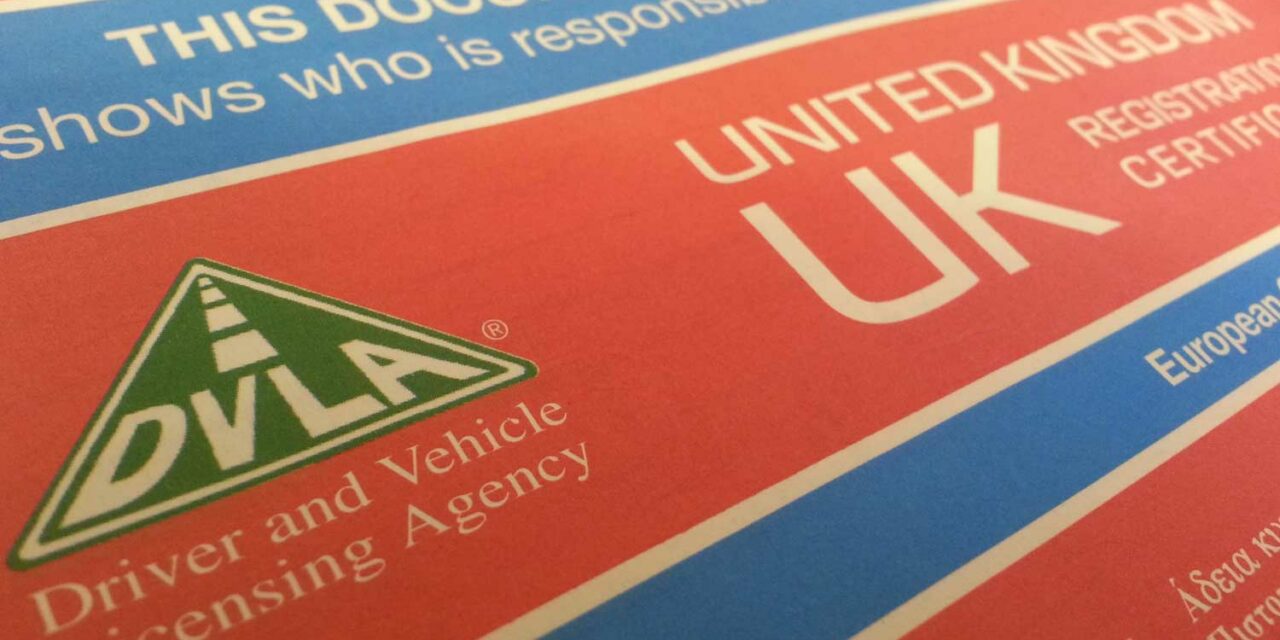
The V5C is the vehicle log book, sometimes still called the registration document. The last V5C issue date is the date DVLA last issued that log book for the car.
You can see that date in the DVLA online vehicle information service, alongside basics such as the tax status, MOT expiry date, fuel type, engine size and first registration date.
That last V5C issue date can change for perfectly normal reasons, including:
- a change of keeper after a sale
- a replacement log book because the old one was lost or damaged
- a keeper updating the address on the V5C
- a private number plate being taken off the vehicle, which triggers a new V5C
- other administrative changes that result in DVLA issuing fresh paperwork
So the date itself is not the story. The important bit is whether the date makes sense when you compare it with the seller’s explanation and the rest of the car’s history.
Why this one detail matters to used car buyers
Used car trouble often starts with a story that sounds neat until one small piece of paperwork does not fit.
A seller says they have owned the car for years and know everything about it, but the last V5C issue date is only a few weeks old. That may be harmless. They may simply have changed address or replaced a missing log book. But it is still worth asking why, because a recent document can also mean they have not owned the car for as long as they imply, or that the paperwork trail is thinner than the advert suggests.
This is why the check is useful. It does not give you a yes or no answer. It tells you when a car needs a longer conversation.
When a recent V5C issue date is completely normal
There are several common reasons a good car with an honest seller will show a recent last V5C issue date.
1. The seller replaced a lost or damaged log book
GOV.UK says registered keepers can apply for a replacement V5C if the original has gone missing or has been damaged. The service usually costs £25, and the replacement normally arrives within 5 to 7 working days.
That means a recent issue date can simply reflect a missing document being replaced, not a hidden problem with the car itself.
2. The keeper changed address
Drivers are supposed to update the address on the V5C when they move. GOV.UK says that change is usually free, and warns that failing to update the log book can lead to a fine.
If someone moved house recently, a fresh V5C issue date is exactly what you would expect.
3. A private plate has just been removed
This catches buyers out more often than it should. GOV.UK says that when a private number is taken off a vehicle, DVLA usually reassigns the original registration and sends out a new V5C.
So if you are buying a car that has recently gone back to its age-related plate after wearing a cherished reg, a recent V5C issue date can be completely routine.
4. The car has only just changed hands
A very recent V5C issue date may simply mean the seller bought the car not long ago.
That is not automatically bad news, but it is worth understanding. Why are they moving it on so quickly? Did they buy it to keep and change their mind, or are they flipping it after a short ownership period? The answer may be innocent, but you want the answer before you pay.
When the date should make you more cautious
A recent issue date becomes more interesting when it does not line up with the rest of the story.
Be more careful if any of these apply:
- the seller claims long ownership, but the V5C was only issued recently and they cannot explain why
- the advert says "full history, cherished family car" but the paperwork feels patchy
- the car has had a private plate removed and the seller is vague about when or why
- the seller says they are selling on behalf of someone else and the log book story gets messy
- the V5C date is recent, the MOT history has gaps or odd mileage patterns, and the service record is thin
None of that proves wrongdoing. It does mean you should stop treating the car as a simple, straightforward buy.
The questions worth asking there and then
If the last V5C issue date is more recent than you expected, ask direct questions and then stay quiet long enough to hear the full answer.
Useful questions include:
- Why was a new V5C issued?
- How long have you actually owned the car?
- Was the log book replaced because it was lost, damaged or updated after a move?
- Has the car recently had a private plate taken off it?
- Do you have invoices, old MOT paperwork or service records that back up the ownership story?
- When did the seller buy the car and why are they selling it now?
An honest private seller will usually have a simple explanation. What you are listening for is hesitation, contradictions or a story that keeps changing.
How to use the check properly
Do not treat the last V5C issue date as a standalone verdict. Use it as part of a quick paperwork routine.
Start with the free DVLA check
Use the GOV.UK vehicle information service and look at:
- last V5C issue date
- MOT expiry date
- tax status
- first registration date
- year of manufacture
- fuel type and engine size
If any of those details do not match the advert, ask why before you travel or before you hand over a deposit.
Then compare it with the physical V5C
If you view the car, check the log book itself. Make sure the registration, make, model and core details line up with the vehicle and the online DVLA record.
You are not trying to play detective with one field. You are checking whether the paperwork tells one consistent story.
Read the MOT history alongside it
A recent V5C issue date is much easier to understand when the MOT history looks stable and the seller has sensible supporting paperwork.
If the MOT record is clean and consistent, the service history stacks up and the seller can explain the new V5C, you may have nothing to worry about.
If the V5C date is recent and the MOT history is erratic, repeated advisories have been ignored or the mileage pattern looks odd, walk more slowly.
What this check will not tell you
This is the bit many buyers get wrong.
The last V5C issue date does not tell you:
- whether the car has outstanding finance
- whether it has been written off before
- whether it has a theft marker
- whether the mechanical condition is good
- whether there is an outstanding safety recall
So do not overrate it. It is a clue, not a clearance certificate.
For a pricier used car, you still want the wider basics covered: MOT history, recall check, service history and, where the risk justifies it, a proper vehicle history check and an inspection.
A good rule for buyers
Here is the practical rule.
If the last V5C issue date is recent and the seller has a clear explanation plus paperwork that supports it, keep going.
If the date is recent and the explanation is vague, defensive or inconsistent, assume the car is now a higher-effort buy. That does not mean you must walk away, but it does mean the burden is on the seller to make the story add up.
That small shift in mindset can save you from buying a car with a half-told history.
The bottom line
Checking the last V5C issue date takes less than a minute, costs nothing and can tell you when a used car deserves more scrutiny.
On its own, it proves very little. In context, it is one of the easiest ways to catch a story that does not quite fit.
Before you trust the advert, trust the paperwork first.