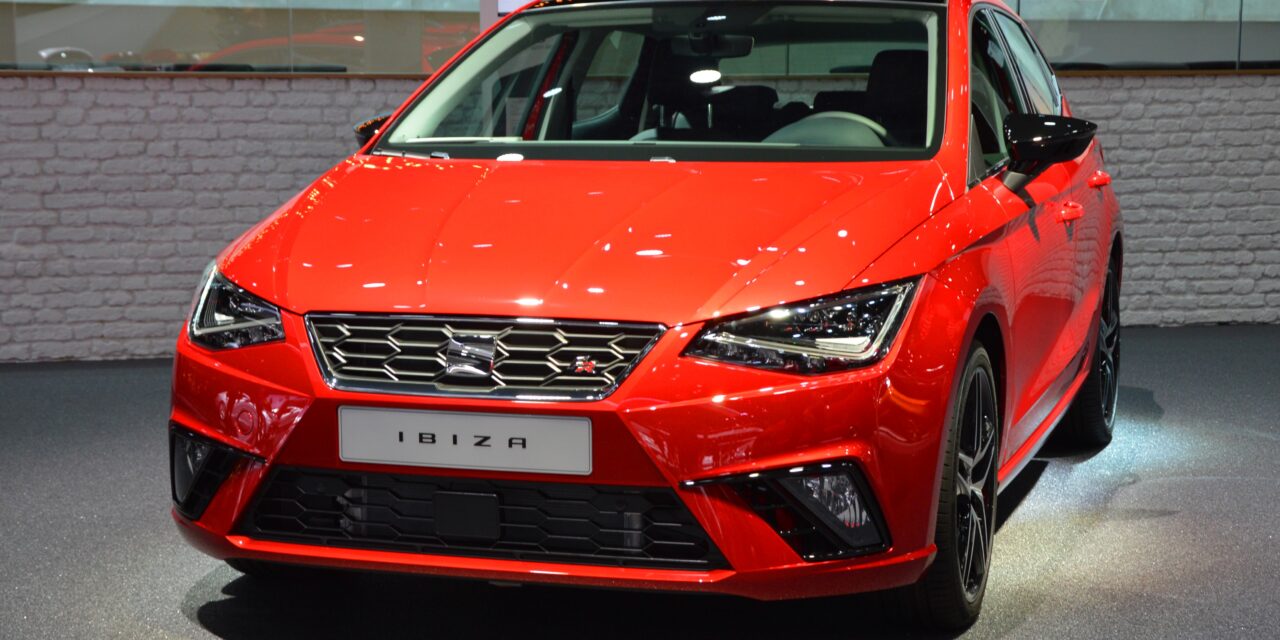
If your SEAT Ibiza horn is not working before an MOT, sort it before test day. Under the UK MOT rules, an audible warning that does not work is a major defect, so the car will fail until the fault is fixed.
The good news is that many Ibiza horn faults are fairly straightforward. A blown fuse, a bad connection or a failed horn unit can all stop the horn from sounding. The more awkward faults usually involve the steering wheel switch, clock spring or wiring, and those are the jobs where a garage is normally the smarter call.
Quick answer
A SEAT Ibiza with a non-working horn will usually fail its MOT. The tester only needs to confirm that the horn works properly and gives a suitable continuous warning. Start with the simple checks first: fuse, connector condition, horn unit and whether power is reaching the horn. If the fault points back to the steering wheel or airbag area, book it into a garage rather than guessing.
Is a broken horn an MOT fail on a SEAT Ibiza?
Yes. The GOV.UK MOT inspection manual for private passenger and light commercial vehicles says an audible warning that does not work is a major defect.
For most SEAT Ibiza models, that means the car will fail if:
- pressing the horn does nothing
- the sound is weak or unreliable
- the warning is not a proper continuous or uniform tone
- the horn control itself is insecure or obviously faulty
That matters because a horn is treated as a basic safety item. It does not have to sound pretty, but it does have to work properly.
What the MOT tester actually checks
The horn check is simple and quick. The tester will normally press the horn control and make sure:
- the horn works
- it is loud enough to warn other road users
- the tone is continuous or uniform
- it is not an unsuitable siren, bell, gong or novelty multi-tone warning
If your horn only works when the steering wheel is turned, or only sounds after several presses, that is a sign to fix it before the test rather than hope for the best.
Common SEAT Ibiza horn faults
On an Ibiza, the horn problem is usually electrical rather than mechanical. These are the usual suspects:
| Fault | Typical symptom | Likely fix |
|---|---|---|
| Blown fuse | Horn stopped suddenly and stays dead | Replace fuse and check for an underlying short |
| Failed horn unit | Power reaches the horn but no sound | Replace horn |
| Corroded connector or bad earth | Intermittent, weak or crackly horn | Clean or repair connector/earth |
| Faulty relay or control circuit | No horn despite fuse being fine | Test relay/control circuit and replace if needed |
| Steering wheel switch fault | Horn only works if pressed very hard or in one spot | Repair switch or steering wheel contact |
| Clock spring fault | Horn fault alongside steering wheel button or warning-light issues | Diagnose and replace clock spring if required |
Some Ibiza generations and trims differ in fuse layout, so do not rely on a random diagram online. Check the handbook or fuse-card for your exact car before swapping anything.
What to check first before booking a garage
If you are comfortable doing basic checks, work through the easy items in this order.
1. Check the fuse
A blown fuse is the quickest win. If you replace it and the horn works again, keep an ear on it. If the new fuse blows straight away, there is likely a short circuit or a failing horn unit behind it.
2. Listen for any click when you press the horn
If you hear a relay click but the horn stays silent, that often points to the horn unit itself, its connector or the wiring near the front of the car.
3. Inspect the horn and connector
The horn sits low down at the front on many cars, so it lives in spray, dirt and road salt. Look for:
- green or white corrosion on the connector
- broken wires
- obvious water damage
- a loose mounting point or poor earth
4. Test whether power is reaching the horn
If you have a multimeter or test light, check whether voltage reaches the horn when someone presses the horn button. If power is present but there is no sound, the horn unit is a strong suspect.
5. Notice any other steering wheel-related faults
If the horn fault comes with steering wheel button problems, an airbag warning light or odd intermittent behaviour, the fault may be in the clock spring or steering wheel switch assembly. That is usually the point to stop poking around and let a garage diagnose it properly.
DIY checks vs garage jobs
Some horn faults are realistic DIY fixes. Others are not worth the risk.
Usually reasonable DIY jobs
- checking and replacing a fuse
- inspecting visible wiring and connectors
- replacing an accessible horn unit
- cleaning a corroded connector
Better left to a garage
- clock spring diagnosis
- steering wheel switch faults
- airbag-related work
- tracing deeper wiring faults
- body control module or relay-circuit diagnosis
A garage will usually get to the answer faster if the problem is beyond the obvious basics. That matters when the MOT booking is already close.
SEAT Ibiza horn repair costs in the UK
Repair cost depends on whether the problem is the horn itself or the control side of the circuit.
Typical rough UK costs are:
- Fuse: usually just a few pounds
- Horn unit: often around £15 to £40 for the part, plus labour
- Horn replacement fitted: often roughly £85 to £178 depending on model, labour rate and location
- Clock spring or steering wheel electrical fault: usually more expensive because diagnosis and labour are higher
If a garage quotes for diagnostic time first, that is normal. A dead horn can come from several places, and guessing gets expensive fast.
What happens if the horn fails the MOT?
If your Ibiza fails only on the horn and you repair it quickly, you may not need a full fresh test. GOV.UK says some failed items can qualify for a partial retest.
For a horn fault, that usually means:
- return it to the same test centre by the end of the next working day and the partial retest is often free
- return it within 10 working days and a partial retest may still apply, though a fee can be charged
You can check the official retest rules here: GOV.UK MOT retests.
When to stop and book a garage
Book it in if:
- the fuse is fine but the horn is still dead
- the replacement fuse blows again
- the horn only works intermittently
- you suspect a clock spring or steering wheel fault
- the car also has an airbag light or steering wheel button issues
- your MOT is close and you do not want to lose time chasing the wrong part
That last point matters. A £100-ish horn repair is annoying, but it is usually cheaper than repeated failed tests, wasted time and throwing parts at the wrong fault.
Other simple MOT faults worth checking
If you are already trying to avoid a retest, it is worth checking a few other easy fail points at the same time. On another Ibiza-specific issue, we have already covered SEAT Ibiza number plate light MOT fail: quick checks before test day. It is also worth knowing the rules around missing wheel nut MOT rules because that is another fault drivers sometimes discover too late.
FAQ
Can I drive a SEAT Ibiza with a broken horn?
You can still physically drive the car, but it is not something to ignore. The horn is a basic safety item, and if it is not working you should repair it as soon as possible.
Will an intermittent horn pass an MOT?
Do not count on it. If it fails while the tester checks it, the car fails. Intermittent faults are exactly the kind that catch people out on test day.
Is the horn fuse the same on every SEAT Ibiza?
No. Fuse positions can vary by year, engine and trim, so use the handbook or fuse-card for your exact car.
How long does a horn repair usually take?
A simple fuse or horn-unit replacement can be quick. A wiring, steering wheel or clock spring fault can take longer because diagnosis matters more than part-swapping.
Final word
If your SEAT Ibiza horn is not working, treat it as an MOT job rather than a minor annoyance. Start with the simple checks, do not ignore intermittent behaviour, and get a garage involved quickly if the fault points toward the steering wheel or deeper wiring. Fix it before test day and you avoid one of the more frustrating easy MOT fails.