
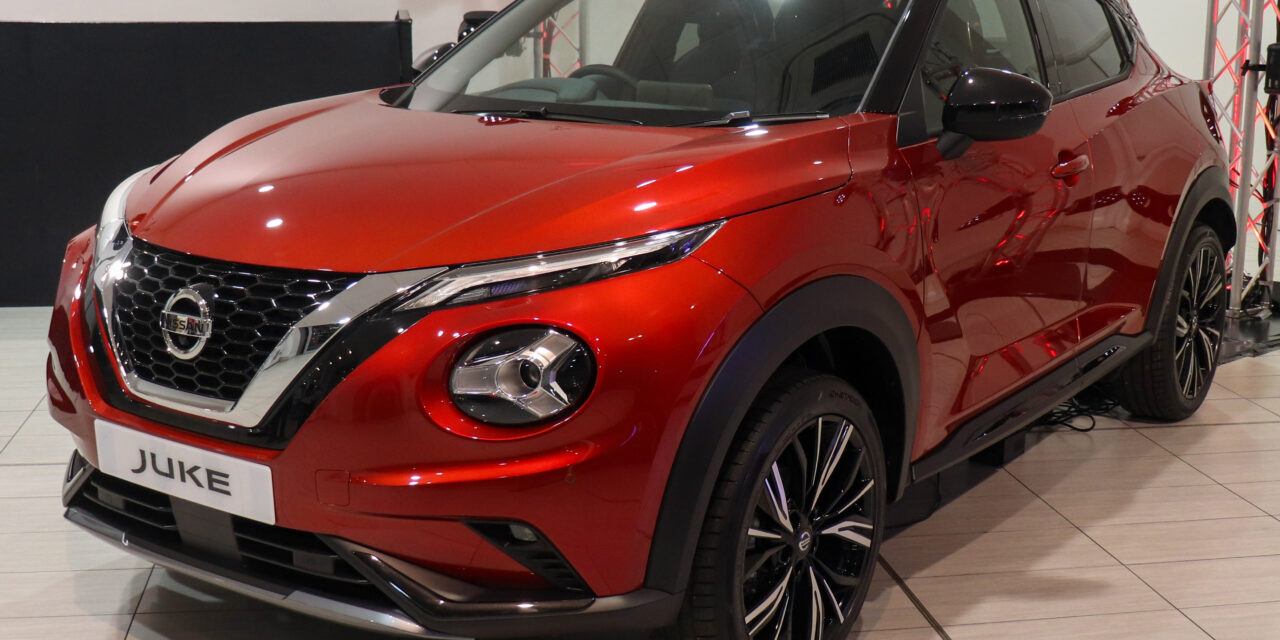
If your Nissan Juke has brake pipe corrosion, it can fail its MOT, but a rusty-looking pipe is not an automatic fail on its own. The key question is whether the corrosion is serious enough to weaken the pipe, whether there is any leak, and whether the line is still properly supported and safely repaired.
Quick answer
A Nissan Juke can fail its MOT for brake pipe corrosion if a rigid brake pipe is excessively corroded, damaged, insecure, or leaking. Light surface rust may only lead to an advisory, but heavy pitting, flaking rust, dampness around a union, or poor previous repairs can turn it into a fail.
If the pipe has already lost strength, the proper fix is usually replacement of the affected section rather than a cosmetic clean-up.
Why this comes up on Nissan Jukes
This search usually appears after one of three things happens:
- an MOT advisory mentions brake pipe corrosion
- a garage spots rust while the car is on a ramp
- a buyer checks the MOT history of a used Juke and sees brake-related notes
The Nissan Juke is not unique here. Like many UK-used crossovers, it can develop corrosion on exposed underbody brake lines as the years pass, especially where water, road salt and grime collect around clips and brackets.
What the MOT tester is actually checking
Under the DVSA MOT inspection manual, a rigid brake pipe can be rejected if it is excessively corroded or damaged. Testers may clean off surface dirt to inspect the pipe properly, and the guidance says corrosion or damage that reduces wall thickness by around one third is enough for rejection. A hydraulic brake pipe or connection that is leaking is treated more seriously again.
In plain English, that means the tester is not marking you down just because the pipe looks old. They are checking whether it still looks safe enough to handle braking pressure.
Surface rust versus excessive corrosion
A light rusty stain on the protective coating is different from deep corrosion in the metal itself. Trouble starts when you see:
- heavy flaking rust
- obvious pitting
- swelling under the coating
- sections that look damp with brake fluid
- corrosion concentrated around unions or clips
A dry pipe with light cosmetic rust might survive with an advisory. A pipe that looks thinned, rough or wet needs attention quickly.
Leaks are a bigger problem
If there is brake fluid seepage around the pipe or a union, that is far more serious than surface corrosion. Once fluid is escaping, you are dealing with a safety issue as well as a likely MOT failure.
Previous repairs can also fail
The MOT manual also warns against unsuitable repairs to hydraulic brake lines. If someone has carried out a rough patch-up using the wrong type of connector, that can be enough for a fail even if the rest of the line looks acceptable.
Where to inspect on a Nissan Juke before the MOT
Without pretending every Juke corrodes in exactly the same places, these are the sensible areas to check:
Underbody brake line runs
Look along the rigid pipes underneath the car, especially on older vehicles that have seen several winters. Any section exposed to road spray can corrode over time.
Around clips and brackets
Brake pipes often rust where the protective coating gets trapped against a clip or bracket. Dirt and moisture sit there for longer, and the corrosion can be worse than it first appears.
Around unions and joins
The straight pipe may look passable while the union looks crusty or damp. Always check both.
Rear sections of the car
Rear underbody sections can collect grime and stay wet for longer, so they are worth a proper look on a Juke that lives outside or covers lots of winter miles.
Can you still pass with brake pipe corrosion?
Yes, sometimes. A Nissan Juke with only light surface corrosion may pass with an advisory rather than a fail. But if the tester decides the corrosion is excessive, the pipe is insecure, or there is any leak, it is fail territory.
That is why an early inspection matters. Catching a pipe while it is still only lightly corroded is very different from finding out on test day that it is already weakened.
What is the right fix?
That depends on how far the corrosion has gone.
If it is only light surface corrosion
A garage may be able to clean the area, confirm the pipe is still structurally sound, and apply protection. That is the best-case outcome.
If the pipe is weakened
Once corrosion is deep or widespread, replacement is the sensible option. That may mean replacing a short affected section, or a longer run if several areas are tired.
If a union is seized or leaking
Expect a proper repair rather than a quick tidy-up. Corroded unions and damp joints usually mean the job is beyond a simple clean and protect.
Brake hydraulics are not a part of the car to bodge. If a repair looks questionable, it probably is.
Is it safe to drive with corroded brake pipes?
Be careful here. A mild advisory is not the same thing as imminent brake failure, but once corrosion becomes heavy or fluid starts escaping, you should stop treating it as a routine maintenance issue.
Get the car checked urgently if:
- the brake pedal feels soft or inconsistent
- you can see fluid dampness around the line
- the rust is flaking rather than just staining the surface
- a garage has already warned you the pipe is close to failing
If you are not sure what you are looking at, it is smarter to pay for an inspection than to gamble on the MOT.
Buying a used Nissan Juke with a brake pipe advisory
A brake pipe advisory does not automatically mean you should walk away from the car, but it does mean you should ask better questions.
Check:
- whether the advisory has appeared more than once in the MOT history
- whether there are invoices showing proper brake pipe work
- whether the seller can show the affected area on a lift
- whether nearby pipes, unions and clips were checked at the same time
Repeated advisories with no evidence of repair are more worrying than one older note followed by a clean MOT.
Simple questions to ask your garage
Before you approve work, ask:
- Is this surface corrosion or has the pipe already weakened?
- Is it one bad section or should the whole run be inspected?
- Are the unions and clips still sound?
- Will the repair use proper brake pipe materials and suitable connectors?
- Should any nearby flexible hoses also be checked?
A decent garage should be able to answer those clearly and show you the problem area.
Helpful guides
If you are dealing with a rusty underside or trying to decode another MOT warning, these guides may help:
- Mercedes A-Class brake pipe corrosion fix
- Land Rover Discovery chassis rust MOT welding
- Anti-lock brakes: how they work
- Essential used car maintenance tips
Final verdict
Nissan Juke brake pipe corrosion can definitely become an MOT problem, but the fail point is about severity rather than the mere presence of rust. Light surface corrosion may only earn an advisory. Heavy pitting, insecure pipe runs, leaking joints and poor previous repairs are where the real danger starts.
If your Juke has already been flagged for brake pipe corrosion, the best move is to get it inspected before test day and fix it properly. That is safer, less stressful, and usually cheaper than waiting for a small advisory to become a full MOT failure.


Trackbacks/Pingbacks