
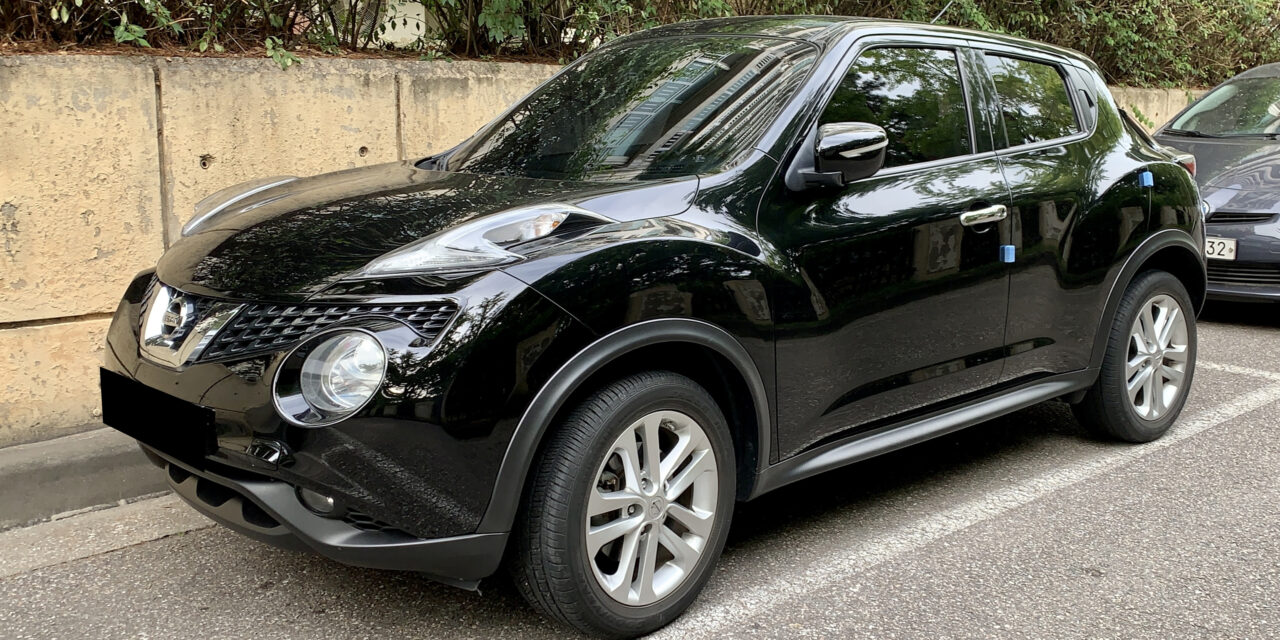
Used Nissan Juke problems to look for mostly depend on which version you are buying. Older first-generation cars can bite with CVT automatic gearbox trouble, 1.2 DIG-T engine issues and diesel DPF headaches, while newer second-generation cars need careful recall checks and a close look at electronics, battery health and general wear.
Quick answer
If you want a used Nissan Juke in the UK, pay closest attention to the gearbox, engine service history, oil level, warning lights, clutch action, suspension knocks and whether all recall work has been completed. The riskiest older cars tend to be 1.6 petrol CVT automatics and some 1.2 DIG-T petrols with poor service history. Newer Jukes are generally a much better car, but you should still check for recalls, electrical glitches and signs of hard family use.
Why this matters with the Nissan Juke
The Juke has always been popular in the UK, which is good news for used buyers because there is plenty of choice. The flip side is that there is a huge spread between a well-kept example and a car that has been run on a budget.
That matters even more with the Juke because some faults are just annoying, such as tired trim or worn infotainment buttons, while others can become very expensive if you miss them before buying. A cheap Juke only stays cheap if the engine, gearbox and maintenance record stack up.
Which Nissan Juke generations are in the used market?
First-generation Nissan Juke, 2010 to 2019
This is the shape most people picture when they think of the Juke. It sold in big numbers and came with a wide range of petrol and diesel engines, plus manual and automatic gearboxes.
It is also the generation where most of the used-buying horror stories live. That does not mean every older Juke is a bad buy, but it does mean you need to be selective.
Second-generation Nissan Juke, 2019 onwards
The later Juke is roomier, feels more modern inside and is generally easier to recommend as an everyday small SUV. It is the stronger choice if your budget stretches far enough.
Even so, it is not a car to buy blind. Reliability survey results have not been especially flattering, and recall history still matters.
The main used Nissan Juke problems to look for
1. CVT automatic gearbox trouble on older cars
If you are looking at a first-generation Juke with the CVT automatic, be especially careful. This is one of the biggest red-flag areas on older used cars.
Common warning signs include:
- juddering when moving off
- hesitation selecting drive or reverse
- flaring revs without matching acceleration
- whining noises from the transmission
- a car that feels slow to respond when warm
A short test drive is not enough. Drive the car from cold if possible, include stop-start traffic, and make sure the gearbox behaves properly both when parking and when pulling away uphill. If the seller says a hesitation or shudder is normal, walk away.
A failed CVT can turn a cheap used Juke into an uneconomic repair very quickly. If you want the lower-risk route in an older Juke, a manual gearbox is usually the safer bet.
2. 1.2 DIG-T petrol engine issues
The 1.2 DIG-T engine deserves a cautious approach. On paper it looks like a sensible small turbo petrol, but used buyers should watch closely for oil consumption, timing chain noise and poor maintenance.
Things to check include:
- rattling on cold start
- low oil level before the test drive
- evidence of frequent top-ups rather than proper servicing
- engine warning lights or misfire symptoms
- invoices showing engine or timing work
If the chain rattles, the idle is rough or the seller cannot show convincing service history, treat that as a serious warning. This is not the engine to buy on optimism alone.
3. Diesel DPF problems on town-driven cars
The 1.5 dCi can make sense for drivers who do regular motorway miles, but it is less convincing if the car has spent most of its life on short urban journeys.
Ask how the car has been used. If it has mainly done school runs, local errands and low-speed commuting, the diesel particulate filter can become a weak point.
Watch for:
- warning lights on the dash
- sluggish performance
- frequent regeneration behaviour
- evidence of repeated DPF work in the history
- smoke or reluctance under acceleration
For many UK buyers, especially those covering shorter mixed journeys, a petrol Juke is the easier ownership choice.
4. Clutch wear and tired manuals
Manual Jukes are usually the safer gearbox option, but that does not mean they are immune from trouble. Some cars develop heavy clutch action, high bite points or slip under load.
On the test drive, try a hill start and accelerate firmly in a higher gear. If the revs rise faster than the road speed, budget for clutch work. Also pay attention to any vibration through the pedal or obvious drivetrain shunt.
5. Suspension knocks, tyre wear and alignment issues
The Juke is not known for the plushest ride, so some firmness is normal. Knocks, clonks and uneven tyre wear are not.
Before buying, check for:
- knocking over broken roads or speed humps
- uneven front tyre wear
- wheels scuffed badly enough to suggest repeated kerb strikes
- steering that pulls to one side
- vague straight-line tracking
These issues can point to worn suspension parts, poor alignment or neglect. If you want a useful background read, our guide on wheel alignment vs tracking explains what to look for and why tyre wear matters.
6. Brake pipe and underbody corrosion on older examples
As first-generation cars age, corrosion matters more. This is especially true if the car has lived near the coast or spent years doing short runs with little underside cleaning.
Look underneath for flaky metal, crusty brake pipes and a tired rear underbody. If an MOT history shows repeated advisories for corrosion, brake pipes or suspension wear, do not ignore it.
We have already covered one common model-specific rust-related check in our guide to Nissan Juke brake pipe corrosion MOT issues.
7. Electrical and infotainment glitches
Not every Juke has electrical trouble, but it is worth checking every button and screen function properly before you buy.
Test:
- touchscreen response
- reversing camera if fitted
- Bluetooth pairing
- steering wheel controls
- electric windows and mirrors
- climate control and heated seats where fitted
- every warning light on ignition and after start-up
Intermittent electrical faults are easy for a seller to dismiss and annoying for a buyer to live with.
8. Recall work on newer Jukes
A second-generation Juke may still be a good buy, but recall history matters. UK recall notices have covered issues including rear seat latch concerns, a driver airbag issue, hybrid control software, a right-hand rear door weld issue, VIN-related telematics/display problems and a front seat belt check on some later cars.
That does not mean you should avoid every newer Juke. It means you should ask the seller for proof that recall work has been completed and cross-check the car with a Nissan dealer or the government recall service.
What to inspect before buying a used Nissan Juke
Check the MOT history first
Always read the online MOT history before you travel. It can tell you a lot about how the car has been kept.
Repeated advisories for tyres, suspension, brakes, corrosion or lights can show a pattern of delayed maintenance rather than a one-off bill.
Start it from cold
A warm engine can hide chain rattle, smoke, rough idle and weak batteries. If the seller has already warmed the car up before you arrive, ask why.
Check oil level and condition
This is especially important on 1.2 DIG-T petrol cars. Low oil, dirty oil or a seller who shrugs off oil use should make you cautious.
Scan the service history properly
Do not just ask whether the car has service history. Read it. Look for regular oil changes, gearbox servicing where applicable, and evidence that advisories were actually fixed.
Drive it on mixed roads
A proper test drive should include town speeds, a dual carriageway stretch, bumps, parking manoeuvres and at least one restart after the car is warm.
Which used Nissan Juke is the safer buy?
If your budget allows, the later 2019-onwards Juke is usually the easier recommendation because it is more modern, more practical and less tied to the first generation’s biggest powertrain worries.
If you are shopping in the cheaper end of the market, condition matters more than brochure spec. A well-maintained older manual petrol with strong history is usually a better gamble than a tempting automatic with patchy paperwork.
As a rule, I would be most cautious around:
- older 1.6 CVT automatic cars
- 1.2 DIG-T petrols with weak history or cold-start noise
- diesel cars used mainly for short town trips
- any car with unresolved warning lights or a vague story about recall work
Is a used Nissan Juke a sensible buy in the UK?
Yes, it can be, but only if you buy carefully.
The Juke remains appealing because it is easy to drive, easy to park and widely available on the used market. Later cars are much better rounded than the original. But this is not a model where you want to skip the homework.
A good used Juke should have:
- a clean and believable service record
- a smooth gearbox with no odd behaviour
- no unexplained warning lights
- an MOT history without a pattern of neglect
- proof that recall work has been completed where relevant
If you are comparing it with other used SUVs, spend a few minutes on our broader used-car maintenance checklist before you buy. It can help you separate normal age-related wear from the signs of a money pit.
The bottom line
The biggest used Nissan Juke problems to look for are older CVT gearbox trouble, 1.2 DIG-T engine concerns, diesel DPF issues, suspension wear, corrosion on ageing cars and incomplete recall history on newer ones.
That sounds like a long list, but there are still plenty of decent Jukes out there. The key is to avoid buying on looks alone. Prioritise service history, cold-start behaviour, gearbox condition and MOT patterns, and the Juke can still make sense as a used small SUV in the UK.



Trackbacks/Pingbacks