Used Dacia Sandero problems to look for before you buy
Used Dacia Sandero problems to look for are usually less dramatic than buyers fear, because the Sandero is a fairly simple car by modern standards. That said, a cheap used example can still hide clutch wear, suspension knocks, electrical niggles, poor servicing and unresolved recall work. If you want the short version, buy on condition and paperwork, not just price.
Quick answer
If you are buying a used Dacia Sandero in the UK, pay closest attention to the service history, clutch action, suspension noises, warning lights, tyre wear, signs of hard fleet or learner-driver use and whether recall work has been completed. Diesel cars need extra caution if they have mainly done short runs, while older budget examples can suffer from neglected brakes, tyres and underbody wear rather than one single catastrophic fault.
Why the Dacia Sandero deserves a proper used-car check
The Sandero has built its reputation on being cheap to buy, cheap to run and mechanically straightforward. In many ways, that is good news for used buyers. There is less expensive gadgetry to go wrong than in some rivals, parts are usually sensible money and plenty of cars have led uncomplicated lives.
The catch is that many Sanderos were bought because they were the cheapest sensible option in the showroom, and that attitude can carry on into second and third ownership. A car that has been serviced on time and fixed properly can be a very honest used buy. A car that has been run on a shoestring can feel tired surprisingly quickly.
Which used Dacia Sandero generations are on the market?
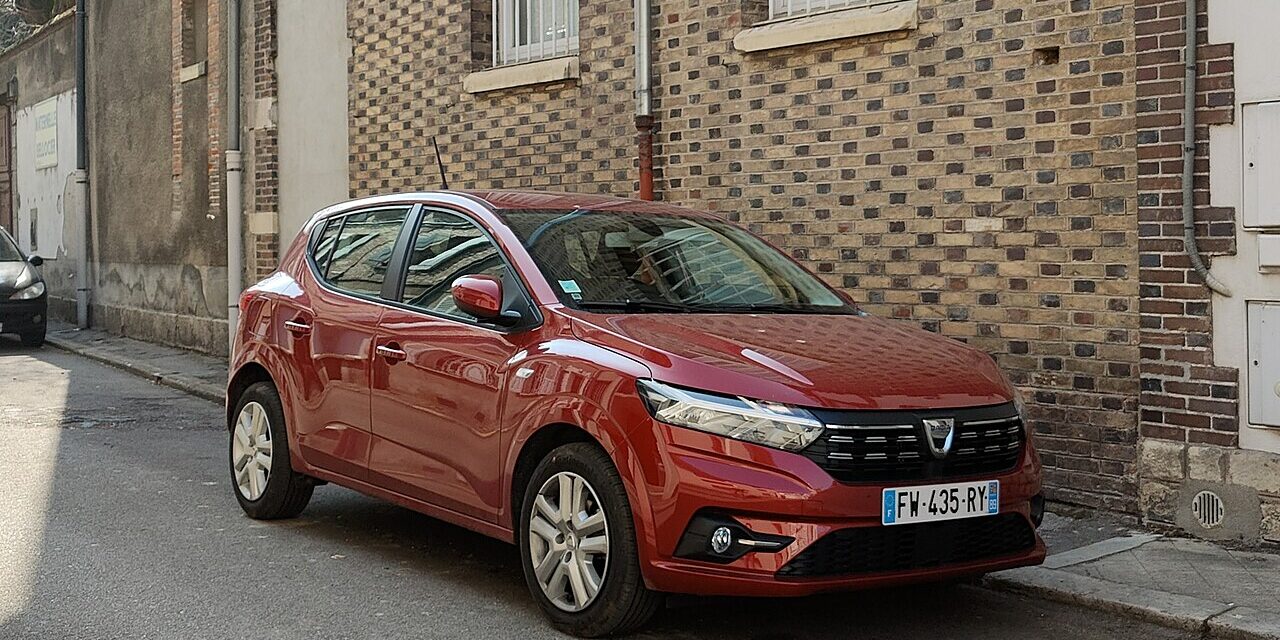
Second-generation Dacia Sandero, 2013 to 2020
This is the version most budget used buyers will be looking at. In the UK it was sold with simple petrol engines, a small turbo petrol and a diesel option in some years. These cars are usually the cheapest way into Sandero ownership, but they are also the most likely to have patchy service history, tired suspension and cosmetic neglect.
Third-generation Dacia Sandero, 2021 onwards
The newer car is a big step on in refinement, safety kit and cabin quality. It is usually the better buy if your budget stretches that far, but you should still check recall history, battery health, warning lights and tyres carefully. Newer does not automatically mean trouble-free.
1. Clutch wear and a hard life in town
One of the first things I would check on any used Sandero is the clutch. Many of these cars spend their lives in stop-start traffic, on driving-school duty or as basic family runabouts. That sort of use can wear a clutch long before the rest of the car feels old.
Warning signs include:
- a high bite point
- a heavy or inconsistent pedal
- shudder when moving away
- slipping under hard acceleration
- difficulty selecting reverse or first gear
On the test drive, try a hill start and then accelerate firmly in a higher gear. If the revs rise faster than the road speed, walk away or budget properly for repair work.
2. Suspension knocks, worn bushes and uneven tyre wear
The Sandero is not a complicated car underneath, but older UK examples can pick up the usual small-car wear in the suspension. Anti-roll-bar links, bushes, dampers and top mounts are all worth listening for, especially if the car has spent years on rough town roads and speed bumps.
Pay attention to:
- knocking from the front end over broken surfaces
- a floaty or bouncy ride
- steering that does not self-centre cleanly
- uneven tyre wear across the front axle
- a steering wheel that sits slightly off-centre
If the tyres are worn oddly, read that as a clue rather than just a tyre bill. It can point to poor alignment, worn suspension parts or previous kerb damage. Our guide to wheel alignment vs tracking explains why this matters.
3. Warning lights and electrical niggles
The Sandero is simpler than many superminis, but used examples can still suffer from the sort of low-grade electrical faults that are annoying to trace. Think weak batteries, temperamental infotainment, faulty window switches, central locking issues or unexplained dashboard warnings.
Before you buy, test everything properly:
- electric windows
- central locking
- heater controls and air conditioning
- infotainment, Bluetooth and USB ports
- exterior lights
- parking sensors or reversing camera if fitted
- stop-start operation on later cars
A weak battery can also trigger odd behaviour on newer cars, so do not dismiss electrical glitches as normal.
4. Petrol engine hesitation, misfires and poor servicing
Most used Sandero buyers will be looking at petrol cars, and that is usually no bad thing. They tend to suit the Sandero well, especially if the car mostly does local journeys. The problem is that cheap cars are often maintained to a price.
Look out for:
- rough cold starts
- uneven idle
- hesitation when accelerating
- an engine management light
- patchy service records
- overdue spark plugs or old oil
A Sandero that starts cleanly from cold, idles smoothly and pulls evenly is usually a better bet than a shinier example with vague paperwork. With these cars, evidence of routine maintenance matters more than fancy trim.
5. Diesel DPF trouble on short-run cars
Diesel Sanderos are less common in the used market, but they need a more careful check. If a diesel has spent most of its life doing short local trips, the diesel particulate filter can become the expensive part of the bargain.
Be cautious if you notice:
- a DPF or engine warning light
- sluggish performance
- frequent regeneration behaviour
- excessive smoke
- poor fuel economy compared with expectations
- repeated invoices for forced regenerations or injector work
For many UK buyers, a petrol Sandero is the safer used choice unless you regularly cover enough mileage to suit a diesel.
6. Brakes, corrosion and signs of long-term penny-pinching
The Sandero is cheap enough that some owners delay maintenance for as long as possible. That means older cars often tell their story through consumables and underbody condition rather than dramatic mechanical failure.
Check carefully for:
- heavily lipped brake discs
- tyres from unknown budget brands on every corner
- repeated MOT advisories for brakes or suspension
- rust on brake pipes or underbody hardware
- poor previous repairs
- damaged wheels and scuffed trim suggesting a hard life
The government MOT history is one of the best tools you have here. One advisory is not a disaster. The same advisory year after year usually means the car has been run cheaply.
7. Interior wear can reveal the car’s true life
Sanderos are built to a price, and that is not a criticism, but it does mean interior wear can show up quite quickly on neglected cars. A worn steering wheel, sagging driver’s seat, shiny gear knob and damaged boot trim can all make a supposedly low-mileage car look suspicious.
Also look for signs of water ingress around the boot floor, door seals and front footwells. Damp carpets, steamed-up windows and a musty smell are all reasons to slow down and inspect further.
8. Recall history matters, especially on newer cars
Recall work is easy to forget when you are looking at an affordable used hatchback, but it still matters. Depending on year and engine, Sandero recall campaigns have covered safety-critical items including fuel-system and electrical issues.
That does not mean the Sandero is a bad used buy. It means you should ask the seller what recall work has been done and verify it where possible. On a newer car, I would be much happier buying an example with clear dealer history and evidence that all campaigns have been completed.
What to inspect before buying a used Dacia Sandero
Check the MOT history before you travel
Do this before you set off, not when you are already standing on the seller’s driveway. A string of advisories for tyres, brakes, suspension or corrosion tells you far more than a freshly cleaned bodywork photo.
Start it from cold
A cold start can reveal rattles, weak batteries, rough idle and warning lights that a warmed-up car may hide. If the car is already hot when you arrive, ask why.
Read the service history properly
Do not settle for "it’s been serviced". Read the invoices. Look for regular oil changes, brake work, tyres from respectable brands and proof that previous MOT advisories were actually fixed.
Inspect the tyres closely
A cheap set of mismatched tyres is often a sign of an owner who has cut corners elsewhere. Tyres also tell you whether alignment and suspension have been ignored.
Drive it on more than one type of road
You want town speeds, a rougher stretch and a faster road if possible. Listen for suspension knocks, feel for clutch slip and make sure the steering stays straight and settled.
Check every basic function
Because the Sandero is a value car, buyers often forgive little faults. You should not. Test the windows, locks, lights, air conditioning, stereo, phone connection and any driver-assistance kit the car has.
Which used Dacia Sandero is the safer buy?
For most UK buyers, a tidy petrol Sandero with strong service history is the safest place to put your money. The simple naturally aspirated petrol cars can make sense if you want minimum complexity, while a well-maintained TCe petrol can also be a good buy if it feels healthy and the paperwork stacks up.
I would be more cautious around:
- neglected older cars bought purely on price
- diesel examples used mainly for short trips
- cars with a heavy clutch or poor gearshift
- examples with repeated MOT advisories
- any Sandero showing warning lights or odd electrical behaviour
- newer cars with no proof of recall completion
Is a used Dacia Sandero a sensible buy in the UK?
Yes, it can be. In fact, a good Sandero is one of the more honest used-car buys if your priorities are low running costs and simple motoring. The key is not to confuse cheap with carefree.
A good used Sandero should have:
- believable service history
- no warning lights
- tidy tyre wear
- a smooth clutch and gear change
- no obvious suspension noise
- an MOT history without a pattern of neglect
- recall work completed where relevant
If you are comparing small used crossovers and hatchbacks at similar money, it is also worth reading our guides to used Nissan Juke problems to look for, used Hyundai Tucson problems to look for and used Vauxhall Mokka problems to look for.
The bottom line
The main used Dacia Sandero problems to look for are clutch wear, suspension knocks, electrical niggles, poor maintenance, diesel DPF trouble on the wrong kind of car and any gaps around recall work. None of that means you should avoid the model. It just means the best Sandero to buy is the one with solid history, straight answers from the seller and a test drive that feels completely normal.
Buy carefully and a used Dacia Sandero can still be one of the cheapest sensible cars to own in the UK.