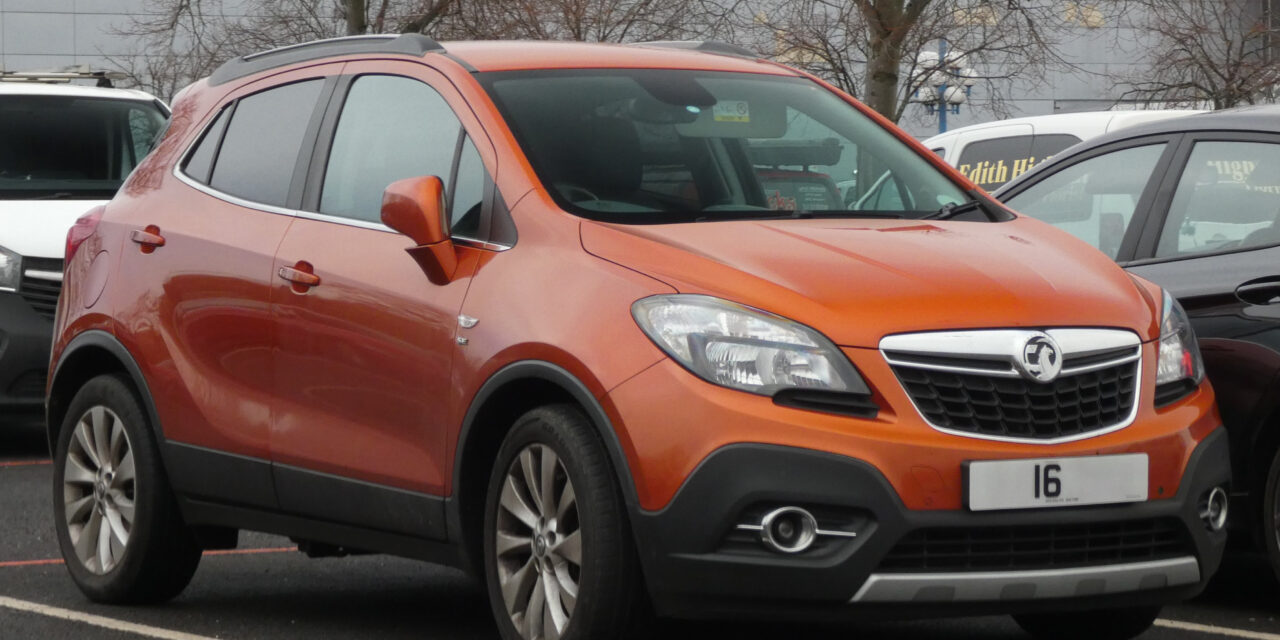
Used Vauxhall Mokka problems to look for mostly depend on which version you are buying. Older first-generation cars can be worthwhile, but they need a close check for diesel DPF trouble, clutch wear, steering or electrical faults and patchy maintenance. Newer second-generation Mokka models are much more modern, but recall history matters and you still want to check tyres, suspension, warning lights and service paperwork carefully.
Quick answer
If you are buying a used Vauxhall Mokka in the UK, pay closest attention to the engine and gearbox combination, the service history, any warning lights, tyre wear, suspension noises and whether all recall work has been completed. Older diesel cars used for short trips can suffer DPF trouble, some older cars have had clutch, steering and electrical complaints, and newer Mokka models have had several official recalls covering items such as wipers, suspension, fuel pipes, steering and software.
Why the Vauxhall Mokka needs a careful used-car check
The Mokka has been a popular small SUV in the UK for years, which is good news for buyers because there is plenty of choice. The problem is that there is a big difference between a tidy, properly maintained example and one that has simply been run cheaply.
That matters because the Mokka can be a sensible family crossover when the history stacks up, but a neglected one can quickly turn into a string of bills. This is especially true if you are looking at older diesel cars, high-mileage first-generation models or a newer car with unresolved recall work.
Which used Vauxhall Mokka generations are on the market?
First-generation Vauxhall Mokka and Mokka X, 2012 to 2019
This is the older shape most used buyers will find at the lower end of the market. Early cars were sold as the Mokka, while the facelifted version became the Mokka X.
These cars are common, affordable and easy to find, but they are also where most of the bigger used-buying risks sit. Condition matters far more than trim level.
Second-generation Vauxhall Mokka, 2021 onwards
The newer Mokka is lighter, sharper-looking and much more modern inside. It is usually the better car to live with day to day, but it is still worth checking carefully because UK recall records show several official campaigns affecting this generation as well.
If your budget stretches to the newer model, it is generally the easier recommendation, but you should not buy one blindly.
Common used Vauxhall Mokka problems to look for
1. Diesel DPF trouble on town-driven cars
This is one of the biggest things to watch on older diesel Mokka models. Owner reports have highlighted diesel particulate filter clogging on cars used mainly for repeated short trips from cold, which is not unusual for a small SUV that spends its life doing school runs and local errands.
Warning signs include:
- DPF or engine warning lights
- sluggish performance
- poor fuel economy
- frequent regeneration behaviour
- hesitation or reluctance when accelerating
- invoices showing repeated forced regenerations
If the car has mostly done short urban trips, a petrol Mokka is usually the safer bet for many UK buyers.
2. Clutch wear and dual-mass flywheel expense
Some owner reports on older Mokka and Mokka X models point to clutch and dual-mass flywheel trouble, especially on 1.4 Turbo cars. A heavy pedal, high bite point, slip under load or vibration through the drivetrain should all make you cautious.
On the test drive, try a hill start and then accelerate firmly in a higher gear. If the revs rise faster than the road speed, budget for clutch work.
A cheap used Mokka stops looking cheap very quickly if it needs a clutch and flywheel soon after purchase.
3. Steering faults and front-end issues
The first-generation Mokka has seen owner complaints about electric power steering failure, while the latest generation has also appeared in official UK recall data for steering-related issues.
That means you should pay close attention to:
- heavy or inconsistent steering feel
- clunks through the front suspension
- a steering wheel that sits off-centre
- the car pulling to one side
- warning lights after start-up
- uneven front tyre wear
If the steering feels odd or the tyres are wearing unevenly, walk away unless the cause is clearly identified and priced in. If you want a useful background read, our guide on wheel alignment vs tracking explains why uneven tyre wear should never be ignored.
4. Electrical gremlins and warning-light stories
Older Mokkas have generated scattered owner complaints covering wiring looms, starting faults, ECU-related diagnoses and random warning lights. That does not mean every Mokka is troublesome, but it does mean you should test every electrical function properly before buying.
Check:
- infotainment screen response
- Bluetooth and radio functions
- parking sensors and reversing camera if fitted
- all electric windows and mirrors
- air conditioning
- heated seats and steering wheel where fitted
- dashboard warning lights on ignition and after start-up
Intermittent electrical faults are easy for a seller to dismiss and annoying for a buyer to trace.
5. Oil use and engine-related worries on older diesels
Older owner reports also mention excessive oil consumption on some 1.7 CDTi cars. Before you test drive an older diesel Mokka, check the oil level yourself and look for signs that the seller has been topping it up rather than maintaining it properly.
Be wary of:
- low oil before the drive
- blue smoke
- rough cold starts
- rattly running
- vague answers about servicing
- missing invoices for recent maintenance
A believable service history matters more than a polished dashboard.
6. Brake, underbody and corrosion concerns on ageing examples
As early Mokka models get older, underbody condition matters more. Look underneath for crusty brake lines, flaky metal, poor previous repairs and signs that the car has spent years in hard winter use.
The online MOT history can tell you a lot here. Repeated advisories for corrosion, brakes, suspension or tyres often show a pattern of delayed maintenance rather than a one-off issue.
7. Wipers, suspension and recall-related issues on newer cars
The newer Mokka has a much shorter age profile, so wear-and-tear concerns are less dramatic, but official UK recall records are worth checking. Recent recall entries for the Mokka include issues involving windscreen wipers at low temperatures, front suspension spring positioning, control arm fixings, fuel-pipe leaks, steering-rack concerns, brake-system components, tyre damage and various software-related faults depending on model year and powertrain.
That does not make the new Mokka a bad used buy. It just means you should ask for proof that all recall work has been completed, then cross-check the registration or VIN through the government recall service or a Vauxhall retailer.
What to inspect before buying a used Vauxhall Mokka
Check the MOT history before you travel
Always read the government MOT history first. It will often tell you whether the car has had repeated advisories for tyres, brakes, suspension, lights or corrosion. A pattern matters more than a single fail.
Start the car from cold
A cold start can reveal smoke, rough running, warning lights and weak batteries that a warmed-up car may hide. If the seller has already heated the car up before you arrive, ask why.
Read the service history properly
Do not settle for being told the car has service history. Read the invoices and stamps. Look for regular oil changes, sensible intervals and evidence that previous advisories were actually fixed.
Inspect the tyres closely
Tyres can tell you a lot about suspension condition, alignment and whether the owner has been cutting corners. Mismatched cheap tyres on all four corners are rarely a great sign.
Drive it on mixed roads
Do not just drive around the block. A proper test drive should include low-speed manoeuvres, rougher roads, a faster stretch and at least one restart once the car is warm.
Check recall completion on newer cars
For 2021-onwards cars especially, do not rely on guesswork. Ask for evidence and verify it.
Which used Vauxhall Mokka is the safer buy?
For many buyers, a well-kept petrol Mokka with clear history is the safer used purchase than an older diesel that has spent its life doing short runs. If you are shopping at the cheaper end of the market, condition and paperwork matter far more than trim.
If your budget stretches further, the second-generation Mokka is usually the more rounded car. It feels newer, looks more modern and is generally easier to recommend, but only if recall work and servicing are up to date.
As a rule, I would be most cautious around:
- older diesel cars with weak history or obvious DPF symptoms
- cars with a heavy clutch or signs of drivetrain slip
- any Mokka with steering warnings or uneven tyre wear
- cars with repeated MOT advisories that were never really sorted
- newer cars where the seller cannot show recall completion
Is a used Vauxhall Mokka a sensible buy in the UK?
Yes, it can be, but it is not a model to buy on looks alone.
A good used Mokka should have:
- a believable service record
- no unexplained warning lights
- smooth steering and tidy tyre wear
- no obvious clutch or gearbox drama
- an MOT history without a pattern of neglect
- recall work completed where relevant
If you are cross-shopping small SUVs, it is also worth reading our guide to used Nissan Juke problems to look for and our piece on used Hyundai Tucson problems to look for to get a feel for how rival used SUVs stack up.
The bottom line
The main used Vauxhall Mokka problems to look for are diesel DPF trouble, clutch wear, steering or electrical faults on older cars, plus recall history and front-end issues on newer ones. None of that means every Mokka is a bad buy. It just means the best ones are the cars with strong paperwork, sensible previous use and a test drive that feels completely drama-free.
Buy carefully and the Mokka can still make sense as a practical used small SUV in the UK.