
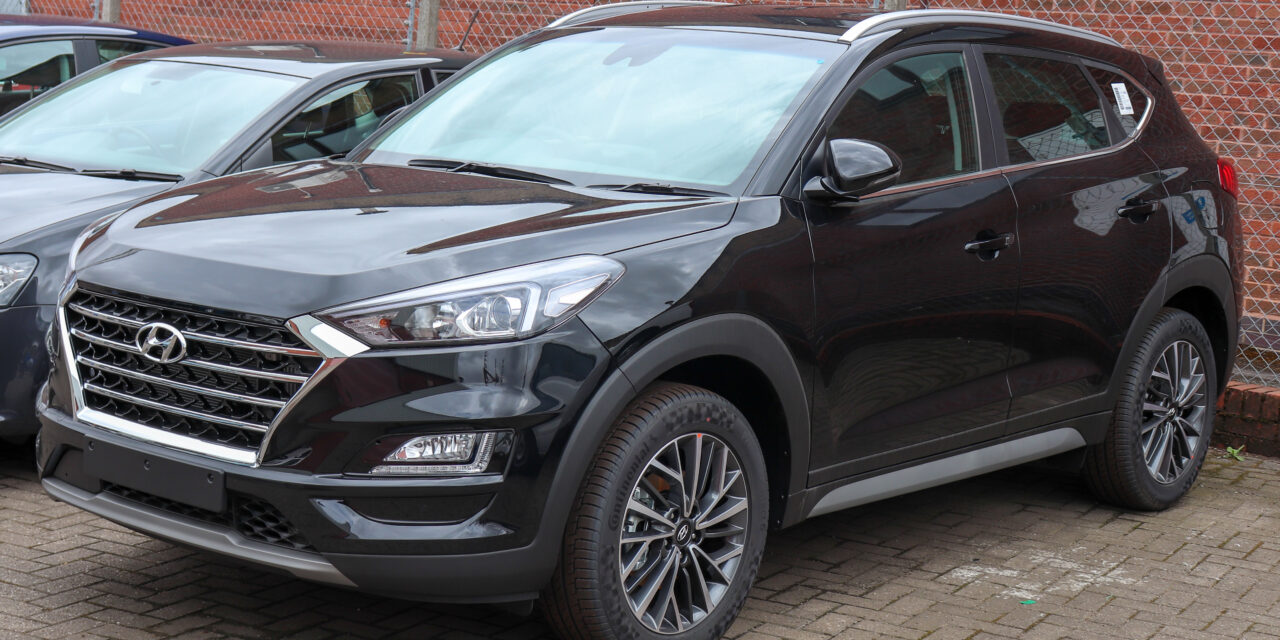
The Hyundai Tucson is exactly the kind of used SUV that tempts sensible buyers. It looks modern, it is spacious enough for family life, it usually comes with a decent equipment list and there are plenty on the market in the UK. That combination is why it deserves a proper buyer’s guide rather than a quick spin round the block and a glance at the paintwork.
A good Tucson can be a strong used buy. A neglected one can land you with gearbox frustration, diesel emissions bills, electrical niggles or recall work that should have been done long ago. The smart move is to treat the Tucson as a history-and-condition purchase first, and a trim-level purchase second.
Quick answer: what are the main used Hyundai Tucson problems to look for?
If you are buying a used Hyundai Tucson in the UK, focus on smooth gearbox behaviour, proper service history, diesel emissions health on CRDi models, clutch judder on some older manual diesels, electrical and infotainment glitches, suspension and tyre wear, and proof that recall work has been completed.
Before buying, start with these checks:
- full service history with invoices, not just a stamped booklet
- smooth cold start and clean pull away with no clutch shudder or gearbox hesitation
- no engine, ABS, airbag or driver-assistance warning lights
- diesel cars that have seen the right kind of mileage, not endless short trips
- even tyre wear across the axle and no knocking from the suspension over poor roads
- working infotainment, reversing camera, parking sensors, climate controls and steering-wheel buttons
- VIN recall check with Hyundai or the GOV.UK recall service
- evidence that any remaining Hyundai warranty has been maintained correctly
Why the used Hyundai Tucson is worth checking carefully
The Tucson sits in a busy part of the market where buyers often compare it with the Nissan Qashqai, Kia Sportage, Peugeot 3008 and Volkswagen Tiguan. That means there is lots of choice, but it also means plenty of cars have been bought on PCP, run on a budget and traded in fast once the monthly payments ended.
That is not a Tucson-specific problem. It is just the reality of the used family SUV market. The result is that condition varies more than the badge suggests. Two similar-looking cars can be worlds apart once you look at tyres, service invoices, gearbox behaviour and how the previous owner used the car.
Which used Hyundai Tucson generations matter most?
Hyundai Tucson 2015 to 2020
This is where many value-focused buyers end up. These cars are common, practical and often well priced, especially in diesel form. It is also the generation where you need to pay closer attention to clutch behaviour, diesel emissions hardware and basic wear from family-car life.
Hyundai Tucson 2021 onwards
The newer Tucson looks sharper and feels more upmarket inside. It also brings more electrification, including mild hybrid, full hybrid and plug-in hybrid versions. These cars can be very appealing used, especially if some manufacturer warranty remains, but they are more dependent on software, sensors and smooth dual-clutch transmission behaviour.
Common used Hyundai Tucson problems and buyer checks
1. Clutch judder on some older manual diesels
This is one of the better-known issues on older Tucsons, especially some 1.7 CRDi manual cars. Honest John has recorded repeated owner reports of clutch judder, as well as cases involving clutch and flywheel complaints on 2015 to 2017-era cars.
What to check:
- pull away from cold on level ground and on a slight incline
- feel for vibration or shudder through the pedal and seat base
- check whether the bite point feels unusually abrupt or inconsistent
- ask if the clutch or flywheel has already been replaced
A car that only behaves badly when cold but smooths out later is not automatically fine. It may simply be showing the early signs of the exact issue you will have to pay for later.
2. Jerky or hesitant DCT behaviour
Later Tucsons with electrified powertrains can be very nice to drive, but some owners and reliability guides point to low-speed hesitation or jerky take-up on dual-clutch automatic versions. Bumper’s reliability guide highlights DCT jerking and hesitation as a known area to watch, especially on hybrid and plug-in hybrid cars.
What to check:
- crawl in traffic and see whether the car takes up drive smoothly
- do several slow junction pull-outs rather than one hard acceleration test
- try a three-point turn or reverse manoeuvre on a slight slope
- watch for any delay between pressing the throttle and the car actually moving cleanly
A slight DCT feel is not the same as a fault. What you are looking for is behaviour that feels awkward, inconsistent or worse once the car is warm.
3. Diesel DPF, EGR and NOx-sensor risk on short-trip cars
An older Tucson diesel can still make a lot of sense for motorway-heavy use. It makes much less sense if the car has spent years doing short urban runs. Secondary reliability sources such as Bumper flag NOx-sensor faults on diesel Tucsons, and the wider risk with modern diesels is familiar: DPF trouble, emissions warnings and expensive frustration when the car never gets the sustained runs it needs.
What to check:
- ask the seller what kind of journeys the car normally does
- look for any engine-management light or emissions-related warnings
- check for uneven idle, poor throttle response or limp-home history
- confirm servicing has been done on time with the correct oil
- be wary if the seller says a warning light "comes and goes"
If your own use will mostly be school runs, local errands and stop-start traffic, a used Tucson diesel is usually the wrong answer no matter how attractive the price looks.
4. Electrical gremlins and infotainment glitches
The newer Tucson is more digital than the older one, which is good when everything works and annoying when it does not. Owner reviews and reliability guides mention infotainment freezes, electrical oddities and occasional control-module complaints.
What to check:
- pair a phone and test Bluetooth properly, not just for ten seconds
- check the reversing camera image and parking sensors
- make sure climate controls respond as expected
- test every window switch, heated seat, USB port and steering-wheel control
- start the car, switch it off, lock it, then restart it to see if faults reappear
Minor software oddities are one thing. Persistent warning messages or a car that seems to need repeated resets is another.
5. Recall history matters more than many buyers realise
This is easy to miss because a recall can be fixed for free and leave no obvious sign behind. The GOV.UK recall checker shows important Tucson recalls, including a 2016 recall for a secondary bonnet catch issue and a later ABS/ESC control unit recall involving potential short-circuit risk.
What to check:
- run the registration or VIN through Hyundai and the GOV.UK recall service
- ask the seller for paperwork confirming recall completion
- if buying from a dealer, get written confirmation before you commit
Do not treat this as admin. It is a core safety check.
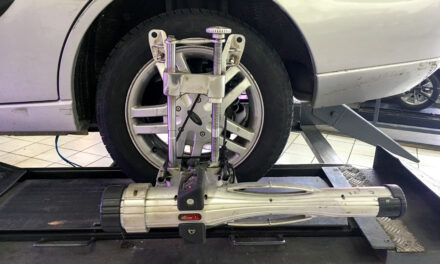
6. Suspension knocks, tyre wear and alignment neglect
Tucsons often live a hard family-car life. Kerbed wheels, cheap replacement tyres and repeated pothole hits are common in this part of the market. Even if the model itself is basically sound, poor maintenance shows up quickly in how it steers and rides.
What to check:
- listen for knocks over speed bumps and broken surfaces
- feel for steering that pulls left or right
- inspect the inside edges of the tyres for uneven wear
- check that all four tyres are matching quality brands or at least a sensible pair on each axle
- look for a full-size invoice trail after any alignment or suspension work
A Tucson on random ditchfinder tyres is telling you something about the way it has been run.
7. Boot-area rattles and trim wear are worth noticing
This is not the biggest mechanical threat, but it still matters. Some Tucson owners report cabin rattles or trim noises, especially in newer electrified cars. That is not a reason to walk away on its own, but it is a good clue about build quality niggles and owner tolerance for unresolved faults.
What to check:
- drive on rougher urban roads with the radio off
- listen for trim rattles from the tailgate and rear cabin
- inspect boot trim, seat backs and load lip condition carefully
A family SUV with a battered boot and loose trim may have had a much tougher life than the odometer suggests.
Which used Hyundai Tucson engines make the most sense?
There is no single perfect Tucson for every buyer, but there are sensible matches for different usage patterns.
Best for mainly motorway miles
An older CRDi diesel can still work well if it has the right history and has clearly been used for longer runs. The key is evidence of proper maintenance and no signs of diesel emissions trouble.
Best for mixed private use
A well-kept petrol Tucson or a later full hybrid often makes more sense for buyers who do a mix of commuting, errands and weekend trips. The later hybrid models are appealing if they drive smoothly and still have some warranty cover left.
Best avoided for the wrong use case
A cheap diesel bought for a life of short trips is the obvious mismatch. So is any DCT car that already feels hesitant or clumsy on the test drive.
What to check in the paperwork
A used Tucson should come with more than a smile and a clean dashboard. You want a story that makes sense.
Look for:
- service invoices with dates and mileages that line up properly
- evidence of recall work where relevant
- previous MOT advisories that have actually been dealt with
- tyre replacement history that suggests the owner did not run it on the cheap
- proof of any gearbox, clutch or battery-related work on cars where those areas matter
- handbook packs, spare key and locking-wheel-nut key
If a seller cannot explain gaps in the history, do not do the explaining for them.
Best used Hyundai Tucson buying checklist
Use this as your short version when viewing a car:
- Start it from cold and watch for warning lights or rough running.
- Test the clutch or gearbox at low speed, not just at A-road pace.
- Check tyres, alignment and suspension noise.
- Test every electrical feature you can reach.
- Confirm the type of journeys the car has actually done.
- Check service history and MOT history together.
- Run a recall check before paying a deposit.
- Prioritise condition and paperwork over trim level.
Is a used Hyundai Tucson a good buy?
Yes, a used Hyundai Tucson can be a very good buy in the UK, especially if you want a practical family SUV without drifting into premium-badge prices. The trick is not to buy the first tidy-looking one you see.
The best Tucsons are the cars with believable history, smooth transmission behaviour, healthy tyres, working electronics and clear evidence that recall and maintenance work has been taken seriously. The risky ones are the bargain diesels that have lived on short trips, the older manuals with obvious clutch shudder and the newer automatics that already feel awkward at parking speeds.
Buy on condition, history and how the car behaves from cold. Do that, and the Tucson is easier to recommend than many used SUVs in the same price band.


Trackbacks/Pingbacks