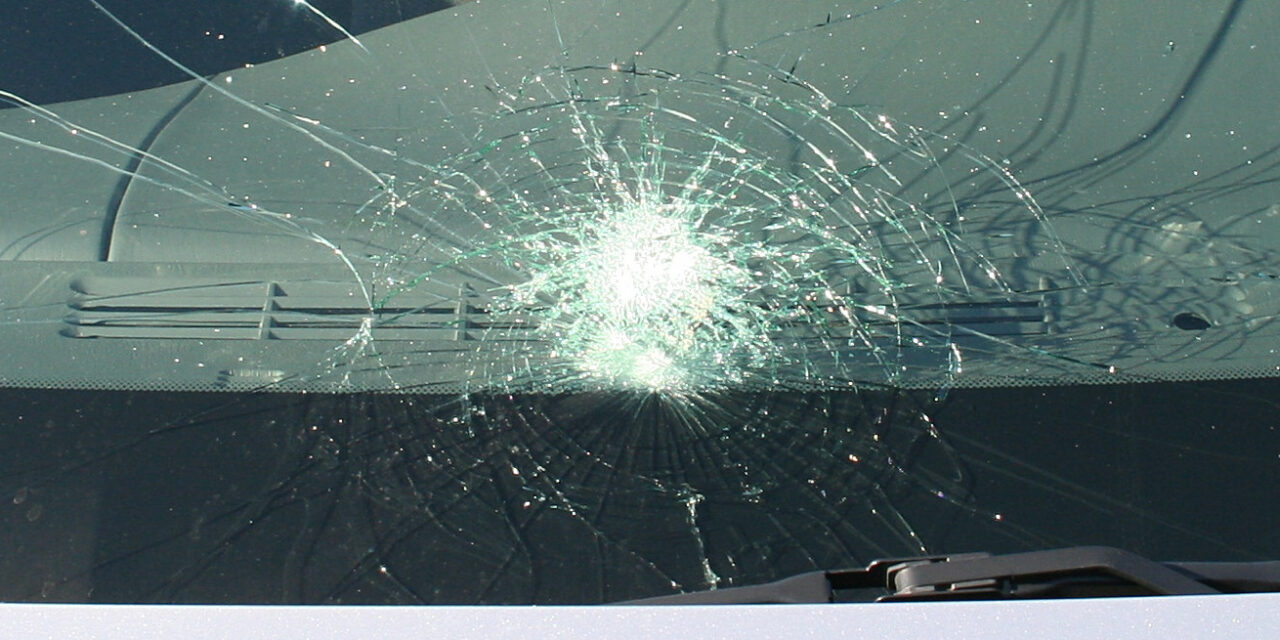
If your windscreen is cracked badly enough to need replacing, the bill can land anywhere from fairly annoying to genuinely ugly. The gap between a simple screen on an older hatchback and a camera-packed screen on a newer SUV is now wide enough that a quick search rarely gives a useful answer.
For most UK drivers, a sensible starting point is this: RAC says windscreen replacement usually falls between £150 and £400, and cites a 2025 WhoCanFixMyCar average of £343.83. That fits closely with myWindscreen’s 2026 guide, which puts the average at about £345 for a typical non-luxury passenger car.
The catch is that those averages stop being useful the moment your car has heated glass, acoustic glass, rain sensors or ADAS cameras that need recalibration after fitting. That is why two cars parked on the same street can end up with very different quotes.
Typical windscreen replacement costs in the UK
A realistic rule of thumb is this:
| Job type | Typical UK cost |
|---|---|
| Basic windscreen replacement on a simpler car | around £150 to £250 |
| Mid-range replacement on many mainstream cars | around £250 to £400 |
| Replacement on more complex or premium cars | often £400+ |
| Chip repair where replacement is not needed | from about £90 |
Those figures are not plucked from nowhere. RAC’s current consumer guide says drivers should expect £150 to £400 in many cases, while National Windscreens currently advertises single chip repair from £90. RAC also quotes manufacturer-level averages from WhoCanFixMyCar data, with examples including Ford at £221, Vauxhall at £274, Volkswagen at £298, BMW at £392, Mercedes at £412 and Renault at £530.
That manufacturer spread matters because it shows why generic "new windscreen" estimates are often nonsense. A cheap quote for a Fiesta does not tell you much about the likely bill for a newer premium car with camera-based driver aids.
Why some windscreens cost much more than others
There are five big cost drivers.
1. ADAS cameras and recalibration
This is the one that catches people out. Many newer cars have cameras mounted around the windscreen area for lane keeping, traffic sign recognition, emergency braking support and similar systems. When the glass is replaced, those cameras often need recalibration.
National Windscreens says cameras must be calibrated following a windscreen replacement on affected vehicles. myWindscreen also highlights ADAS as a major reason modern glazing bills are climbing. In plain English, the job is no longer just glass out and glass in. There is extra workshop time, extra equipment and more chances for the quote to move north.
2. Make, model and age of the car
Mass-market models usually have more predictable glass supply and lower prices. Rarer cars, premium cars and newer cars can be much pricier. myWindscreen notes that popular UK models are often easier to source glass for, while luxury or less common vehicles can cost more.
3. The type of glass fitted
Heated windscreens, acoustic glass and glass with integrated sensors can all lift the price. Even when the car looks ordinary from the outside, the specification can turn a simple booking into a much more expensive replacement.
4. Whether the damage can be repaired instead
A repair is usually far cheaper than a full replacement, which is why every decent glass company would rather save the original screen if it is safe to do so. National Windscreens explicitly says it will not replace a damaged windscreen if a repair can be undertaken.
5. Where and how you book
National chains, insurer-approved partners and local independents do not always price the same way. If you are paying yourself, it is worth getting more than one quote, especially on older mainstream cars where the price gap can be meaningful.
Will insurance cover a windscreen replacement?
Often yes, but do not assume it is free.
Autoglass says that if you have insurance with glass cover, a replacement will usually be covered by your insurer and you normally pay only the policy excess. It also says this usually does not affect your no-claims bonus. National Windscreens makes a very similar point, saying that where the policy covers damaged glass, drivers usually pay only the excess amount, even if ADAS calibration is required.
If you do not have glass cover, or if the policy terms are poor, you could be paying the full retail price yourself. Before booking, check three things:
- your glass excess
- whether ADAS recalibration is included
- whether you must use an approved repairer
That quick check can save a nasty surprise. A "cheap" self-pay booking is not much of a bargain if your policy would have covered most of the cost anyway.
Repair or replace: which one actually makes sense?
If the damage is a small chip away from the driver’s main view, repair is usually the obvious answer. It is cheaper, quicker and avoids replacing an otherwise sound factory screen.
If the crack is spreading, sits in a sensitive part of the driver’s view or the damage is simply too severe to stabilise safely, replacement is the right call. This is not just about aesthetics. The GOV.UK MOT inspection manual says damage in Zone A that is more than 10mm in diameter, or damage in the rest of the swept area that is more than 40mm, can be a reason for failure if the driver’s view is significantly affected.
So yes, cost matters, but hanging on too long can create a legal and safety problem as well.
How to avoid overpaying
A few habits make a real difference.
Compare like with like
Make sure each quote includes the same things: fitting, glass specification, trim, mobile fitting if relevant, and ADAS calibration if your car needs it. A low quote that quietly excludes calibration is not a low quote.
Check your insurance excess before you ring anyone
If your excess is modest, claiming on glass cover may be the cheapest route by far. If your excess is high, a self-pay quote from an independent may work out better.
Do not ignore a chip for weeks
A repairable chip is much cheaper than a full screen. Once heat, cold or a pothole turns that chip into a long crack, the cheap option often disappears.
Ask whether OEM-equivalent glass is being used
You do not necessarily need manufacturer-branded glass on every car, but you do want a reputable supplier and a fitter willing to explain exactly what is being installed.
What should you budget in real life?
For a straightforward older or mainstream car, budgeting around £250 to £350 is usually sensible. For a newer car with cameras or more specialised glass, budgeting £350 to £500 is safer. Premium models can climb beyond that.
That is deliberately broader than the neatest headline number, because windscreen costs are one of those areas where the details matter more than the average. The difference between a basic laminated screen and one tied into modern driver-assistance hardware is the difference between a manageable maintenance bill and an unexpectedly chunky one.
The bottom line
If you need a quick rule, use this one: expect most UK windscreen replacement jobs to land somewhere around £150 to £400, with the overall average now roughly £344 to £345, and be ready for a higher quote if your car has ADAS cameras or premium glass. If the damage is still repairable, moving quickly can keep the bill closer to the £90 chip-repair territory instead of full replacement money.
In other words, the cheapest windscreen replacement is usually the one you never need because you repaired the chip in time.