Thinking about a used Audi A3? These are the main UK trouble spots to check, from water-pump leaks and neglected S tronic servicing to infotainment faults, suspension wear and outstanding recall work.
The Audi A3 has long been one of the default premium hatchbacks for British buyers who want something classier than a mainstream family car without moving up to a much larger saloon or SUV. It is easy to see why. The A3 is widely available, feels more upmarket than most rivals, and comes in hatchback, saloon and plug-in hybrid forms that suit very different kinds of owner.
That appeal is exactly why you should be choosy. A tidy, well-maintained A3 can still feel expensive in the right ways. A neglected one can quickly become a costly lesson in coolant leaks, gearbox hesitation, electrical faults and overdue maintenance.
This guide focuses mainly on the Mk3 Audi A3 sold in the UK from 2012 to 2020, plus the newer Mk4 introduced in 2020, because those are the cars most buyers are realistically looking at today.
Quick answer: what are the main used Audi A3 problems to look for?
The big things to watch are coolant leaks from the water pump area, weak or patchy service history, S tronic automatic gearbox hesitation on cars with questionable maintenance, 1.4-litre petrol engine rattles on some older cars, infotainment or electrical glitches, worn suspension components, and unresolved recall work.
Before you buy, start with these checks:
- full service history with invoices, not just a stamped book
- evidence that the car has been serviced on the correct Audi schedule for how it was used
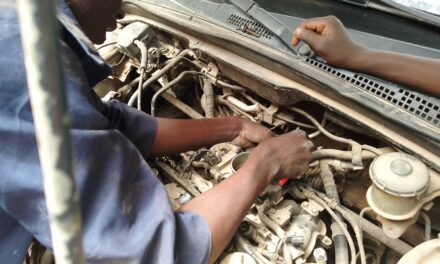
- no coolant smell, warning lights or signs of dried pink residue around the engine bay
- smooth low-speed behaviour from S tronic cars with no shunt, flare or hesitation
- no persistent cold-start rattles from 1.4-litre petrol models
- no suspension knocks, steering vagueness or uneven tyre wear
- all infotainment, screen, climate and driver-assistance functions working properly
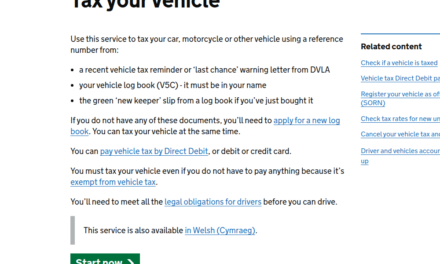
- confirmation through the official GOV.UK recall checker that safety recalls have been completed
For most private buyers, the safest place to start is a later Mk3 petrol car with strong history, or a newer Mk4 with every recall and software update accounted for.
Why the used Audi A3 still makes sense in the UK
The A3 sits in a useful sweet spot. It is more premium than a Focus, Astra or Ceed, but far easier to find and live with than something more exotic. There are plenty on the used market, specialists know them well, and many mechanical parts are shared with other Volkswagen Group cars.
That shared engineering helps in one obvious way. Known faults are well understood. It also helps in a less obvious way. You do not need to take a gamble on a questionable example just because stock is thin. There are enough A3s for sale in the UK that you can afford to walk away from one with poor history, warning lights or a seller who gets vague when you ask about maintenance.
Which used Audi A3 does this guide cover?
If you are shopping now, you are usually looking at one of these:
- Mk3 or 8V cars from 2012 to 2020, which make up the core of the affordable used market
- Mk4 or 8Y cars from 2020 onwards, which bring newer tech but need more careful checks for electrical and recall work
- 1.0, 1.4 and 1.5 TFSI petrol models, which suit many private buyers best
- 2.0 TDI diesels, which still make sense for drivers doing regular motorway mileage
- S tronic automatics, which are desirable but must be bought on history
- A3 e-tron plug-in hybrids, which can work well if charged properly and maintained carefully
If your budget allows, a later Mk3 facelift car is still a very sensible target. It feels modern enough, there is good UK supply, and you avoid some of the earliest age-related drift that catches cheaper examples.
Used Audi A3 problems that matter most
1. Water-pump and coolant leaks
This is one of the faults worth taking seriously because it can start as an annoyance and end as a bigger cooling-system bill.
Carbuyer flags leaking water pumps as one of the common issues reported by A3 owners, and it is exactly the sort of fault that can be missed by buyers who focus too heavily on shiny paint and a premium badge. On a viewing, check for any sweet coolant smell, low coolant warnings, dampness around the pump area or dried pink residue in the engine bay. Also ask whether the water pump has already been replaced.
A seller who says the car occasionally needs topping up but insists it is nothing serious is not giving you reassurance. They are giving you a warning.
2. S tronic gearbox problems on poorly maintained cars
A healthy A3 automatic should feel smooth, quick and unobtrusive. If it feels jerky, hesitant or confused at low speed, treat that as a red flag.
The gearbox itself is not a reason to avoid the car, but service history matters. You want proof that maintenance has been done when required, not a vague promise that it has always driven fine. During a test drive, check for shunting when manoeuvring, delayed engagement selecting drive or reverse, flaring between gears, or any dashboard warnings.
If you want the lower-risk option, a good manual usually remains the simpler used buy. If you want an S tronic, buy the history first and the trim level second.
3. 1.4 TFSI petrol rattles and poor cold starts
Carbuyer also notes rattling 1.4-litre engines among the known problem areas on older A3s. That does not mean every 1.4 TFSI is a bad idea. It means you should not dismiss start-up noise as character.
View the car from cold if possible. Listen for a persistent rattle on start-up, uneven idle, warning lights or any sign the seller has warmed the engine before you arrived. If the engine sounds rough for more than a brief moment, or the seller cannot explain recent work clearly, move on.
This is also where service records matter again. Oil-change gaps, missed maintenance and bargain-basement repair habits tend to show up first in the way an engine starts and settles.
4. Infotainment and electrical gremlins
Audi built the A3’s reputation on looking and feeling smart inside, so cabin tech that does not work properly matters more here than it might in a cheaper hatchback.
On Mk3 cars, Carbuyer highlights issues with the pop-up infotainment screen, which can creak or behave poorly when moving in and out of the dashboard. On newer Mk4 cars, electrical and infotainment complaints matter even more. What Car?’s used reliability coverage for the latest A3 points heavily towards infotainment and other non-engine electrical faults, which is worth remembering if you are tempted by a newer car simply because it looks fresher.
Check everything. Pair your phone, test the screen, run the navigation, try every steering-wheel control, test parking sensors and cameras, and make sure no warning messages are hiding in the driver display. If a seller tells you the screen only freezes occasionally, believe them. Then decide whether you want to own that problem.
5. Suspension knocks, tired bushes and uneven tyre wear
A good A3 should feel tidy and fairly settled on British roads. If the front end knocks over potholes, the steering feels vague, or the tyres are wearing unevenly, budget for suspension work.
This is not unique to the A3. It is the normal used-car reality of heavier cars on poor roads. But it still matters because buyers often pay an Audi premium and forget to judge the actual condition underneath. Listen for clunks over broken surfaces, check the tyres carefully, and make sure the car tracks straight without steering corrections.
A cheap A3 that immediately needs tyres, alignment and front-end suspension parts is rarely the bargain it first appears to be.
6. Recall work that has not been completed
This is one of the easiest checks to do, and one of the least sensible to skip.
The GOV.UK recall checker lists several Audi A3 safety recalls across different model years. Examples include rear-seat head-restraint issues on some 2018 cars, a brake-servo input-rod recall affecting some 2020 and 2021 cars, a front seatbelt recall on some 2021 cars, and an electrical connector issue affecting certain newer examples.
Do not settle for a seller saying they think all recall work was done. Check it yourself using the registration or VIN route where possible, and ask for supporting paperwork if the car has had dealer recall work completed.
7. Timing-belt history on the right cars
This is a maintenance point rather than a universal flaw, but it matters enough to treat seriously.
Carbuyer notes that diesel A3s and the performance S3 use a timing belt that should be replaced every five years or 75,000 miles, with the bill potentially reaching around £900 including the water pump. If the car you are considering should have had this work by age or mileage, you want evidence that it has been done, not an intention to get around to it later.
If there is no proof, assume the cost is yours and price the car accordingly. Motoring Mojo has already covered broader timing-belt costs in our guide to timing belt replacement cost UK.
What to check on a test drive
A used Audi A3 should not feel crude. If it does, something is usually off.
During a proper test drive, pay attention to:
- how cleanly the engine starts from cold
- whether the coolant temperature rises normally and stays stable
- whether the gearbox engages smoothly at parking speeds
- any clunks from the front suspension over speed humps or rough roads
- whether the steering is straight and consistent under braking
- whether the infotainment system, Bluetooth and parking aids work without fuss
- whether there are any warning lights, especially for engine, gearbox, ABS or driver-assistance systems
Also check for signs of cosmetic care hiding mechanical neglect. Freshly dressed tyres, shiny paint and a recently valeted cabin do not replace evidence.
Which used Audi A3 engine and gearbox should you choose?
For many UK buyers, a petrol A3 remains the easiest recommendation. A good 1.5 TFSI is a sensible all-rounder if you cover ordinary mixed mileage and want lower running complexity than a diesel or plug-in hybrid.
A 2.0 TDI can still make sense if you do long motorway journeys and will actually use a diesel properly. If most of your driving is short urban work, do not buy a diesel just because the list price looks attractive.
Manual cars usually offer the simpler ownership prospect. S tronic suits the A3 well when it is healthy, but only buy one with the kind of history you would be happy to file away and rely on later.
The A3 e-tron is worth a look if you will charge it often and want company-car-style tax logic in a used package, but a plug-in hybrid without regular charging discipline is an unnecessarily complicated hatchback.
Is a used Audi A3 reliable enough to buy?
Yes, if you buy carefully.
The A3 does not have a reputation as a disaster, and it benefits from shared Volkswagen Group hardware and wide specialist support in the UK. Carbuyer describes it as having a solid reputation for reliability, and that broadly matches the car’s place in the used market.
The catch is simple. Audi-badged problems rarely feel cheap when you are paying for them. That is why condition, history and evidence matter so much more than trim names, wheel size or a premium-looking advert.
Our verdict on the used Audi A3
The Audi A3 is still a strong used choice for British buyers who want a premium hatchback or small saloon without stepping into something much larger or more expensive to run. It looks smart, there is plenty of choice on the market, and a good one still feels properly sorted.
Just do not buy one lazily. Check for coolant leaks, be fussy about gearbox behaviour, verify timing-belt and recall history where relevant, and treat electrical glitches as a real buying factor rather than a small annoyance.
Get that right and the A3 can still be one of the more convincing premium used cars in its class. Get it wrong and you will spend Audi money fixing a car that only looked like a bargain.
If you are also worried about wiper issues on this model, our separate guide to Audi A3 wiper motor failure MOT checks covers that in more detail.