The Ford Focus has been a default answer to the used family hatchback question for years, and not by accident. It is practical, easy to place on a narrow UK road, widely available, and still one of the better cars in its class to drive. That matters when you are buying something you will use for the school run, motorway slogs and everything in between.
That is also why it is worth being selective. A good used Focus can be a brilliant buy. A tired one can land you with wet-belt worries, gearbox bills, diesel emissions headaches or niggling electrical faults that slowly drain both your battery and your patience.
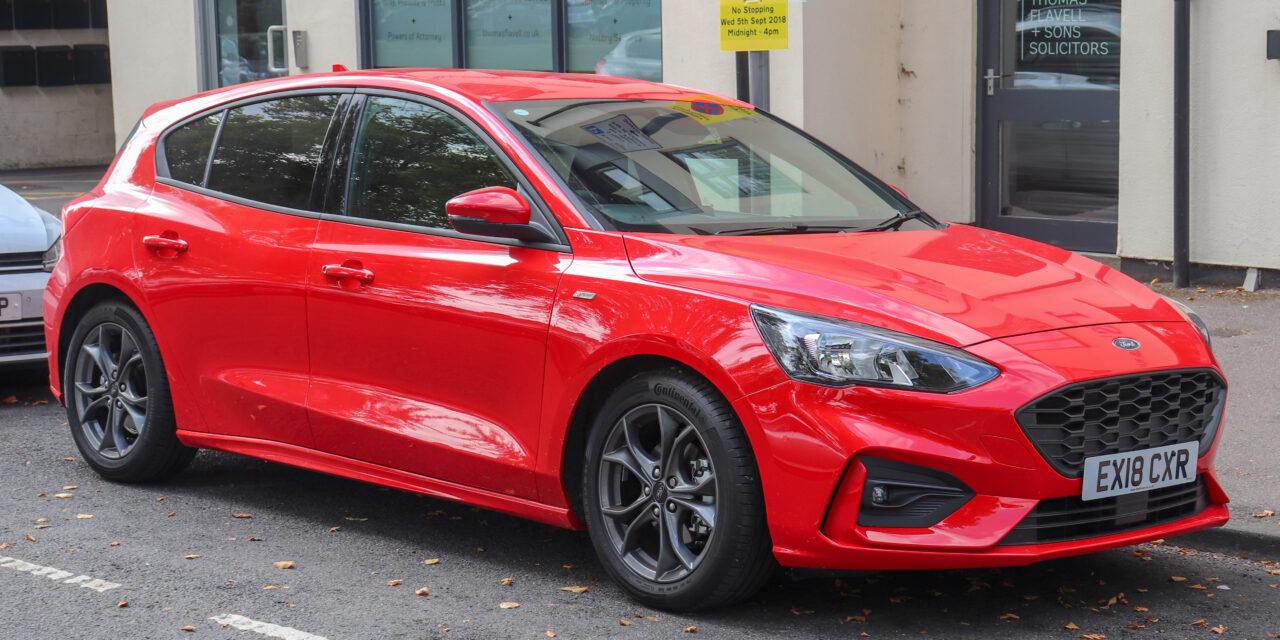
This guide focuses mainly on the Mk3 Ford Focus sold in the UK from 2011 to 2018, plus the early Mk4 introduced in 2018, because those are the cars most buyers are cross-shopping in the real used market now.
Quick answer: what are the main used Ford Focus problems to look for?
The big things to watch are wet-belt and coolant-hose issues on early 1.0 EcoBoost cars, troublesome PowerShift automatic gearboxes on older models, worn suspension and broken springs, diesel DPF and EGR trouble on cars used for short trips, electrical faults on early Mk4s, and any example with weak service history or missed recall work.
Before you buy, start with these checks:
- full service history with invoices, not just a stamped book
- proof of the right oil being used on 1.0 EcoBoost cars
- smooth shifting from any automatic, with no judder or hesitation
- no warning lights, limp mode or signs of DPF trouble on diesels
- no suspension knocks, steering twangs or uneven tyre wear
- confirmation that recall work has been completed
- a clean cold start with no rattles, smoke or coolant smell
For most people, the safest used Ford Focus is a well-maintained manual petrol car with strong history and a clean MOT record.
Why the Ford Focus is still such a strong used buy in the UK
There is a reason the Focus has stayed near the top of so many UK shortlists. It does the basics properly. The driving position is good, visibility is decent, parts supply is strong and there are plenty on the market, which gives buyers room to be picky.
Parkers still rates the 2011 to 2018 Focus as a great used buy and calls it a joy to drive. That still checks out. Even now, a tidy Focus usually feels more sorted than a lot of ordinary used hatchbacks in the same price bracket.
The fourth-generation car that arrived in 2018 kept that core appeal too. Parkers says the newer Focus remains one of the best-driving family hatchbacks around, and that matters if you want something practical that does not feel flat or forgettable.
The catch is simple. Because Ford sold so many of them, the market is full of mixed-quality cars. Some have been maintained properly by careful owners or specialists. Some have been run on a budget because there was always another cheap Focus down the road.
Which used Ford Focus does this guide focus on?
If you are shopping today, you will usually be looking at one of these:
- Mk3 hatchbacks and estates from 2011 to 2018
- Early Mk4 hatchbacks and estates from 2018 onwards
- 1.0 EcoBoost petrol cars, which are common and tempting on paper
- 1.5 and 1.6 diesel cars, often bought for motorway economy
- manuals, which are usually the safer bet
- older PowerShift automatics, which need extra caution
The facelifted Mk3 cars and later Mk4s are often the better place to start if your budget allows. You are more likely to get fresher infotainment, tidier trim and fewer age-related headaches.
Used Ford Focus problems that matter most
1. Wet-belt risk on early 1.0 EcoBoost cars
This is the headline issue, and it matters because so many used Focuses on sale in Britain use Ford’s 1.0-litre EcoBoost petrol engine.
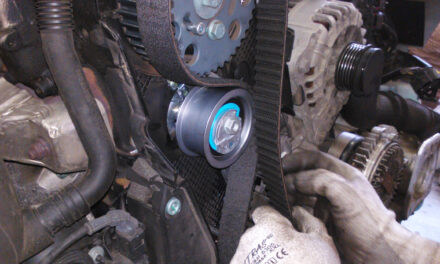
Parkers specifically warns buyers to be wary of 1.0-litre EcoBoost Mk3 Focus models because the timing belt runs in oil as a wet belt. If that belt degrades, the consequences can be expensive. Parkers says Ford’s replacement interval was 10 years or 100,000 miles, while many specialists prefer an earlier change.
That does not mean every 1.0 EcoBoost Focus is a bad buy. It means paperwork matters more than promises. Ask what oil has been used, whether the service schedule has been followed properly, and whether the belt has already been replaced if the car is at the age or mileage where that becomes a concern.
If the seller cannot show evidence, price the job in before you buy or move on.
2. Early EcoBoost coolant-hose trouble
Wet-belt worries are not the only reason to pay attention to early 1.0 cars. Parkers also flags a dealer recall on early EcoBoost models linked to a small coolant hose known as the degas hose. If it fails, the engine can lose coolant and suffer much bigger damage.
That means you should not just look for a full service book. Check the expansion tank level when the engine is cold, look around the bay for dried coolant residue, and ask directly whether any recall or remedial work was completed.
A seller who knows the car well should not be surprised by that question.
3. PowerShift automatic gearbox problems
If you want the short version, the safest route is usually to buy a manual Focus unless you have excellent evidence that an automatic has been maintained exactly as it should have been.
Parkers is unusually blunt here. It describes older PowerShift gearboxes as troublesome and says the list of issues can run from annoying judder to total clutch failure. It also stresses that fluid and filter changes matter.
On a test drive, a weak PowerShift can feel jerky pulling away, hesitant when shifting, or oddly confused at low speeds. Any shuddering, flare in revs or dashboard warning should make you walk away. There are enough Focuses on the market that you do not need to convince yourself a bad automatic is fine.
4. Suspension knocks, broken springs and tired bushes
A Ford Focus should feel tidy. If it does not, something is probably worn.
Parkers says buyers should listen for clonk or twang noises from the steering and front end, which may point to broken front springs. Worn bushes, tired drop links and general suspension wear are also common enough on older UK cars, especially those that have spent years on rough roads or speed humps.
That matters because the Focus is supposed to be one of the sharper family hatchbacks to drive. If the car you are testing feels vague, noisy over bumps or oddly unsettled, do not assume that is just how they are. It probably is not.
We have already covered one version of this problem in more detail in Motoring Mojo’s guide to Ford Focus suspension arm bush MOT fail: what to check first.
5. Diesel DPF and EGR trouble on the wrong kind of car
A used Focus diesel can still make sense for drivers doing regular distance. It makes much less sense if your life is cold starts, school runs and stop-start traffic.
That is because the usual diesel weak spots apply here too. DPFs need proper hot running to regenerate, and EGR systems do not love repeated short journeys. If the seller mainly used the car for local work, take that seriously.
On the test drive, look for warning lights, sluggish response, repeated cooling-fan activity after stopping, lumpy idle or any sign the car has recently been cleared of faults just to get it sold. A diesel Focus with a clean motorway life can be a smart buy. One that has spent years doing two-mile trips can become an expensive false economy.
6. Early Mk4 recalls and electrical gremlins
The Mk4 Focus is generally the more modern and often more polished used car, but early examples are still worth checking carefully.
The UK government’s recall database shows a long list of Focus recalls affecting 2018, 2019, 2020 and 2021 cars. They include issues involving front suspension bolt torque, brake pedal hinge bolts, engine wiring loom routing, seat-belt anchorages, rear-view camera software, eCall software and diesel particulate filter cracking on some vehicles.
That does not mean the Mk4 is a bad car. It does mean you should treat recall history as a proper buying check, not a box-ticking extra. Ask for dealer invoices, look up the registration on the official recall checker, and be cautious if the seller has no idea what has or has not been done.
7. Weak history, cheap tyres and signs of budget ownership
This is not a Focus-only issue, but it matters on cars like this because there are so many around. When supply is strong, the best used buy is rarely the cheapest one.
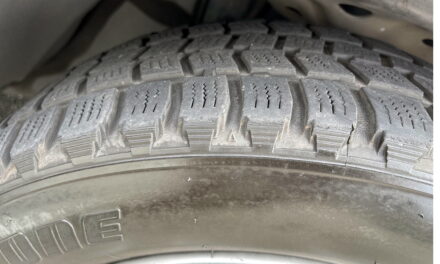
A Ford Focus with matching quality tyres, regular servicing and invoices for the annoying little jobs is usually worth more than a superficially similar car with budget rubber, patchy paperwork and a seller who says they never needed to spend anything on it.
Watch for shortcuts. Freshly cleared warning lights, mismatched tyres, overdue servicing, thin brake pads and suspiciously vague answers are all clues that the car has been run to a number, not looked after for the long term.
Which used Ford Focus engine is the safest bet?
For many buyers, the answer is simple: a manual petrol car with full history.
A well-kept 1.0 EcoBoost can be fine if the service record is strong and you go in with your eyes open about wet-belt maintenance. If you are nervous about that risk, stepping into a later Mk4 mild-hybrid 1.0 can make more sense. Parkers notes that current mild-hybrid Focus models use a redesigned engine with a timing chain rather than the earlier wet-belt setup.
Diesels still suit high-mileage drivers, but only if the car’s use pattern matches the engine. Buying a cheap diesel for urban driving just because it looks like a bargain often ends badly.
As for automatics, buy on condition and proof, not hope.
What to check on a test drive
A used Ford Focus inspection should not be complicated, but it does need to be methodical.
Before starting the car
- check the service book and invoices before you get distracted by shiny paint
- inspect tyre brands and wear patterns
- look for signs of coolant residue or oil mess around the engine bay
- confirm the VIN and registration match the paperwork
- check whether recall work is documented
At cold start
- listen for rattles or harsh mechanical noise
- make sure there are no warning lights staying on
- watch for smoke, misfire or an uneven idle
- check that the air conditioning, infotainment and cameras actually work
On the move
- the steering should feel direct, not clunky or vague
- the suspension should feel controlled, not crashy or loose
- a manual should shift cleanly with no clutch slip
- an automatic should pull away and change gear smoothly
- a diesel should deliver torque cleanly without coughing into limp mode
After the drive
- look again for leaks or coolant smell
- check that the cooling fan is not behaving oddly
- recheck for warning lights
- if possible, scan the car for stored fault codes
Is a used Ford Focus worth buying in 2026?
Yes, if you buy carefully.
The Focus is still one of the easiest used hatchbacks to recommend because it gets so many fundamentals right. It is practical, common enough to buy selectively, and still good to drive in a way many rivals are not. That is why it remains such a strong family-car option on the UK market.
But you should not buy one lazily. Early 1.0 EcoBoost cars need proper scrutiny. PowerShift automatics deserve real scepticism. Diesel cars only make sense for the right kind of mileage. And early Mk4s should always get a recall-history check.
Get those things right and a used Focus can be one of the smartest all-round buys in its class.
Verdict: the Ford Focus to buy, and the one to avoid
If you want the safest broad recommendation, buy a manual Ford Focus with full history, evidence of careful maintenance and no signs of cheap ownership.
If you are considering an early 1.0 EcoBoost, only proceed if the wet-belt and servicing story is convincing. If you are looking at an older automatic, make sure the gearbox behaves perfectly and the maintenance record backs it up. If neither of those things is true, walk away.
There is no shortage of used Ford Focuses in the UK. That is exactly why you can afford to be fussy.