
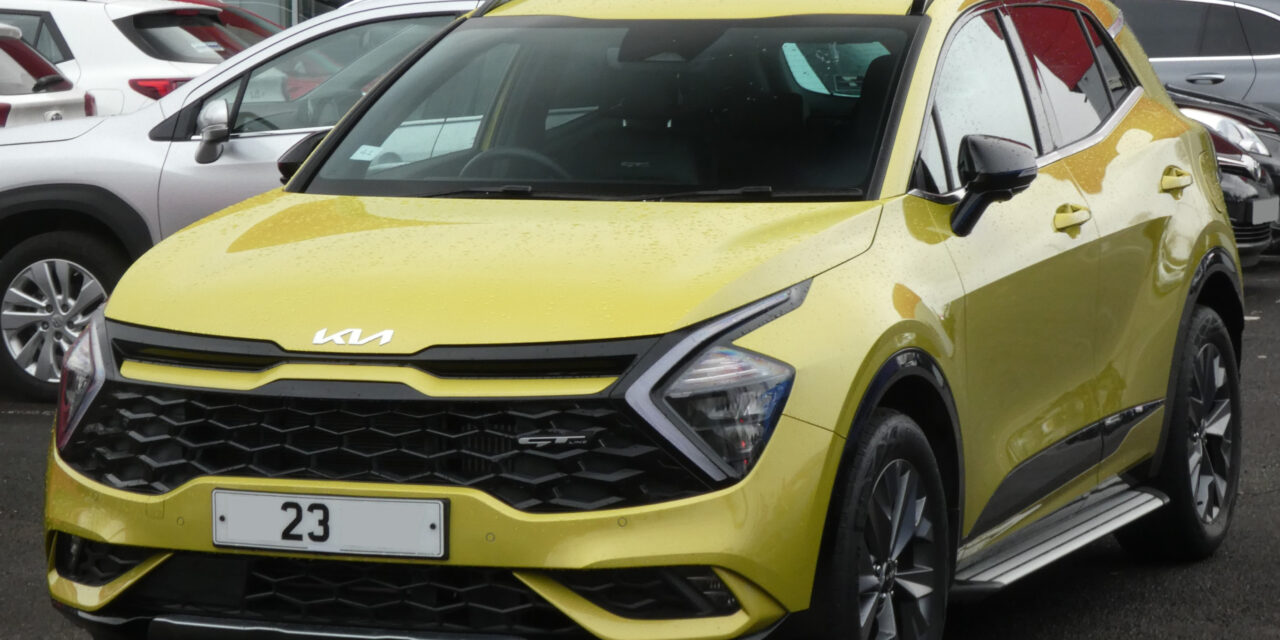
If you are looking at a used Kia Sportage, the headline is simple: it is usually a sensible family SUV buy, but the diesel versions deserve a much harder inspection than the petrol ones.
The best examples are roomy, comfortable and backed by Kia’s transferable seven-year warranty if any cover is left. The weaker cars tend to be short-trip diesels with DPF trouble, patchy service history, gearbox hesitation or a long list of small electrical niggles.
Quick answer: what should you check on a used Kia Sportage?
Before you buy, focus on these areas first:
- diesel cars for DPF, EGR and injector-related warning signs
- DCT automatic cars for hesitation, jerky pull-away or shuddering at low speed
- suspension knocks, especially over speed bumps or rough town roads
- infotainment, reversing camera, parking sensors and dashboard warning lights
- tyre wear and wheel damage, especially on big-wheel GT-Line models
- brake condition, including any sign of binding or uneven wear
- evidence that recall work has been completed
If you mainly do short urban trips, a petrol Sportage is usually the safer used buy.
Is a used Kia Sportage generally reliable?
Broadly, yes, but not every version is equal.
The fourth-generation Sportage sold in the UK from 2016 to 2022 has a decent reputation overall, and Kia’s long warranty is a real plus in the used market. However, owner-survey data from What Car? points to a clear split between petrol and diesel cars. Petrol versions have held up well, while diesel models from this era have had a much weaker reliability record, with faults more likely to involve the engine, gearbox or electrics.
That does not mean every diesel Sportage is a bad buy. It does mean you should only buy one with strong history, the right driving pattern and a clean test drive.
Which used Kia Sportage is the safest bet?
For most UK buyers, the safer choice is a petrol car with a full or near-full service record.
A 1.6 T-GDi petrol usually makes the most sense if you want enough performance for family use without stepping into the riskier diesel side of the range. The non-turbo 1.6 GDi petrol is simpler, but it can feel underpowered when the car is full of passengers or luggage.
Diesel Sportages can still work well for drivers who cover regular motorway miles. The problem is that many used examples have spent years on school-run and town duty, which is exactly the sort of use that can shorten the life of the DPF and aggravate EGR-related problems.
Common used Kia Sportage problems to look for
1. DPF and EGR trouble on diesel models
This is the big one.
If you are looking at a 1.7 CRDi, 1.6 CRDi or 2.0 CRDi Sportage, ask how the car has been used. A diesel that has mostly done short local journeys is far more likely to give trouble with the diesel particulate filter. Warning signs include a reluctant regeneration cycle, poor fuel economy, sluggish performance, a cooling fan running after shutdown or dashboard warning lights.
During the test drive, make sure the engine pulls cleanly and does not feel strangled under acceleration. Ask whether the DPF, EGR valve, injectors or turbo have needed work. A seller who cannot answer basic servicing questions on a diesel Sportage is a red flag.
If you only cover short trips, walk away and buy petrol.
2. Gearbox hesitation or shudder on automatic cars
Not every Sportage automatic is troublesome, but this is an area worth checking carefully.
Some owners have reported jerky low-speed behaviour, hesitation when pulling out and occasional shuddering from the transmission. On a test drive, spend time in stop-start traffic, slow parking manoeuvres and roundabout pull-aways. The car should move off cleanly without a long pause, flare in revs or a clumsy lurch.
If the gearbox feels confused when selecting drive, or the seller says “they all do that”, be cautious.
3. Infotainment and electrical niggles
The Sportage is full of useful family-car kit, but that also means more electrical items to test.
Common complaints are not usually catastrophic, but they are annoying. Check the touchscreen, sat-nav, Bluetooth pairing, reversing camera, USB ports, heated seats, parking sensors, electric mirrors and steering-wheel controls. Make sure there are no random warning lights and that the stop-start system works properly once the engine is warm.
A used SUV with several small electrical faults can turn into an irritating ownership experience even if the engine itself is sound.
4. Suspension knocks and front-end wear
The Sportage is not unusual here for a family SUV, but it is heavy enough to punish suspension parts on rough roads.
Listen for clunks from the front over potholes and speed bumps. Anti-roll bar links, bushes and other wear items are worth checking, especially on cars that have spent their lives in town. Uneven tyre wear can also point to alignment or suspension issues.
Motoring Mojo has already covered one specific fault point here in our guide to Kia Sportage anti-roll bar link MOT issues.
5. Brake wear and brake feel
Brake wear can be heavier than some buyers expect, especially on bigger, heavier diesel or AWD versions.
Check for lip on the brake discs, vibration under braking, pulling to one side or a handbrake that feels weak. During the test drive, the pedal should feel consistent rather than grabby or spongy. If the car has been standing for a while, a little surface rust is normal, but heavy pulsing or binding is not.
6. Tyres, wheels and alignment
Large alloy wheels look good on GT-Line trims, but they are expensive when they are bent, kerbed or wrapped in mismatched budget tyres.
Inspect all four tyres closely. Uneven inner-edge wear can hint at alignment or suspension problems, while four random tyre brands can suggest an owner who has cut corners elsewhere too. If the car runs on 19-inch wheels, budget realistically for replacements.
If you want a refresher on how to spot wear, our guide to the difference between wheel alignment and tracking is worth a look.
7. Signs of poor body or interior care
Many Sportages have lived a hard family-car life.
That is not a fault in itself, but it means you should check the cabin harder than you might on a smaller car. Look for broken trim clips, heavily scuffed boot plastics, wet carpets, torn seat bolsters, damaged load-bay trim and evidence of pets or repeated child-seat use. Outside, inspect bumpers and wheel arches for parking damage.
A rough cabin often tells you just as much about the previous owner as the service book does.
Recalls and warranty: two checks you should not skip
Always run the registration or VIN through Kia’s dealer network or the UK recall checker before handing over money.
Official UK recall records show some Sportage model years have had brake-vacuum related recall actions. For example, some 2018 cars were recalled because a tandem-pump mesh filter could block and reduce brake assistance, while some 2022 cars were recalled for a vacuum-pump drive issue addressed with an ECU update.
That does not automatically make the car a bad buy. It just means you want proof the work was done.
The other big advantage is Kia’s warranty. Kia UK says its seven-year or 100,000-mile warranty is transferable to the next owner, so a newer Sportage may still have useful cover left. That can make a dealer-serviced car much more attractive than a cheaper private-sale example with patchy history.
What to check on the paperwork
Before buying, make sure you see:
- service history with the right intervals for the engine fitted
- invoices for routine work, not just stamped book entries
- evidence of recall work if applicable
- MOT history that matches the car’s condition
- tyre, brake and battery replacement history on higher-mileage cars
On diesel cars, paperwork matters even more. If the seller can show recent motorway use, correct oil changes and sensible maintenance, that is a much better sign than a diesel that has simply scraped through yearly MOTs.
What is the best used Kia Sportage to buy?
For most private buyers, the sweet spot is a well-maintained petrol Sportage with sensible mileage and good history, rather than the cheapest diesel on the classifieds.
If you need diesel economy for long-distance driving, buy on condition rather than badge or trim. A lower-spec car with great history is usually a smarter buy than a flashier GT-Line with overdue maintenance, tired tyres and mystery warning lights.
Should you buy a used Kia Sportage?
Yes, a used Kia Sportage can still be a very good family SUV buy. It is practical, comfortable and easy to live with, and the remaining Kia warranty can be a genuine value boost.
The trick is not to buy blindly.
Petrol cars are usually the easier recommendation. Diesel cars need more scrutiny, especially if their previous life looks like short, cold urban driving. If the gearbox is smooth, the electrics all work, the suspension is quiet and the history is strong, a Sportage can be a smart used buy. If not, there are plenty of others out there.
For a more specific MOT-related Sportage issue, you can also read our guide to Kia Sportage emissions failures: petrol vs diesel.



Trackbacks/Pingbacks