
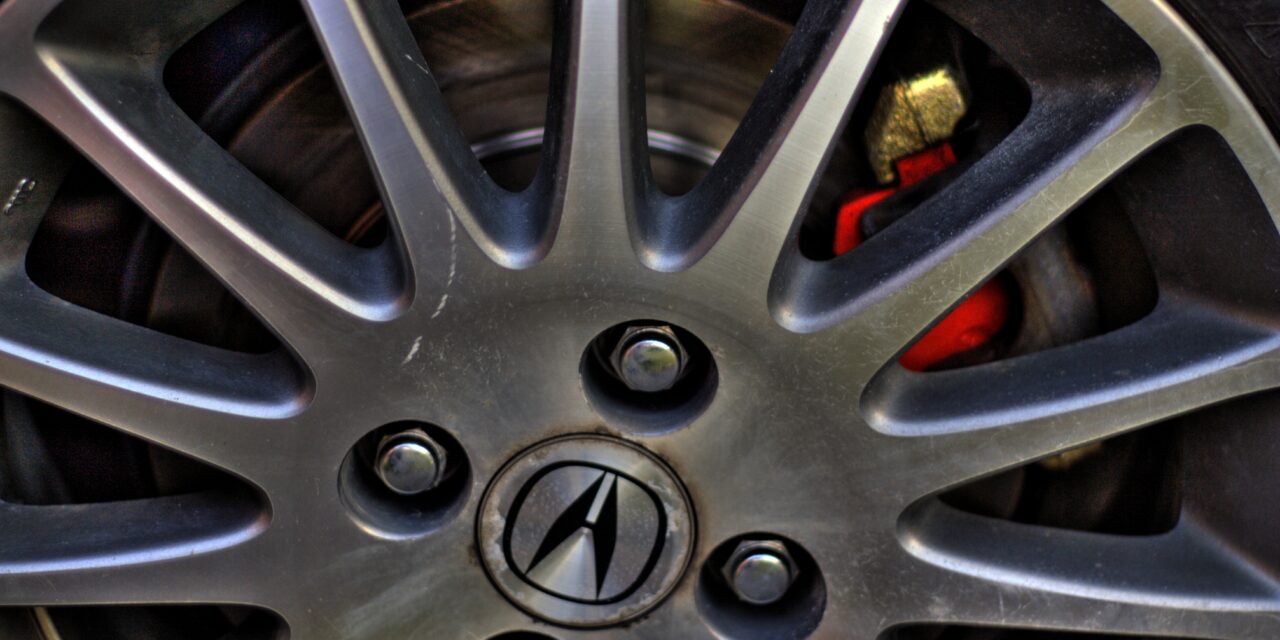
If you need a locking wheel nut removed in the UK, a realistic starting point is around £20 to £30 for a single nut at a specialist workshop, around £50 to £70 for a full set of four, and often £75 to £120 or more for a mobile call-out once travel, VAT and awkward cases are factored in. That is the short answer, but the real price depends on whether you have lost the key completely, how damaged the nut is, and whether the job can be done at the tyre shop or needs a mobile specialist to come to you.
In straightforward cases, the bill can stay fairly modest. If the locking nut has been rounded off, over-tightened, has a broken key stuck in it, or sits deep inside an aftermarket alloy wheel, the price usually climbs because removal takes longer and may need specialist tooling.
Quick answer: typical locking wheel nut removal costs in the UK
| Job type | Typical UK price |
|---|---|
| One locking wheel nut removed at a workshop | £20 to £30 |
| Full set of four removed at a workshop | £50 to £70 |
| Mobile specialist call-out | Often £75 to £120+ total |
| Broken key, damaged pattern or seized nut | Usually quote-only or surcharge applies |
| Replacement key from dealer or manufacturer | Varies, but can be cheaper than removal if available quickly |
These figures are a practical guide rather than a fixed national tariff. Specialist firm The Wheel Nut Man currently lists £20 for the first nut and £12.50 for each extra, or £50 for four at the same visit, with VAT added on top. Time Saver Tyres lists £60 for a four-wheel locking nut removal set. Mobile specialist Locking Wheel Nut Removers also states a minimum call-out charge of £30, with extra charges possible for damaged nuts, stuck sockets and awkward aftermarket alloy wheels.
What changes the price most
1. Whether it is one nut or all four
If you only need one damaged or lost locking nut dealt with, many specialists price the first one higher and any extras more cheaply. That is why a single-nut removal can look expensive compared with the per-wheel cost of removing a full set in one go.
2. Workshop job versus mobile call-out
Getting the car to a tyre shop or specialist workshop is usually cheaper than asking someone to come to you. A mobile job can still be worth it if the car is stranded with a puncture, but the travel charge often makes a noticeable difference.
3. How damaged the locking nut is
A missing key is one thing. A locking nut that has been rounded off, hammered, overtightened or partly destroyed by previous attempts is a different job entirely. Once the pattern is damaged, the specialist may need slower removal methods and the quote often rises.
4. Wheel design and access
Some aftermarket alloys leave very little clearance around the nut. Deep recesses and tight access can make removal harder and increase the labour involved. That is one reason some firms warn about extra charges on certain wheel designs.
5. Whether a replacement key is still an option
If the locking nut pattern is intact and you have enough time, ordering the correct replacement key from the dealer or manufacturer can sometimes be the cheaper route. RAC guidance notes that a dealer or manufacturer may be able to supply a replacement based on the car and locking nut details, although the cost varies.
Is it cheaper to replace the key instead of removing the nut?
Sometimes, yes. If you have simply misplaced the key and the locking nuts are not damaged, a replacement key can work out cheaper than paying a removal specialist, especially if you are not in a rush.
That said, replacement is not always practical. You may not know the locking nut code, the dealer may need time to order the part, or the car may already be immobilised because you have a puncture or need urgent tyre work. In those cases, paying for removal is usually the faster answer.
When a mobile locking wheel nut service makes sense
A mobile specialist is usually best when:
- you have a puncture and the wheel needs to come off immediately
- the car is stuck at home or on a driveway
- a tyre fitter has already tried and failed to remove the nut
- the key has snapped or jammed in the locking pattern
- you do not want to risk further damage trying DIY removal
If the car is otherwise drivable and the tyre is safe, getting to a workshop is often the cheaper option.
Can you remove a locking wheel nut yourself?
Technically, some people do, but it is usually a false economy if you do not have the correct kit and experience. DIY attempts often make the final bill worse because the pattern gets damaged, a socket becomes stuck, or the alloy wheel is marked in the process.
That is especially true on modern alloy wheels with limited clearance around the nut. If you damage the wheel face while trying to get the nut off, you can end up paying for cosmetic repair as well. If that happens, our guide to alloy wheel refurbishment cost in the UK is worth a look.
How to get a fair quote
Before booking, ask these questions:
- Is the price for one nut or a full set?
- Is VAT included?
- Is there a mobile call-out fee?
- Are there extra charges if the key is broken or the pattern is damaged?
- Will the specialist supply standard wheel nuts afterwards if the locking set is removed permanently?
- Is there extra cost for aftermarket alloys or poor access?
The cheapest headline price is not always the cheapest final bill. A workshop quote that looks higher on paper can still beat a mobile service once travel and surcharges are added.
What usually happens after removal
Once the locking nut is off, you normally have three options:
- fit a replacement locking wheel nut set
- switch back to standard wheel nuts
- order a new matching key if the original set is staying on the car
If security matters to you and the car has valuable alloys, fitting a fresh locking set is usually the sensible answer. If convenience matters more, some owners choose to go back to standard nuts so they never get caught out again.
Is locking wheel nut removal worth paying for?
Usually, yes. If the car needs a tyre, brake or suspension job and the wheel will not come off, paying a specialist is often the quickest and least risky solution. The cost is modest compared with the hassle of a stranded car, a damaged alloy wheel or a failed tyre appointment.
For most drivers, the best-value approach looks like this:
- lost key but no damage: check dealer replacement key cost first
- urgent puncture or immobilised car: mobile removal may be worth the premium
- car is drivable: workshop removal is usually the cheaper route
- damaged nut after failed DIY attempt: expect surcharges and avoid further messing about
If the problem started after a hard pothole hit or wheel impact, it is also worth making sure the tyre and steering have not been affected at the same time. If the car now pulls slightly or the steering feels off, read our guide to wheel alignment vs tracking as well.
FAQ
How much does it cost to remove all four locking wheel nuts in the UK?
A sensible real-world guide is around £50 to £70 at a workshop for all four, with some firms pricing near the lower end before VAT. Mobile jobs often cost more once travel is added.
How much does it cost to remove one locking wheel nut?
In many straightforward workshop jobs, around £20 to £30 is a fair starting point for one nut. If it is seized, rounded off or damaged, expect the quote to rise.
Will a tyre shop remove a locking wheel nut without a key?
Some will, especially specialist tyre shops, but not every garage wants to tackle damaged wheel locks. In awkward cases they may refer you to a dedicated removal specialist.
Is a mobile locking wheel nut service more expensive?
Usually, yes. Mobile specialists often add a call-out fee, and some publish minimum call-out charges before the actual removal cost is added.
Can a dealer supply a replacement locking wheel nut key?
Sometimes. If the locking set is original and the code can be identified, a dealer or manufacturer may be able to help. That can be a better-value option if you are not stuck and can wait for the part.
Bottom line
For most UK drivers, locking wheel nut removal costs start at about £20 to £30 for one nut at a workshop, rise to around £50 to £70 for a full set, and can easily reach £75 to £120 or more for a mobile service once travel, VAT and awkward removal work are included.
If you want the best value, check whether a replacement key is still available, compare workshop and mobile quotes on a like-for-like basis, and ask upfront about VAT, call-out fees and damage surcharges. That will usually tell you whether this is a quick inexpensive fix or the sort of job that can snowball if handled badly.



Trackbacks/Pingbacks