
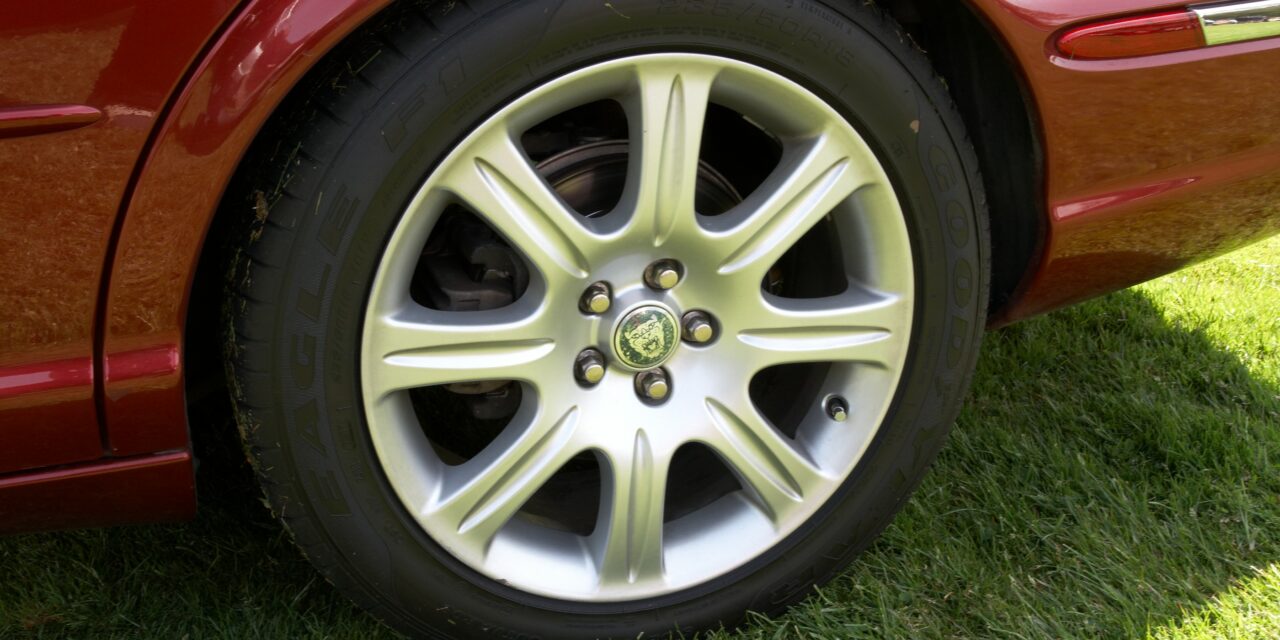
If you are pricing up alloy wheel refurbishment in the UK, a sensible starting point is around £50 to £90 per wheel for a minor cosmetic smart repair, around £80 to £130 for a standard full refurbishment, and around £100 to £150 or more for a diamond-cut wheel. Bigger wheels, heavier corrosion and more complex finishes usually push the price up.
That is the short answer, but the real bill depends on what kind of damage you have and what finish is on the wheel. If you only have light kerb rash on one painted wheel, the price can stay fairly modest. If you need a proper strip, repair and refinish on a larger diamond-cut wheel, the quote rises quickly.
Quick answer: typical alloy wheel refurbishment costs in the UK
| Job type | Typical UK price per wheel |
|---|---|
| Minor cosmetic smart repair | £50 to £90 |
| Standard painted wheel refurbishment | £80 to £120 |
| Powder-coated refurbishment | £90 to £130 |
| Diamond-cut refurbishment | £100 to £150+ |
| Severe damage, cracks or buckles | Usually quote-only, and replacement can be better value |
These ranges are a practical guide rather than a fixed tariff. Checkatrade currently puts the average alloy wheel repair cost at about £84 per wheel, with a broader range of roughly £50 to £175 depending on finish and damage. RAC advice also points to around £65 for minor repairs, from about £95 for corrosion or welding work, and up to around £150 for a full refurbishment.
What changes the price most
1. The finish on the wheel
A painted wheel is usually the cheapest to put right. Powder-coated refurbishments often cost a little more because the process is more involved and the wheel needs proper preparation and curing. Diamond-cut wheels are usually the most expensive because the face has to be precision-machined after the coating work.
In practice, that is why many quotes that look fine for a basic silver wheel jump once the garage realises the wheel is diamond cut.
2. Cosmetic damage versus structural damage
A light kerb scrape around the rim edge is very different from a wheel that is cracked, bent or badly corroded. Cosmetic damage is usually the sweet spot for refurbishment. Structural problems are where costs become less predictable.
If a wheel is cracked or badly buckled, some specialists can repair it, but not every damaged wheel is worth saving. In those cases, a replacement wheel can be the safer or more economical answer once labour, refinishing and balancing are added up.
3. Wheel size
Larger wheels usually cost more to refurbish. An 18-inch or 19-inch wheel often attracts a higher quote than a 16-inch wheel, especially if it has a complex finish or if the tyre has to be removed and refitted as part of the job.
4. Mobile smart repair or full workshop refurbishment
Mobile repair services can be a good value option for light cosmetic damage because they save time and overheads. They are often the cheapest route when you only want one wheel tidied up well enough to remove obvious kerb rash.
A full workshop refurbishment is usually the better route when the wheel has corrosion, peeling lacquer, previous poor repairs or a more demanding finish. It costs more, but the finish is normally better and more durable.
How much does diamond-cut alloy wheel repair cost in the UK?
Diamond-cut wheels usually sit at the top end of the pricing ladder. A realistic guide is around £100 to £150 per wheel, and sometimes more on larger or more complex wheels. That is because the face of the wheel is cut back on specialist equipment after the wheel has been prepared and refinished.
It is also worth remembering that diamond-cut wheels cannot be cut indefinitely. If a wheel has already been refurbished before, a specialist may tell you there is not enough material left for another proper cut. When that happens, you may be offered a painted finish instead, or told to replace the wheel.
Refurbishment versus repair: which is better value?
If the damage is only localised, a cosmetic repair can be the cheapest option. That is especially true if you have one wheel with light kerb rash and the other three still look tidy.
A full refurbishment tends to make better sense when:
- the lacquer is peeling
- corrosion is showing through the finish
- several wheels need attention at once
- the wheels are starting to look tired overall
- you want the best chance of a near-factory appearance
If you are planning to sell the car, a full refurb on all four wheels can lift the presentation nicely. If you are keeping the car and only one wheel is marked, a smart repair may be the more sensible spend.
When replacement may be the smarter choice
Refurbishment is not always the answer. Replacement can make more sense if:
- the wheel is cracked in a critical area
- it is badly bent after a pothole strike
- corrosion has gone too far under the finish
- the cost of repair is getting close to the price of a sound used or new wheel
- the wheel has already been diamond cut before and cannot be cut again properly
If you have just hit a pothole or kerbed the car hard enough to damage the wheel, it is also worth checking for tyre sidewall damage and alignment issues. If the car now pulls to one side or the steering feels off-centre, read our guide to wheel alignment vs tracking as well.
How to get a fair quote
When you ask for prices, try to get like-for-like quotes. The cheapest figure is not always the cheapest overall if it excludes tyre removal, balancing or VAT.
Ask these questions first:
- Is the quote for a cosmetic repair or a full refurbishment?
- Is tyre removal and refitting included?
- Is balancing included afterwards?
- Is the price plus VAT or fully inclusive?
- Is the wheel painted, powder coated or diamond cut?
- Is there any extra cost if the wheel is bent or cracked?
Photos help, but if the wheel has taken a heavy impact it is better to let a specialist inspect it properly before agreeing to the work.
Is alloy wheel refurbishment worth it?
Usually, yes, if the damage is cosmetic and the rest of the wheel is sound. Refurbishment is often much cheaper than replacing an OEM alloy wheel, and it can make a used car look noticeably smarter.
For many owners, the best value comes from matching the repair to the damage:
- light kerb rash: smart repair
- multiple shabby wheels: full refurbishment
- diamond-cut finish: expect higher costs and check whether another cut is possible
- structural damage: get a specialist opinion and compare with replacement cost
FAQ
How much does it cost to refurbish all four alloy wheels in the UK?
A rough ballpark is about £320 to £520 for four standard wheels, and about £400 to £600 or more for four diamond-cut wheels, depending on size, finish and damage.
Is powder coating better than a quick cosmetic repair?
If the wheel has corrosion or tired lacquer, yes, a proper workshop refurbishment is usually more durable than a quick cosmetic tidy-up. If the damage is only a fresh kerb mark on one wheel, a smart repair can still be the better-value option.
Can cracked alloy wheels be refurbished?
Sometimes, but it depends on where the crack is, how severe it is and whether a reputable specialist is willing to repair it. Not every cracked wheel should be repaired, and some are better replaced.
Why is diamond-cut alloy wheel repair more expensive?
Because the wheel face needs extra machining after the refinishing work. That adds time, equipment and cost.
Bottom line
For most UK drivers, alloy wheel refurbishment costs start at around £50 to £90 per wheel for minor cosmetic work, rise to around £80 to £130 for a full standard refurbishment, and usually reach around £100 to £150 or more for diamond-cut wheels.
If you want the best value, get a quote that clearly states the finish, what prep work is included and whether balancing is part of the price. That makes it much easier to compare a cheap cosmetic fix with a proper long-lasting refurb.


Trackbacks/Pingbacks