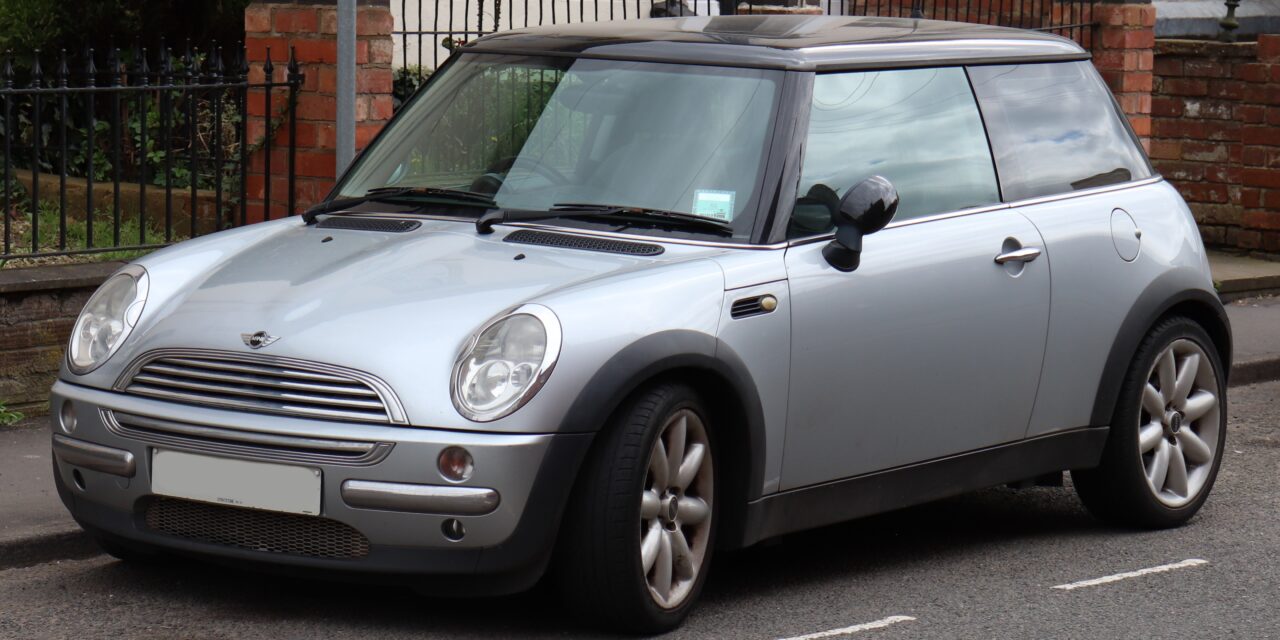
If your MINI has a brake light switch fault, it can fail its MOT, but not because the tester is checking the switch itself. The real issue is whether the stop lamps come on immediately when you press the brake pedal and go off again when you release it. If the switch is faulty and the brake lights do not respond properly, that is where the MOT problem starts.
Quick answer
A MINI can fail its MOT if a faulty brake light switch stops the brake lights working properly, causes a delay, or leaves the lights stuck on. Under the DVSA MOT inspection manual, stop lamps must light up immediately when the brake is applied and switch off immediately when the brake is released.
Why the brake light switch matters on an MOT
The brake light switch sits near the brake pedal and tells the rear stop lamps when to turn on. On many cars, including MINI models, it can also feed information to other systems, but for the MOT the key point is simple: the tester checks what the stop lamps do, not the switch hidden behind the pedal.
According to the DVSA MOT inspection manual, all stop lamps must light up immediately when the brake is applied and switch off immediately when the brake is released. If they do not, the car can fail.
That means a faulty brake light switch can lead to three common MOT outcomes:
- the brake lights do not come on at all
- the brake lights come on with a noticeable delay
- the brake lights stay on after you release the pedal
If all stop lamps are missing or inoperative, that is a dangerous defect. A delayed switch operation is a major defect. If the brake lights remain on when the brakes are released, that is also recorded as a dangerous defect.
What usually happens on a MINI
The MOT rule is the same for every car, but MINI owners often search this problem because brake light switch faults can be confusing. The switch itself is cheap compared with many electronic parts, yet the symptoms can look more serious than they really are.
On a MINI, you may notice:
- brake lights that work intermittently
- brake lights stuck on after parking
- no brake lights unless you press the pedal unusually hard
- dashboard warnings linked to brake or stability systems
- odd cruise control behaviour on some models
Not every one of those symptoms automatically means the switch has failed, but they are enough to justify a proper check before an MOT.
Will a MINI fail if only one brake light is out?
Possibly, yes.
Most modern MINIs need two working stop lamps, one on each side. If one lamp is out, the tester will record the defect based on how many light sources are not functioning and whether the remaining lamp arrangement still meets the rules. In practice, if a switch fault stops both main brake lights from working properly, the car is in much bigger trouble than a simple bulb failure.
That is why it is important to work out whether the problem is the bulb, the lamp unit, wiring, fuse, or the switch itself.
Common causes of a MINI brake light switch MOT fail
1. The switch has worn internally
Brake light switches are mechanical-electrical parts that are used every time you drive. Over time, the contacts can wear or become unreliable, especially on older cars or cars used heavily in traffic.
2. The switch is out of adjustment
Some switches need to sit in the correct position against the brake pedal. If the switch has been disturbed during earlier repairs, or fitted poorly, the brake lights may trigger too late, too early, or stay on.
3. The real fault is a bulb or lamp issue
It is easy to blame the switch when the actual fault is a blown bulb, corroded lamp holder, bad earth, or damaged rear light unit. That is why a quick visual check at the back of the car matters before ordering parts.
4. Wiring or connector issues
If the switch plug is loose, corroded or damaged, the symptom can look exactly like a failed switch. Some intermittent faults come from the wiring loom rather than the switch body.
How to check it before the MOT
You do not need full workshop equipment to catch the obvious problems.
Start with a basic brake light check
Ask someone to stand behind the car while you press the brake pedal, or reverse up to a reflective surface and check the glow.
Look for:
- both brake lights coming on straight away
- no noticeable delay after pressing the pedal
- the lights going off as soon as you release it
- no warning messages suggesting a lighting or brake-related fault
If the lights stay on when the pedal is released, do not ignore it just because they still illuminate. That can still fail the MOT, and it is a safety issue for drivers behind you.
Rule out the simple stuff
Before assuming the switch is bad, check:
- the rear bulbs, if your MINI uses replaceable bulbs
- lamp holders for corrosion or heat damage
- the relevant fuse
- whether one side is affected or both
- whether the fault happens every time or only occasionally
A switch fault often affects both stop lamps together. A single dead lamp is more likely to be a bulb or lamp unit issue.
Can you drive a MINI with a bad brake light switch?
You should be careful here.
If the brake lights are not working properly, the car may not be roadworthy. If they stay on permanently, that can also confuse other road users and flatten the battery if left long enough. If the MOT has already expired, the usual legal rules still apply. In Great Britain, you cannot drive on the road without a valid MOT except to a pre-booked MOT test or to and from repairs.
Typical repair cost in the UK
A MINI brake light switch is usually not an expensive part.
Rough guide prices are often:
- brake light switch part: around £10 to £35
- fitted at an independent garage: often about £50 to £120 in total
- extra diagnostic time if the cause is uncertain: more on top
If the problem turns out to be wiring, a rear light unit, or a deeper electrical fault, the cost can rise quickly. That is why a proper diagnosis matters more than fitting random parts.
Is this a serious warning sign when buying a used MINI?
Not necessarily.
A past MINI brake light switch MOT fail is usually a fixable electrical fault, not a reason on its own to walk away from the car. What matters is the pattern. A one-off fail followed by a clean retest is far less worrying than repeated electrical defects, recurring lighting problems, or a seller who cannot explain what was repaired.
If you are checking a used car, it is worth looking at the rest of the MOT history too. Repeated lighting and electrical advisories can point to neglect rather than one faulty switch.
What to do before a retest
If your MINI failed or looks likely to fail, the sensible order is:
- confirm whether the brake lights are delayed, inoperative or stuck on
- check the bulbs and rear lamp units first
- inspect or test the brake light switch and its connector
- replace the switch if it is confirmed faulty
- make sure the lights now respond instantly before the retest
It is also worth giving the rest of the car a quick once-over before rebooking. Other simple lighting faults can catch people out on the same test. If you are already working through MOT prep, our guides on registration plate light failures, missing rear reflectors, and hazard switch MOT issues cover a few other easy-to-miss lighting checks.
Verdict
A MINI brake light switch fault can absolutely cause an MOT failure, but only because it affects the stop lamps the tester sees in operation. If the brake lights do not come on immediately, work only intermittently, or stay on after you release the pedal, the car is likely to fail and may even pick up a dangerous defect.
The good news is that this is often one of the more fixable MOT-related electrical faults. Check the bulbs, confirm the symptom, and do not ignore a switch that is slow or inconsistent. Sorting it before test day is usually much cheaper and less stressful than failing first.