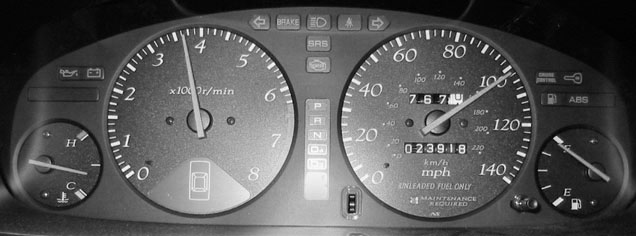
If the ABS light stays on, your car is at real MOT fail risk in the UK because the tester will treat it as a fault in the anti-lock braking system. A normal start-up self-check is fine. A light that stays illuminated is not.
The short answer
The practical rule is straightforward:
- ABS light on briefly at ignition, then off: normal
- ABS light stays on with the engine running: expect a failure risk
- ABS light plus brake warning light: treat the car as a higher-priority fault
Braking-system warnings are not the sort of thing to leave until the day before the test.
Why it matters at MOT time
ABS exists to help maintain control under heavy braking. A fault light does not always mean the car has no brakes, but it does mean the anti-lock system is not working as intended or cannot prove that it is. From an MOT point of view, that matters.
What to check first
Good first checks include:
- ask for a fault-code scan rather than a blind light reset
- check battery condition and charging voltage if the warning appeared after a flat battery
- inspect wheel-speed sensor areas if a garage suspects dirt, damage or wiring issues
- pay attention to any grinding, pulsing or odd low-speed braking behaviour
- do not ignore a second brake-system warning if it appears at the same time
Many ABS faults are sensor or wiring related, but you still need a proper diagnosis.
Can you drive it?
A steady ABS light often still lets the car drive normally, but emergency braking behaviour may not be normal. If the main braking feel is poor, the brake warning light is also on, or the pedal feels wrong, treat it as unsafe until checked.
What it usually costs to sort
Repairs range from relatively modest sensor and wiring jobs to larger bills if the fault sits in the pump, module or reluctor ring area. The price spread is wide, so the cheapest sensible step is usually diagnosis first, parts second.
More on Motoring Mojo
FAQ
Can an ABS light be caused by a weak battery?
Yes, sometimes. Low voltage can trigger warning lights or leave stored faults behind after a flat battery event. That still needs checking properly because the light could also point to a genuine ABS sensor or module fault.
Will an ABS light always mean expensive repairs?
No. Some cases are down to a wheel-speed sensor, corroded wiring or contamination around the hub. Others are far pricier. That is exactly why guessing is usually more expensive than paying for a proper scan.
Can I pass the MOT if the light goes out just before the test?
Only if the underlying problem is genuinely gone. If the warning returns during the normal checks or the fault is still present in practice, the problem has not really been solved.