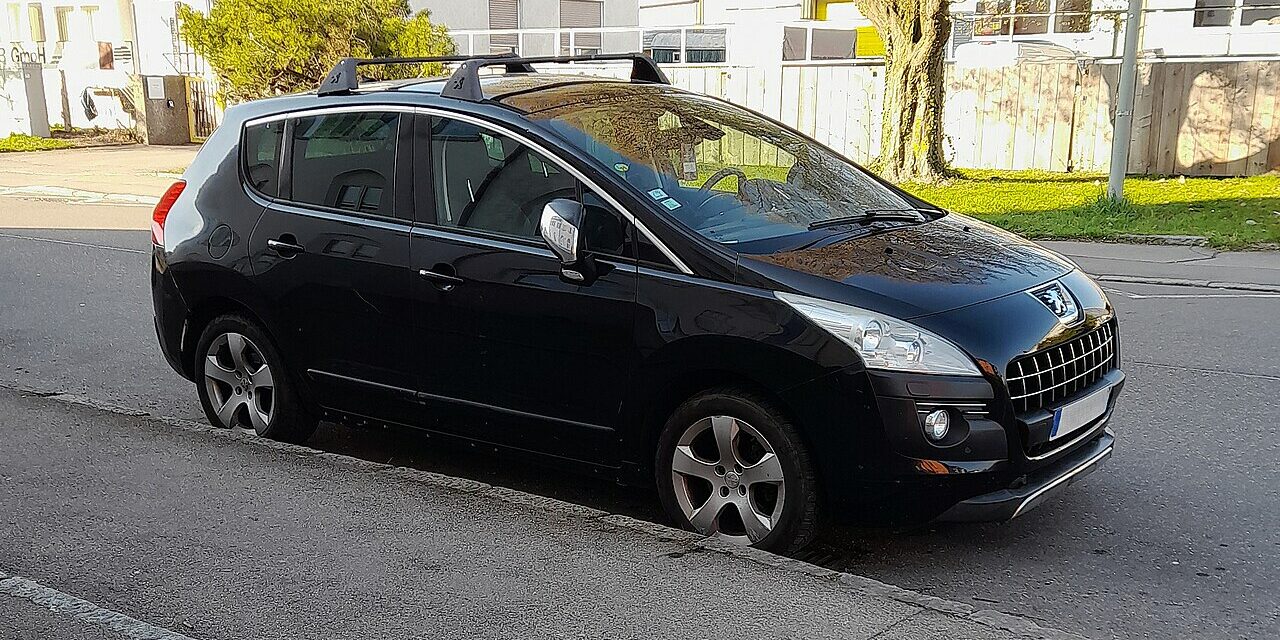
The Peugeot 3008 has been one of the more tempting family SUVs in the UK for years. It looks sharper than many obvious rivals, the second-generation car especially has a properly upmarket cabin, and a good one can still feel like a smart buy next to a Nissan Qashqai, Kia Sportage or Volkswagen Tiguan.
The catch is that not every used 3008 is equally sensible. Engine choice matters a lot, service history matters even more, and a cheap car with the wrong faults can turn into an expensive rescue project very quickly.
Quick answer
If you are buying a used Peugeot 3008 in the UK, focus first on the exact engine, then on the service record, warning lights, gearbox behaviour, tyre wear and recall history. Older 1.6 THP petrols deserve caution, neglected diesels can bite with DPF or emissions trouble, and later 1.2 PureTech petrol cars need proper proof that the timing-belt side of the servicing has been handled correctly.
Why the Peugeot 3008 needs a careful used-car check
A used 3008 is not automatically a bad idea. Far from it. The model is popular because it blends family-car practicality with a more premium feel than many mainstream SUVs. The problem is that the used market now includes everything from older first-generation diesels with patchy maintenance to newer PureTech petrol cars where paperwork matters as much as the test drive.
That means buyers should treat the 3008 as an engine-and-history decision, not just a trim-and-colour decision. A tidy example with detailed invoices can still be a very good buy. A superficially clean one with vague servicing can be the exact opposite.
Which used Peugeot 3008 generations matter most?
First-generation Peugeot 3008, 2009 to 2016
This is the cheaper part of the market and the area where you need to be pickiest. The first 3008 can still make sense if you want value, but the weaker cars are now old enough for missed servicing, worn clutches, diesel emissions issues and age-related electrical faults to stack up.
The 1.6 THP petrol is the version that deserves the most caution. If there is no convincing maintenance trail and no evidence that known petrol-engine issues have been dealt with properly, it is usually smarter to keep shopping. Diesel cars can work well, especially if they have been used properly for longer runs, but town-only use and incomplete maintenance are a bad combination.
Second-generation Peugeot 3008, 2017 onwards
This is the far better car in overall design, cabin quality and general appeal. It is the 3008 most people actually want. It is also the generation where engine research matters most before you hand over any money.
The headline issue here is the 1.2 PureTech petrol. Plenty of buyers still want one because it is common, efficient and easy to find on the used market, but this is the version where belt history, oil specification and servicing discipline need proper scrutiny. BlueHDi diesels can still suit high-mileage drivers, but you want proof that the emissions hardware has not been neglected and that the car has not lived an entirely short-trip life.
1. Older 1.6 THP petrol cars are the biggest gamble
On older 3008s, the turbocharged 1.6 THP petrol is the engine that makes most careful buyers pause. In UK used-car circles it has a long-standing reputation for being far more reassuring on paper than in neglected real-world examples.
The risk is not that every car will be troublesome. The risk is that a cheap or poorly documented one can bring expensive petrol-engine faults that wipe out any bargain appeal. If a seller cannot clearly show consistent servicing, good-quality repairs and a car that starts, idles and drives properly from cold, it is usually not the version to take a chance on.
A rough idle, hesitation, warning lights, a noisy cold start or evidence of half-finished diagnostic work should all make you more suspicious here than they would on a simpler naturally aspirated family car.
2. 1.2 PureTech petrol history is the big question on newer cars
On the newer 3008, the 1.2 PureTech petrol is the first thing informed buyers ask about. The reason is simple: by now, most used-car shoppers know that the timing-belt side of ownership needs proper documentary support, not vague reassurance.
If you are looking at a 1.2 PureTech car, ask direct questions. Has it been serviced on time? Was the correct oil used? Is there paperwork for belt inspections or replacement where relevant? Has any recall or manufacturer campaign work been completed? If the answers are fuzzy, that is not a small detail. It is the main detail.
This does not mean every 1.2 PureTech 3008 should be avoided. It means you buy the history as much as the car. A well-documented example is a different proposition from one that has simply been handed from owner to owner with stamp-book optimism.
3. BlueHDi diesel cars still need the right kind of life
A used 3008 diesel can still make sense in the UK if you do regular longer journeys. If you mainly crawl through town, it is much harder to argue for one.
Like many modern diesels, the BlueHDi and earlier HDi versions can become expensive when they spend too much time doing short, cold trips. DPF trouble, emissions warnings, EGR-related headaches and AdBlue system complaints are exactly the sort of problems that turn a seemingly sensible family SUV into a workshop regular.
That does not mean all diesel 3008s are bad buys. It means you should match the engine to your use. A motorway-driven diesel with a strong history can be sensible. A cheap short-trip diesel with recurring warning lights is the one to leave behind.
4. Gearbox choice matters more than some sellers admit
On older cars, the automated manual gearboxes can feel clumsy compared with a proper torque-converter automatic. Some buyers hate them within five minutes, even when nothing is technically broken. That matters, because an awkward low-speed drive can quickly turn school-run convenience into daily irritation.
A manual should have a clean shift, a sensible clutch bite point and no obvious slip or drivetrain shudder. An automatic should feel smooth when cold and when fully warmed through. If the car jerks badly, hesitates oddly or flashes up gearbox warnings, do not talk yourself into it just because the rest of the SUV looks tidy.
In general, later EAT6 and EAT8 automatics are the more reassuring choice than the older robotised setups, but even then the rule stays the same: drive it long enough to feel what it does in traffic, on part throttle and during repeated stop-start manoeuvres.
5. Electrical faults are usually manageable, but still worth testing properly
The second-generation 3008 helped sell itself on cabin design and tech, so you should make sure the tech still behaves like a car you would actually want to live with. A flaky touchscreen, dodgy parking camera, intermittent sensors or warning messages that a seller dismisses as normal are all worth taking seriously.
These faults are not always catastrophic, but they can be irritating, time-consuming and occasionally expensive to put right. Sit in the car and test everything you would use every week, not just the items the seller points out. That means the touchscreen, Bluetooth, climate controls, steering-wheel buttons, electric windows, parking sensors, reversing camera and driver-assistance settings.
6. Suspension, steering feel and tyres tell you a lot about how the car has been treated
A used 3008 should not feel loose, crashy or vague. If it knocks over rough roads, pulls to one side or wears its tyres unevenly, pay attention. A family SUV with a decent chassis and normal maintenance should feel composed, not tired.
Tyres are especially revealing. A matching set from a reputable brand suggests a more careful owner than four mismatched budget tyres. Uneven wear can also hint at neglected alignment, worn suspension parts or a car that has repeatedly hit kerbs and potholes without being sorted properly afterwards.
7. MOT history and recall checks are not optional
This is where too many buyers get lazy. Before you agree to buy any used 3008, check its GOV.UK MOT history and run the DVSA recall checker. If a car has repeated advisories for tyres, suspension, brakes, warning lights or emissions issues, that pattern matters.
Do the same with the service file. A stamped booklet on its own is better than nothing, but invoices are far more useful. You want to see what was actually done, when it was done and whether the car has already had the sort of work that worried you in the first place.
What to inspect before buying a used Peugeot 3008
Start it from cold
Try not to arrive after the seller has already warmed the engine up for you. Listen for rattles, rough idling, hesitation and any warning lights that appear and stay on.
Read the history file properly
Do not just count stamps. Look for evidence of the right oil, sensible intervals and real repair invoices. On petrols, belt or engine-related paperwork matters. On diesels, look for evidence of emissions-system or servicing work that shows the car has not simply been run until something failed.
Check the tyres and suspension clues
Look for uneven wear, mismatched brands and signs that the car sits or drives awkwardly. These are often the easiest signs of a used SUV that has had a harder life than its paintwork suggests.
Test every screen, sensor and switch
The 3008 sells on feel and cabin quality, so test the parts that create that impression. If the screen freezes, the parking sensors misbehave or warning messages appear without a clear explanation, assume you may be the person paying to sort it.
Drive it in real conditions
A quick loop around the block is not enough. Drive it on slower roads, at traffic speed and on a faster stretch if possible. Check throttle response, gearbox smoothness, steering straightness, brake feel and whether any warning lights appear once the car is properly warm.
Which used Peugeot 3008 is the safer buy?
If you want the broad safer answer, it is usually a well-maintained second-generation car with detailed history and no unresolved warning lights, rather than a bargain-priced older car that needs you to trust the seller’s story.
Within the older range, buyers often feel more comfortable with a strong-history diesel than with a poorly documented 1.6 THP petrol. Within the newer range, the safest buy is rarely about trim level alone. It is the one with the clearest maintenance record, the cleanest MOT pattern and the least ambiguity around engine-specific servicing.
Is a used Peugeot 3008 a sensible buy in the UK?
Yes, it can be. The 3008 is popular for a reason, and the better examples still make a lot of sense as family transport. But this is not a car to buy lazily.
If you choose the right engine for your driving, insist on real paperwork and avoid cars with fuzzy history or obvious warning signs, a used Peugeot 3008 can be a smart UK buy. If you shop only on price, especially in the riskier engine ranges, it can become a very expensive way to learn why history matters.
The bottom line
A used Peugeot 3008 is worth considering, but only if you treat engine choice and maintenance proof as the main event. Buy on history first, condition second and promises last. That approach will usually tell you more than a polished advert ever will.