
If you need to fit three child seats, the usual family-car advice stops being very helpful very quickly. Plenty of cars have decent rear legroom, but that does not automatically mean they will take three seats across, leave enough space to reach the buckles or make school-run loading easy.
Quick answer
If you want the shortest shortlist, start with the Citroën C5 Aircross if you want a mainstream SUV that genuinely understands family life, and the Toyota Proace City Verso if you want the least stressful answer overall. If budget matters most, the Dacia Jogger is one of the smartest value picks in the UK. If you need a larger seven-seat option with more flexibility, the Ford Tourneo Connect, Toyota Proace Verso and Volkswagen Multivan all deserve a proper look.
The key point is simple: three child seats are usually easier in cars with three separate second-row seats or a boxier people-carrier shape than in fashionable SUVs with a wide-looking bench.
What matters more than badge or body style
Before the shortlist, it helps to know what actually makes a car work for three child seats:
- three separate second-row seats are usually better than one wide bench
- ISOFIX count and location matter, but belt-fitting flexibility matters too
- buckle access is a bigger deal than many buyers expect
- sliding rear seats can make it easier to juggle legroom and boot space
- wide rear door openings make daily loading far less annoying
- third-row seats can solve a problem, but they are not the same as a true three-across second row
Even the best cars here should still be treated as a shortlist, not a guarantee. Child seats vary hugely in width, base shape and how much space they need front-to-back, especially rear-facing i-Size seats. Always test-fit your exact seats before buying.
Best cars for three child seats in the UK
| Car | Why it stands out | Best for | Watch-out |
|---|---|---|---|
| Citroën C5 Aircross | Three individual rear seats and family-friendly layout | Families who want a normal-looking SUV | Only outer rear seats get ISOFIX |
| Toyota Proace City Verso | People-carrier shape and highly flexible second row | Easiest day-to-day child-seat life | It feels more van-based than a conventional SUV |
| Ford Tourneo Connect / Grand Tourneo Connect | Flexible 5- or 7-seat layout with removable rear seats | Big families who want versatility without huge size | More functional than stylish |
| Nissan X-Trail | Useful seven-seat option with sliding second row | Families wanting an SUV with occasional row-three help | Not a guaranteed true three-across solution for bulky seats |
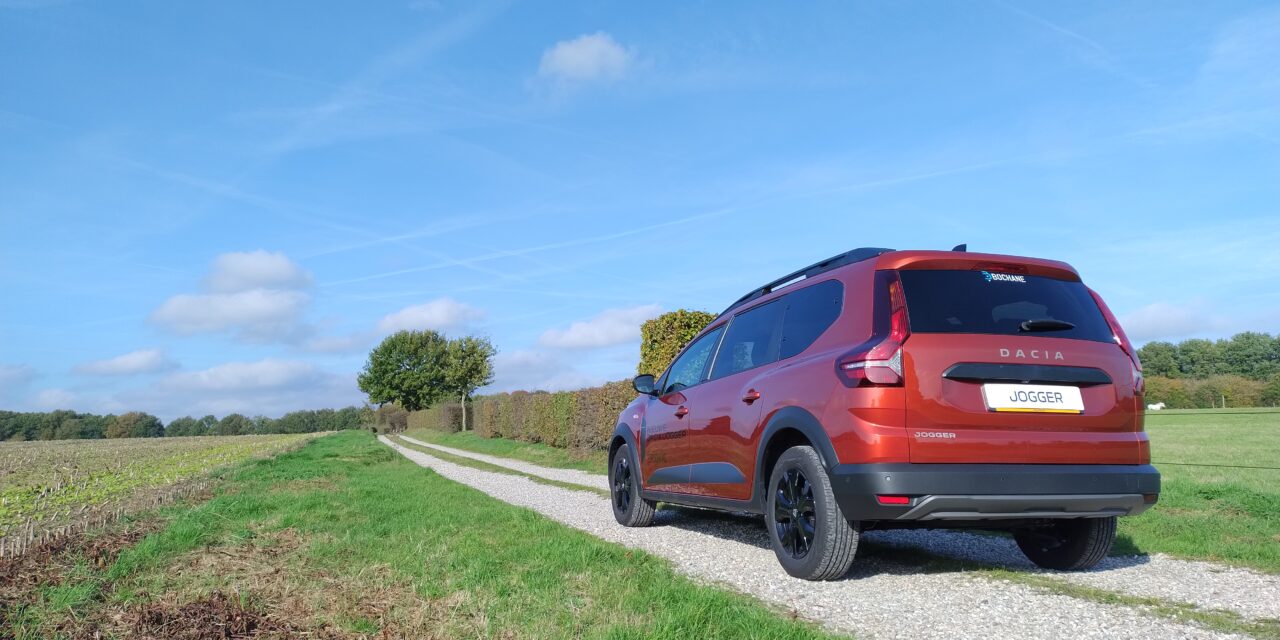
| Dacia Jogger | Affordable seven-seat family car with genuine versatility | Budget-conscious buyers | Compromise is more obvious than in pricier rivals |
| Toyota Proace Verso | Serious family-space answer with flexible seating | Larger families, older children and long trips | Big footprint for daily urban use |
| Volkswagen Multivan | Premium modular cabin with huge flexibility | Families who want maximum adaptability | Expensive compared with the rest |
Citroën C5 Aircross
The C5 Aircross is one of the easiest mainstream SUVs to recommend because it does something many rivals do not: it gives you three full-size individual rear seats. That matters because separate chairs tend to make child-seat placement, buckle access and passenger comfort much easier than a single bench.
Citroën also makes the family brief fairly explicit. The C5 Aircross has space for three rear child seats, with ISOFIX on the outer rear seats and the front passenger seat. In real life, that means it works best for families mixing ISOFIX and belted seats rather than assuming every position works the same way.
Why it earns a place here:
- one of the clearest true three-across SUV options
- sliding and reclining rear seats add useful flexibility
- easier to live with than a full-size people carrier
- still offers the higher driving position many family buyers want
If you want a family SUV rather than an MPV-style solution, this is the place I would start.
Toyota Proace City Verso
If you care more about actually fitting three child seats than looking fashionable on the driveway, the Proace City Verso makes a huge amount of sense. Its shape is the point. You sit in a boxier, taller cabin with more useful width, big door apertures and a second row that can be configured with three individual seats.
Toyota says both the individual-seat and split-bench layouts feature ISOFIX, but for this job the individual-seat setup is the one to hunt down. That layout is far closer to the kind of family-friendly design that makes repeated child-seat fitting less stressful.
Why it works so well:
- proper people-carrier packaging beats many SUVs for child-seat reality
- high roof and wide openings make buckling-in easier
- available as five- or seven-seater depending on what your family needs
- practical boot and cabin layout for prams, bags and daily clutter
For plenty of families, this is the answer that solves the problem with the fewest compromises.
Ford Tourneo Connect and Grand Tourneo Connect
The Tourneo Connect is another car that understands the assignment better than most crossovers do. Ford offers it as a 5- or 7-seater, and the rear seats can fold, tumble or be removed depending on what you need. That flexibility is exactly what matters when family life keeps changing.
The longer Grand Tourneo Connect is especially appealing if you need regular seven-seat use, but even the standard car is worth a look because the basic layout is so practical. Like the Toyota, it wins less on glamour and more on door shape, cabin height and day-to-day usability.
Why it deserves a shortlist place:
- boxy people-carrier proportions help with child-seat installation
- useful seven-seat option without stepping into something enormous
- flexible rear-seat layout gives you more ways to balance passengers and luggage
- a strong option if your needs change week to week
If you want a family car that behaves like a tool rather than a style statement, the Tourneo Connect is a very sensible answer.
Nissan X-Trail
The X-Trail is a good example of a car that can work well for three children without necessarily being the purest three-across answer. Nissan gives the three-row model a sliding second row and walk-in access to the third row, which makes it more useful for larger families than many similarly sized SUVs.
That said, Nissan’s own child-seat information makes clear that ISOFIX points are on the second-row outer seats, not the centre position. So the X-Trail is best treated as a flexible family SUV with an occasional third-row solution, rather than a guaranteed fit-any-three-seats miracle.
Why it still makes the list:
- more family-flexible than many seven-seat SUVs
- sliding second row helps with space management
- sensible option if one child can go in row three
- easier to recommend than many style-first SUV rivals
If you want an SUV and do not mind using the third row when needed, the X-Trail is one of the more convincing choices.
Dacia Jogger
The Jogger is here because value matters, and because Dacia has not forgotten that family buyers often just need space and flexibility at a sensible price. It comes with seven seats as standard in UK trim and offers a layout that can carry a proper family without demanding premium-car money.
It is not the most polished car here, and its second row is not as clever as the C5 Aircross or Proace City Verso. But for households trying to solve a genuine practical problem on a realistic budget, the Jogger is hard to ignore.
Why it makes sense:
- one of the cheapest real seven-seat answers in the UK
- flexible cabin and useful boot for the money
- a realistic option for growing families who need capacity more than prestige
- easier to justify than an expensive SUV bought mainly for image
Treat it as a budget workaround rather than the perfect three-across machine, and it becomes a very strong option.
Toyota Proace Verso
If your family setup is already pushing beyond what most cars can do, the Proace Verso starts to look like the grown-up answer. Toyota’s people carrier offers seven, eight or nine seats depending on version, plus a flexible cabin with sliding and removable seats and multiple ISOFIX fixings through the cabin.
That makes it less of a niche answer than it sounds. For families with three young children, grandparents, bulky pushchairs or regular holiday loads, space solves arguments.
Why it stands out:
- huge seating flexibility
- far easier to combine child seats, passengers and luggage
- useful if you need to keep child seats installed permanently while still carrying other people
- less compromised than most large SUVs for genuine family-duty use
The downside is obvious: it is a large vehicle. But if you truly need the space, that trade-off may be worth making.
Volkswagen Multivan
The Multivan is the premium end of this idea, and it earns its place because the seating concept is so flexible. Volkswagen gives it a modular cabin with up to seven seats, and the rear seats can be moved or removed to suit different family setups.
That makes it very appealing for buyers who want one vehicle to cover child seats, airport runs, bikes, holidays and occasional extra passengers without feeling like a van inside.
Why families should consider it:
- outstanding cabin flexibility
- easy access through sliding side doors
- enough room to adapt as children grow
- feels more upmarket than most people carriers
The catch is price. For many families, a Tourneo Connect or Proace City Verso will do the practical job for much less money.
So which type of car should you choose?
If your goal is true three-across convenience, I would focus first on the Citroën C5 Aircross and Toyota Proace City Verso.
If you mainly need to carry three children rather than three seats across one row, seven-seat cars such as the Nissan X-Trail, Dacia Jogger and Ford Tourneo Connect become more attractive.
If your family life involves lots of luggage, older children or regular extra passengers, the Toyota Proace Verso and Volkswagen Multivan are the least compromised long-term answers.
A few final buying tips before you commit
Take your own seats to the test drive if the dealer will allow it. That sounds obvious, but it is the step that saves expensive mistakes.
Pay close attention to:
- whether all three seats can be fitted without clashing
- how easy it is to reach the seat-belt buckles
- front-seat legroom once rear-facing seats are installed
- boot space left once every child is aboard
- whether you are relying on a third row you will actually use every day
If boot space is just as important as child-seat fit, our guide to the best family cars with big boots in the UK is worth a look. And if you are open to older MPV-style solutions, our piece on used family cars with sliding rear seats should help widen the shortlist.
Verdict
The best car for three child seats in the UK is usually not the one with the flashiest badge. It is the one with the smartest rear-seat layout.
For most buyers, the Citroën C5 Aircross is the best mainstream family-car answer, while the Toyota Proace City Verso is the easiest no-nonsense practical choice. If value matters most, the Dacia Jogger remains one of the strongest family bargains on sale.
Whichever route you take, do not buy on brochure confidence alone. With three child seats, a real-world test fit matters more than any spec-sheet promise.




Trackbacks/Pingbacks