If you are choosing a car with elderly passengers in mind, the sweet spot is usually a model that sits a little higher than a small hatchback without becoming a tall, bulky SUV. You want doors that open wide, seats you can slide across rather than drop into, a calm ride and enough space in the back for knees, feet and shopping.
For most UK buyers, the strongest shortlist starts with the Honda Jazz Crosstar, Renault Captur, Kia Niro, Skoda Karoq and Citroën C4. They are not identical, though. Some are better for easy access, some are better for rear-seat comfort, and some are better if you also need a decent boot or a compact footprint for town driving.
If your wider brief includes family practicality, our guides to family cars with big boots, family SUVs that are easy to park and used family cars with sliding rear seats are also worth a look.
What makes a car good for elderly passengers?
The basics matter more than badge or power output. A car that works well for older passengers tends to have:
- Seat height close to hip height, so you can slide in rather than climb down or haul yourself up.
- Wide door openings, especially at the rear.
- Supportive seats with enough cushioning and a natural backrest angle.
- A settled low-speed ride over potholes, speed humps and broken town roads.
- Good visibility and a cabin that does not feel dark or cramped.
- Simple controls if the older person will sometimes drive as well as ride.
- A manageable boot lip for walkers, folding wheelchairs or heavier bags.
That is why compact crossovers and clever superminis do so well here. They often deliver easier access than a conventional hatchback without the step-up and bulk of a large SUV.
Five cars worth shortlisting
1. Honda Jazz Crosstar
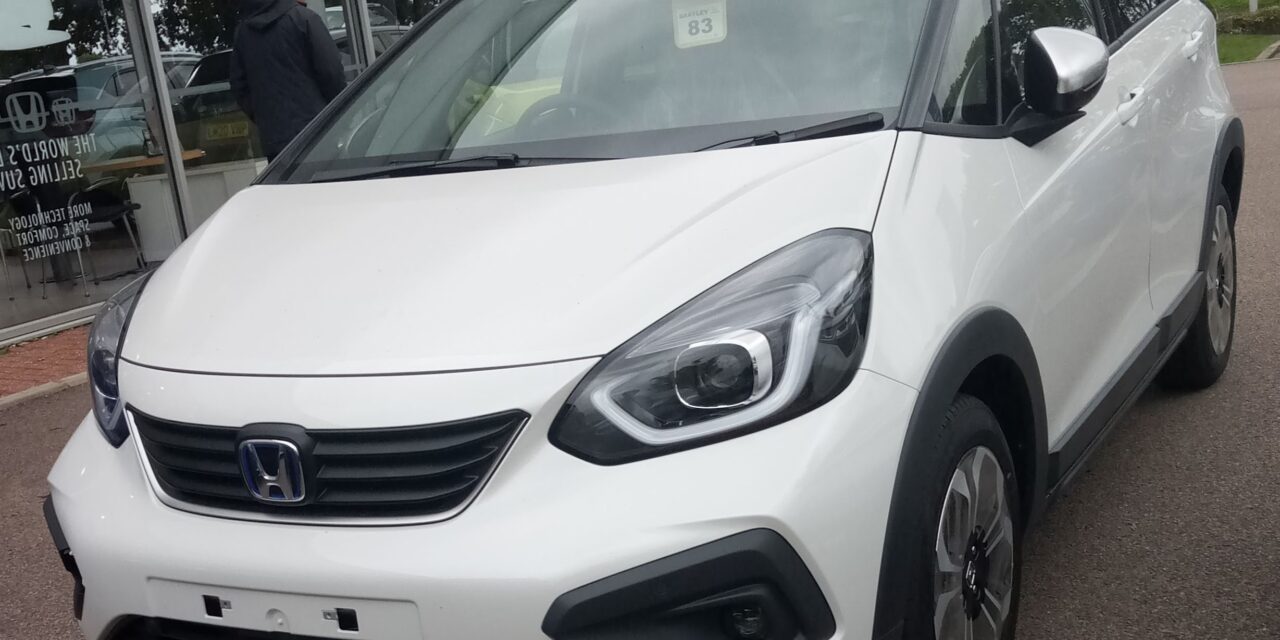
The Jazz has been an easy recommendation for older buyers for years because it gets the fundamentals right. The seating position is naturally upright, the cabin is airy and the controls are straightforward. Even better, the rear doors and rear seat area are more usable than the car’s modest footprint suggests.
The clever bit is the cabin flexibility. Honda’s rear-seat system makes it easier to load awkward items, while the tall roofline helps entry and exit feel less contorted than in many small hatchbacks. The Crosstar version adds a slightly more crossover-like stance, which many buyers find even easier to live with.
Why it suits elderly passengers: easy step-in height, excellent all-round visibility, simple cabin layout and genuinely useful rear space for the size.
Watch out for: it is not the softest-riding car in this list on rough roads, and motorway wind noise is more noticeable than in the larger options.
2. Renault Captur
The Captur is a smart choice if you want a compact car that still feels easy to enter. It sits high enough to avoid the knees-up seating position of many superminis, but it is still narrow and unintimidating around town. That makes it useful if one passenger values access and the driver values a car that is easy to place.
It also benefits from a sliding rear bench on many versions, which lets you trade a bit of boot space for extra rear legroom when comfort matters more than luggage. For older relatives who do not enjoy folding themselves into the back of a low car, that extra bit of height and door access can make a real difference.
Why it suits elderly passengers: raised seating position, manageable size, useful rear-seat flexibility and a cabin that feels less cramped than many rivals.
Watch out for: rear-seat width is only average, and some trim levels use larger wheels that can make the ride feel firmer than ideal.
3. Kia Niro
The Kia Niro is one of the easiest electrified crossovers to recommend if comfort and access are high priorities. It has a sensible step-in height, a roomy rear bench and a mature driving feel that tends to make passengers feel settled rather than bounced around.
It is also a good fit if the person using the car dislikes complicated ergonomics. Kia’s layout is cleaner than many new-car interiors, and the Niro’s shape gives you useful cabin and boot space without moving into a much larger class of vehicle. Hybrid versions make especially good sense for buyers who mostly do local and mixed driving.
Why it suits elderly passengers: easy ingress, strong rear-seat space, calm road manners and a practical boot.
Watch out for: higher-spec cars can get pricey, and if you mainly do short urban trips the larger body may feel less nimble than a Jazz or Captur.
4. Skoda Karoq
If you want something roomier and easier to access than a small crossover, the Karoq is a very strong middle ground. It gives you the higher seating position many older passengers appreciate, plus rear doors and cabin space that are simply easier to live with on a day-to-day basis.
It is also one of the most sensible choices if grandchildren, shopping, mobility aids or holiday luggage are part of the brief. Some versions come with Skoda’s flexible rear-seat arrangement, which is useful if you need to prioritise legroom one day and boot capacity the next.
Why it suits elderly passengers: wide-opening doors, generous rear room, good outward visibility and a more substantial ride than many smaller alternatives.
Watch out for: it is bigger than the Jazz, Captur and C4, so make sure the extra size does not become a parking nuisance in your normal routine.
5. Citroën C4
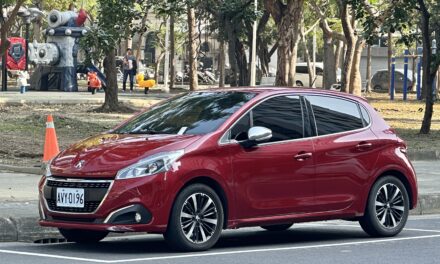
The C4 deserves a place here because it majors on comfort rather than sportiness. That is exactly the right priority for older passengers. The seating position is higher than a normal hatchback, the cabin feels relaxed, and Citroën’s comfort-focused setup can take the edge off poor urban roads better than many rivals.
It also feels less SUV-like than the Karoq or Niro, which some buyers prefer. If the person riding in the car dislikes a heavy climb up into taller vehicles but still wants more height than a conventional hatchback, the C4 hits a useful middle point.
Why it suits elderly passengers: comfort-led suspension, easy-access seating height and a generally relaxed cabin vibe.
Watch out for: rear headroom and visibility are not class-leading, so it is worth trying the back seat in person before committing.
Which one is best for different needs?
- Best for the easiest everyday access: Honda Jazz Crosstar
- Best if you want a small car that still feels grown-up: Renault Captur
- Best all-rounder if comfort and efficiency both matter: Kia Niro
- Best if space and practicality matter most: Skoda Karoq
- Best if ride comfort is the main priority: Citroën C4
What to check on a real test drive
Do not buy from a spec sheet alone. If you are choosing for an older parent, partner or regular passenger, take them with you and check the details that matter in real life:
- Can they get in and out without bracing on the door frame?
- Is the rear door aperture wide enough for stiff hips or knees?
- Does the seat base support their thighs properly?
- Can they fasten the seatbelt easily?
- Is the ride still comfortable over potholes and speed cushions?
- Can you load a walker or folding wheelchair into the boot without an awkward lift?
If mobility is becoming more limited, think beyond the car itself as well. Accessories such as a boot organiser, grab handle or lightweight folding mobility aid can help, but the biggest difference usually comes from choosing the right seat height and door shape in the first place.
The bottom line
The best cars for elderly passengers in the UK are usually the ones that make life feel easier every single day, not the ones with the most power or the flashiest cabin. For most buyers, that means starting with the Honda Jazz Crosstar, Renault Captur, Kia Niro, Skoda Karoq and Citroën C4.
Try the back seats properly, check the step-in height with the actual passenger who will use the car, and prioritise comfort over fashion. Get those basics right and the car will feel right long after the novelty of a showroom test drive has worn off.