If you have made a claim and now want to cancel your car insurance, the short answer is yes, you usually can. The expensive part is what happens next.
A claim does not vanish because the policy ends. You still need to declare it to future insurers, you may lose the no-claims year you were building, and if you pay monthly you can still be chased for money if you just cancel the Direct Debit and walk away.
That is where drivers get caught out. They assume cancelling the policy ends the problem. In reality, it often just changes the shape of the bill.
The short version
If you cancel after making a claim, these are the points that matter most:
- you normally can cancel the policy, but the claim stays on your record
- you are unlikely to earn an extra year of no-claims bonus unless you completed the full policy year
- if you pay monthly, you may still owe outstanding premium or settlement on the policy
- if the claim is still open, the insurer usually keeps handling it after cancellation
- stopping your Direct Debit is not the same thing as cancelling the policy
Citizens Advice says insurance customers have a minimum 14-day cooling-off period, but outside that window insurers will usually charge for time on cover and may add administration fees. It also warns that cancelling a Direct Debit does not cancel the policy and can leave you owing premiums anyway.
The Financial Ombudsman Service also makes an important point on no-claims bonus: it is normally a whole number. If you cancel 11 months into a 12-month policy, you would not usually get credit for that almost-completed year.
What usually happens if you cancel after a claim
The outcome depends on where you are in the policy year and whether the claim is closed.
| Situation | What usually happens |
|---|---|
| You made a claim but paid annually | You may be able to cancel, but any refund can be reduced sharply or disappear altogether once the insurer applies its cancellation terms and the claim status |
| You made a claim and pay monthly | You may still owe the remaining cost due under the policy finance arrangement or the insurer’s cancellation terms |
| The claim is still being investigated | The insurer normally continues handling the claim, but the incident still has to be declared when you shop for new cover |
| You are close to renewal | It is often cheaper to let the policy run to renewal, then switch, rather than pay mid-term cancellation charges and lose the year of no-claims bonus in progress |
That last row is the one many people overlook. If you are only a few weeks from renewal, cancelling early can be the worst-value move.
Does cancelling remove the claim from your record?
No.
Once an incident has been reported, it can still affect future quotes whether the claim was your fault, non-fault, or just logged as a notification while liability was sorted out. Even if you cancel the policy later, the event itself remains part of your insurance history and may still need to be disclosed when another insurer asks about claims or incidents in the last three to five years.
That is why cancelling is not a reset button. It only ends the cover from a chosen date.
What happens to your no-claims bonus?
This is where the timing matters.
The Financial Ombudsman Service says your no-claims bonus is normally expressed as a whole number of years. In practice, that means cancelling part-way through the year usually does not earn you the next year of bonus. If you started the policy with four years and cancelled 11 months into year five, you would usually still leave with four, not five, unless the insurer’s terms say otherwise and no fault claim has reduced it.
If the claim was a fault claim, or one the insurer treats as a fault claim for bonus purposes, your existing no-claims discount may also be reduced unless it was protected and the policy rules allow protection in that scenario.
Before you cancel, it is worth asking the insurer two direct questions:
- What no-claims bonus will show on my proof of bonus if I cancel on this date?
- Is the reported claim currently marked as fault, non-fault, or notification only?
Those answers matter more than the sales pitch on a comparison site.
If you pay monthly, be careful
Many drivers think monthly car insurance works like a streaming subscription. It does not.
In most cases you have bought a 12-month policy and are paying for it in instalments. If you cancel after a claim, the insurer may still calculate a balance owed under the policy or the linked credit agreement. Some insurers are blunt about this in their help pages, and comparison-site guidance also warns that a claim can wipe out any refund and leave monthly payers owing the rest.
The practical point is simple:
- do not cancel the Direct Debit first
- contact the insurer and ask for the cancellation figure in writing
- check whether any open claim changes the refund or balance
- ask for the exact cancellation date and proof once it is done
If you stop payments without formally cancelling, Citizens Advice warns you can still owe the insurer the premiums.
Will the insurer still deal with the claim after cancellation?
Usually, yes.
If the incident happened while the policy was active, the insurer will normally continue dealing with that claim after the policy ends. That can include repairs already authorised, third-party liability, injury handling, or ongoing arguments over fault.
But do not assume everything is frozen safely in the background. If the insurer needs information from you and you ignore it because you think the policy is over, you can create fresh problems for yourself. Keep all emails, answer requests promptly, and make sure the insurer has your current phone number and address if you move or change vehicles.
When cancelling is sensible and when it is not
Cancelling after a claim can make sense if:
- you have sold the car and are not replacing it soon
- the insurer cannot amend the policy to your new car on acceptable terms
- the premium has become unmanageable and you have a better confirmed alternative
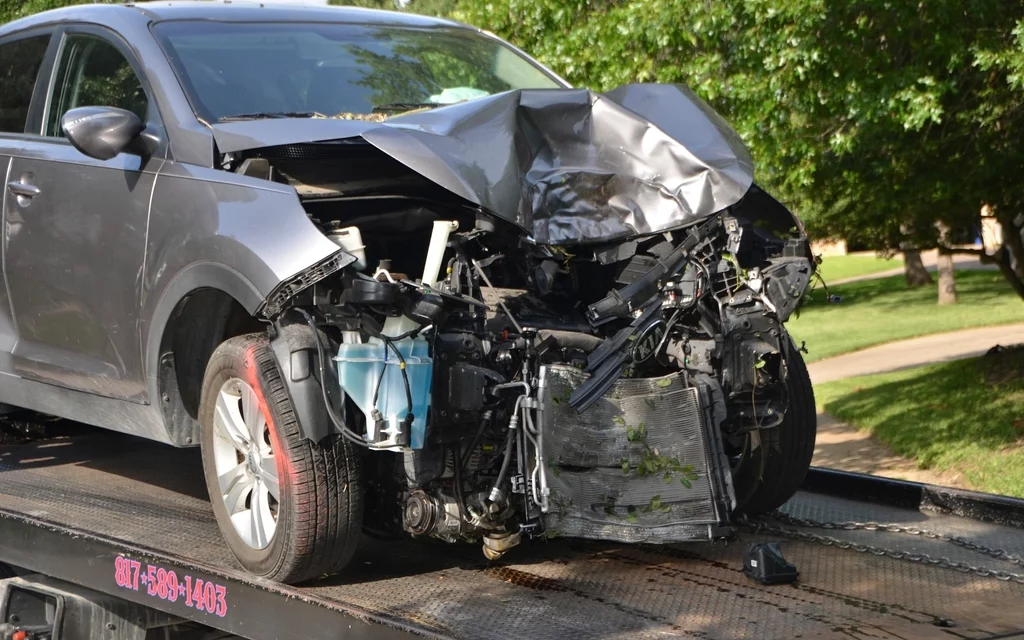
- you are ending cover because the vehicle is written off and there is no replacement lined up yet
It often makes less sense if:
- renewal is near
- you are trying to protect the next year of no-claims bonus
- the claim is still messy and you have not confirmed the insurer’s final treatment of it
- you are cancelling only because you think the claim will disappear from your history
A safer way to handle it
If you want out after a claim, use this order:
1. Ask the insurer for the numbers first
Request the cancellation date options, refund if any, fees, and whether any balance remains because of the claim or monthly payment structure.
2. Confirm your no-claims position
Ask what proof of no-claims bonus they will issue if you cancel on that date.
3. Sort replacement cover before ending the old policy
If you still need to drive, get the new policy accepted and double-check that the claim has been disclosed properly.
4. Cancel formally
Use the insurer’s stated process, usually phone, app, web chat, or secure message.
5. Keep the paperwork
Save the cancellation confirmation, any balance statement, and the proof of no-claims bonus.
Common mistakes that cost drivers money
Stopping the Direct Debit before cancelling
This is the classic one. The policy may stay live while unpaid instalments stack up.
Forgetting to declare the claim to the next insurer
Even if the old policy is gone, the claim still counts if the new insurer asks.
Assuming a non-fault claim changes nothing
A non-fault claim can still affect premium calculations even if it should not reduce no-claims bonus in the same way as a fault claim.
Cancelling a few weeks before renewal
That can mean fees, no extra year of no-claims bonus, and very little refund.
So, should you cancel?
Usually only if the numbers make sense after you have seen them in writing.
If you are close to renewal, keeping the policy running can be the cheaper and cleaner choice. If you are changing car, selling up, or the insurer cannot offer workable terms, cancellation may still be the right move, but only once you know the real cost.
The mistake is treating cancellation as an escape hatch. After a claim, it is usually just an admin decision with financial consequences attached.
For the legal minimum cooling-off rights and warnings on cancelling payment instructions, see Citizens Advice. For how no-claims bonus is treated when policies end mid-year, the Financial Ombudsman Service is the useful reality check.