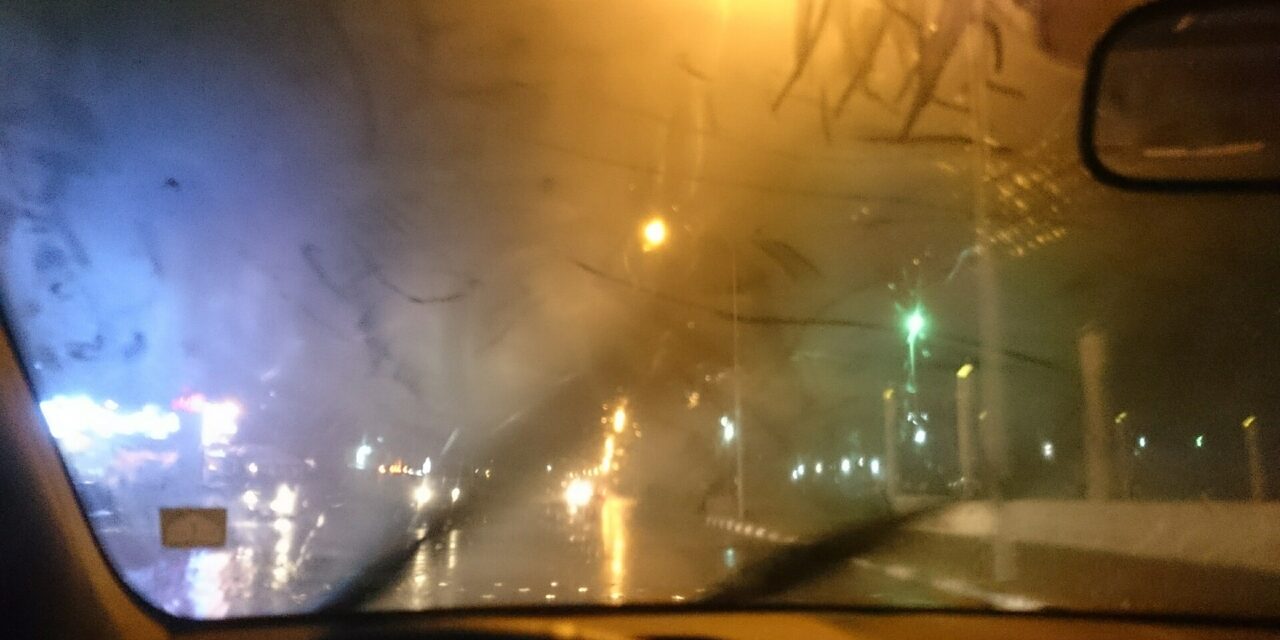
A windscreen that mists up from the inside can turn a routine morning into a frustrating wait. The temptation is to wipe a small gap and pull away, but that leaves blind spots exactly where pedestrians, cyclists and other traffic can disappear.
The quick answer is to use the car’s front-demist setting with the air conditioning on and recirculation off, then wait until the glass is properly clear. If the problem keeps returning, the car is usually holding too much moisture, or its ventilation is not moving enough air. Here is the safe UK routine and the clues worth investigating.
Do not drive with just a clear patch
Clear the windscreen, front side windows and mirrors before moving. The Highway Code’s Rule 229 says that before setting off you must be able to see and that windows should be demisted thoroughly. It is a winter rule, but the principle is exactly the same for ordinary internal condensation.
Do not rely on the wipers. They only deal with water on the outside of the screen. A misted inner surface needs dry air across the glass. A cloth can help with the last traces while parked, but wiping a damp screen with a sleeve or hand tends to leave smears that are worse in low sun and headlight glare.
The fastest way to demist a car windscreen
- Stay parked and select the front-demist symbol. On most cars this directs air towards the windscreen and raises the fan speed. If there is no dedicated button, aim the dashboard vents at the screen.
- Switch the air conditioning on. The air conditioning system removes moisture from the air as it operates. It can be useful in cold weather too, and many cars automatically engage it when front demist is selected. If the A/C button is available, make sure it is on.
- Turn recirculation off. Recirculation keeps the already humid cabin air moving round the car. Fresh-air mode lets the system replace it with drier outside air. The recirculation icon is normally a car with a looping arrow inside it.
- Use a warm temperature and a medium-to-high fan. Warm, dried air helps bring the glass above the dew point. Start with enough fan speed to shift the moisture, then reduce it once visibility is restored.
- Clear the rear screen and mirrors too. Use the heated rear window and mirror heaters if fitted. Give side windows a moment to clear, especially before joining traffic or changing lanes.
Controls differ, particularly on EVs and newer cars with touch-screen climate panels. The useful combination is still the same: air directed at the glass, A/C available, fresh air rather than recirculated air, and sufficient fan speed. Check the owner’s handbook if the demist function is not behaving as expected.
Why the screen mists in the first place
Condensation forms when warm, moist cabin air meets cold glass. Every occupant adds moisture by breathing, while wet coats, umbrellas, shoes and mats add more. A car that lives outside in autumn and winter therefore needs regular ventilation, even if nothing is mechanically wrong.
A brief mist-up on a cold, wet day is normal. A screen that takes ages to clear every journey, or returns soon after the fan is turned down, deserves a closer look. Start with the simple things:
- Take out wet mats and dry them. Check the carpet underneath, not just the surface. A soaked rear footwell can be easy to miss.
- Remove damp items from the boot and cabin. Sports kit, a leaking umbrella and wet dog towels can keep feeding moisture into the air.
- Vacuum leaves from the base of the windscreen. Leaves can block drainage channels on some cars, allowing water to collect where it should drain away. Do not poke tools into drains if you are unsure where they lead.
- Check the door and tailgate seals visually. Look for tears, trapped debris or obvious water marks after heavy rain. A wet patch appearing in the same place after rain is useful evidence for a garage.
- Consider the cabin filter and ventilation performance. A tired or blocked pollen filter can reduce airflow. It will not usually be the only source of moisture, but replacing it at the service interval can help the ventilation system do its job.
When misting points to a fault
Book an inspection rather than continually masking the symptom if you find standing water, persistently wet carpet, or a visible leak. Water can enter through door membranes, seals, blocked drains, body seams or a windscreen that has not sealed correctly. Finding the entry route matters more than simply drying the cabin once.
Be more cautious if the mist has a sweet smell, the screen develops a greasy film, or the coolant level is falling. Those signs can be associated with coolant entering the cabin air stream and need professional diagnosis. Do not keep topping up coolant or use a leak-sealing product as a substitute for identifying the problem.
If the fan is weak, noisy or only works on certain settings, the demist system may not have enough airflow. Equally, an A/C system that never engages may not dehumidify the cabin as well as it should. Mention the symptoms when booking the car in, including whether the issue is worse after rain or with passengers aboard.
Small habits that make winter mornings easier
On a dry day, run the ventilation for a few minutes in fresh-air mode before parking. Shake excess water from mats and remove anything wet from the cabin. Keeping the glass clean inside also helps: a film from interior cleaners, vaping or airborne residue catches moisture and makes glare more noticeable.
For an icy screen, deal with the ice as a separate job using an appropriate scraper and de-icer. Never pour boiling water on the glass. Once the outside is clear, use the ventilation controls to deal with any mist inside. The aim is not merely to create a hole to peer through. It is to restore a clear, usable view all round before the car moves.
The practical bottom line
Front demist, A/C on, recirculation off and a decent fan speed is the most reliable starting sequence. If that does not clear the screen promptly, or the problem is becoming a daily ritual, look for damp belongings, wet carpets and signs of a leak. Visibility is not a convenience feature: it is the first safety check of the journey.