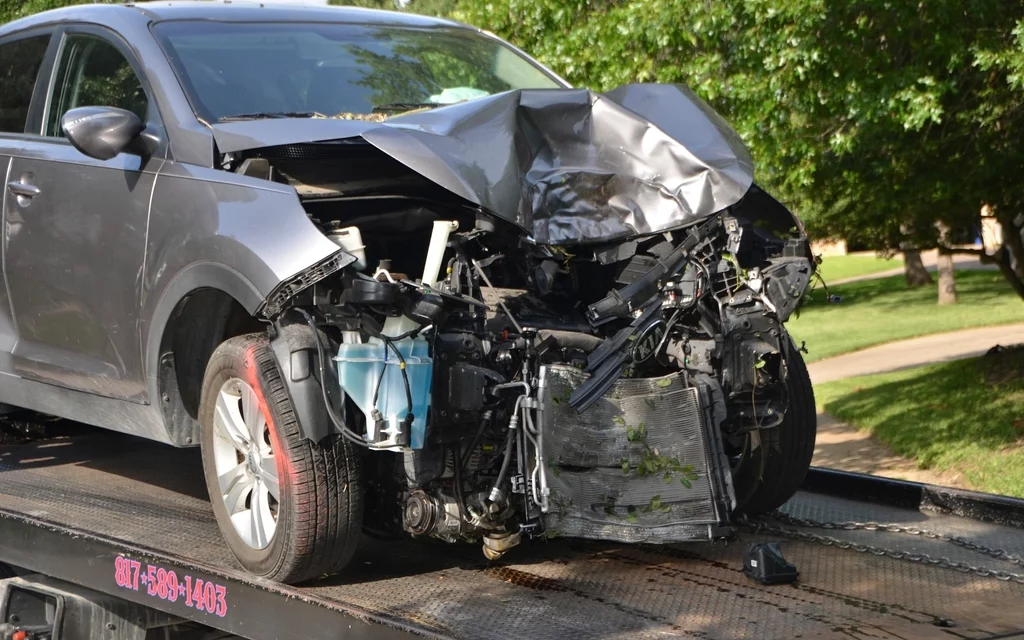
If another driver hits you, the part that feels most unfair often lands weeks later at renewal. You were not to blame, yet the premium can still rise.
That does not automatically mean your insurer has taken away your no-claims bonus. In the UK, your no-claims discount, your claims history and your renewal price are connected, but they are not the same thing.
Here is the practical version.
The short answer
A non-fault accident does not always reduce your no-claims bonus for the long term. But it can affect your policy while liability is still being sorted out, and it can still push up your premium even if your bonus stays intact.
The Financial Ombudsman says a non-fault claim can affect your no-claims bonus until your insurer recovers its costs from the other side. It also notes that if you are found not at fault by renewal, your no-claims bonus should not be affected, regardless of whether the claim is formally closed yet.
That is the part many drivers miss. The bonus and the final price are separate.
Why your price can rise even when your bonus survives
Insurers price risk using more than just your no-claims discount. A recent accident, even a non-fault one, can still make you look more likely to claim again. That can feed into the base premium before any discount is applied.
The AA and Admiral both make this point clearly. Protected no-claims bonus usually protects the discount, not the full renewal price. So you can keep the bonus and still get a more expensive quote next year.
In plain English, this is what can happen:
- your base premium goes up because you now have a recent incident on record
- your no-claims discount is then applied to that higher base premium
- the final number is still higher than last year
That is why drivers sometimes feel as if their insurer has ignored their protected bonus when, technically, it has not.
When a non-fault accident can temporarily affect your bonus
There are two timings that matter.
First, your insurer may initially treat the claim as open or unresolved while it works out liability and tries to recover its outlay. During that period, your no-claims position may look uncertain on the file.
Second, renewal can arrive before recovery is finished. If fault has not been resolved by then, the insurer may quote on the basis of an open claim. If costs are later recovered and liability is settled in your favour, that can change the no-claims outcome, but the renewal pain may already have happened.
The Ombudsman also points out another awkward detail. Even if the accident is eventually classed as non-fault, you usually do not earn an extra year of no-claims bonus for a policy year in which a claim happened. So the issue is not always that you lose years you had already built up. Sometimes it is that you simply do not add another year.
What counts as a fault claim to an insurer
In everyday conversation, fault means who caused the crash. In insurance, fault often comes down to whether your insurer got its money back.
If your insurer cannot recover its costs in full, the claim may still be treated as fault for no-claims purposes, even if the road situation feels morally clear to you. Common reasons include:
- the other driver disputes liability
- the other driver was uninsured or untraced
- there was a split liability settlement
- there was not enough evidence to recover the outlay
That is why evidence matters so much. Photos, dash-cam footage, witness details and a clear account of events can make the difference between a clean recovery and months of argument.
What if you reported it but did not claim?
This is where drivers can get tripped up.
The Ombudsman says that if you simply report an incident and pay for your own damage, the file should be recorded as notification only, with no reduction to your no-claims bonus. If it was a non-fault accident and you did not intend to claim, your insurer should only treat it as a claim if the third party then makes one against you.
That distinction matters when you are filling in future quote forms. A notification-only incident is not the same thing as a settled fault claim, but you still need to answer insurers’ questions exactly as asked. Some ask about accidents or incidents of any kind, not just claims.
Does protected no-claims bonus solve it?
Not completely.
Protected no-claims bonus can be worth having if you have built up several years and want to preserve the discount after certain claims. But it is not a shield against premium rises. Admiral states this directly, and the AA says much the same.
What it can do:
- preserve some or all of your discount after claims, depending on the insurer’s rules
- reduce the hit from a claim that would otherwise cut your no-claims years
What it does not do:
- stop the underlying premium rising
- stop an insurer rating you differently after an incident
- guarantee the cheapest renewal quote
So if your renewal jumps after a non-fault crash, protected bonus may still have worked exactly as designed. It just does less than many drivers assume.
How to stop a non-fault claim causing more damage than it should
You cannot control the accident after it has happened, but you can improve how the claim is handled.
1. Gather evidence early
Take photos of the vehicles, damage, road layout, number plates and any relevant signs or markings. Save dash-cam clips before they are overwritten. Get witness names and contact details if possible.
2. Report the incident promptly
Even if you think you will not claim, tell your insurer if the policy requires it. Late reporting can create a second problem that is much harder to argue away later.
3. Ask how the file is being recorded
If you are not claiming for your own damage, ask whether the incident is logged as notification only. If the other side later claims, ask how that changes the status.
4. Check the renewal wording carefully
If the renewal arrives before liability is settled, ask the insurer whether the quote assumes an open claim or a fault claim. If the other side has already admitted liability, say so and provide the evidence.
5. Keep an eye on recovery progress
Ask whether your insurer has recovered its costs in full. For no-claims purposes, that answer often matters more than your own view of who was to blame.
6. Shop around with the facts presented consistently
When comparing quotes, describe the incident the same way every time. If it was non-fault and the insurer recovered costs, say that. If it is still open, say that instead. Inconsistent answers can create trouble later.
Should you challenge the outcome?
Sometimes, yes.
If your insurer has kept the claim marked as fault after liability was resolved in your favour, or if it has reduced your no-claims bonus in a way that does not fit the policy terms, ask for a written explanation first. If the answer is still not convincing, use the insurer’s complaints process. After that, UK consumers can take the dispute to the Financial Ombudsman Service.
The strongest complaints usually include:
- the insurer’s own wording about no-claims bonus and fault claims
- proof that the other side accepted liability, or that recovery succeeded
- the renewal documents showing how the claim affected the quote
The bottom line
A non-fault accident can be financially annoying without being a no-claims disaster. Those are not the same thing.
Your no-claims bonus may be preserved once liability is settled and costs are recovered, especially if that happens by renewal. But your premium can still rise because insurers rate the fact that an accident happened at all.
If you want the best chance of a fair outcome, focus on evidence, ask how the claim is recorded, and do not assume that protected no-claims bonus means price protection. It does not.
If you are switching insurers soon, keep your paperwork tidy. Our guide to proof of no-claims bonus explains what the next insurer will usually ask for, and our piece on car insurance excess helps if you are also weighing whether it is worth claiming at all.
Quick FAQs
Do I lose my no-claims bonus after a non-fault accident?
Not necessarily. If your insurer recovers its costs and you are found not at fault, your bonus may stay intact. But an open claim can still affect matters until recovery is sorted out.
Can my premium go up after a non-fault accident?
Yes. That is common. Your claims history can affect the base price even if your no-claims discount is unchanged.
Does protected no-claims bonus stop my renewal rising?
No. It usually protects the discount, not the whole premium.
If I only notified my insurer, is that still a claim?
Not always. The Ombudsman says a report with no payout from your insurer should be recorded as notification only, unless a third party claim turns it into a live claim.
Do I need to tell a new insurer about a non-fault accident?
Usually yes, if the question asks about accidents, incidents or claims, whether fault or non-fault. Answer exactly what the insurer asks on the quote form.