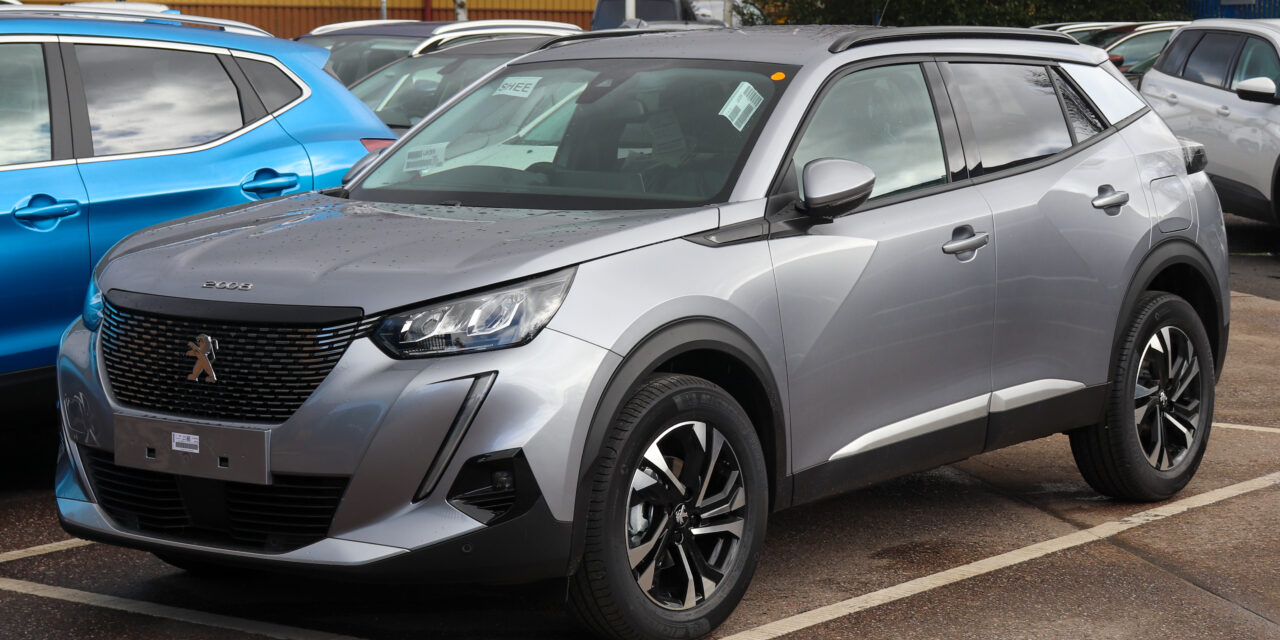
If you are shopping for a used Peugeot 2008, the engine choice matters more than the trim badge.
That might sound odd for a small SUV that sells itself on styling, cabin design and a premium-feeling interior, but it is the right way to approach this car. A good 2008 can feel smarter and more upmarket than many rivals, with a useful 434-litre boot and just enough family practicality to justify the crossover shape. A bad one can leave you wondering why you paid extra for a stylish dashboard and a tiny steering wheel.
For most UK buyers, the second-generation car introduced for 2020 is the one worth focusing on. It looks sharper than the old model, got a facelift in 2023 and is widely available on the used market in petrol, diesel and later hybrid forms. The trick is knowing which versions make sense, and which checks matter before you hand over any money.
Why the Peugeot 2008 keeps making used-car shortlists
The 2008 does a lot right on first impression. Reviews from Parkers, Drive and Auto Express all land in roughly the same place: it feels classy inside, it is easy enough to live with, and it stands out in a class full of worthy but slightly anonymous alternatives.
That matters in this part of the market. Plenty of small SUVs are practical. Far fewer feel interesting without becoming awkward to own.
The Peugeot 2008’s strengths are fairly clear:
- a cabin that looks and feels a cut above many small-SUV rivals
- a decent boot for the class at 434 litres
- strong petrol options and a later hybrid that makes more sense for mixed driving
- a broad used market, so you can be choosy about mileage, history and trim
There are catches, though.
Rear-seat space is respectable rather than class-leading, the manual gearbox is not the sweetest in the class, and Peugeot’s i-Cockpit layout really does divide opinion. Some drivers love the small steering wheel and high-set instruments. Others never get comfortable with it. That is not a detail to brush off on a five-minute test drive. It is one of the main reasons some buyers click with the 2008 and others walk away.
The versions most used buyers should start with
If your budget is tight, an early 1.2 petrol can still make sense, but only if the service history is unusually clear and convincing.
If you want the safest mainstream recommendation, start by looking for an Allure or Allure Premium car with the 1.2 petrol and the EAT8 automatic, then compare those with later facelifted Hybrid 145 examples if your budget stretches further. Allure tends to be the sensible middle ground because you get the design and tech appeal that make the 2008 attractive in the first place, without paying a premium purely for nicer trim details.
In practical terms, here is the used-market pecking order most buyers should follow.
Best all-round used choice
A well-documented 1.2 petrol automatic in Allure or Allure Premium trim.
Why this version works:
- enough performance for normal UK driving
- the automatic suits the car’s more polished character
- mid-range trims usually give you the kit buyers actually want when it is time to sell on again
Best if you want the newest-feeling car
A facelifted Hybrid 145 if the price gap is sensible.
Why it is worth a look:
- smoother in traffic
- better fit for urban and mixed driving
- usually newer, so you are more likely to find stronger history and fewer owner shortcuts
Version to approach with the most care
Early 1.2 PureTech petrol cars with patchy maintenance records.
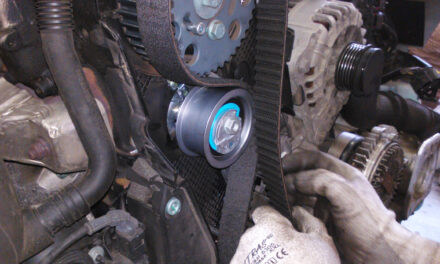
This is the big one. The 1.2 PureTech has been at the centre of widely reported wet-belt concerns on earlier Stellantis cars, and Parkers has also reported more recent recall activity affecting some 1.2-litre PureTech models across Peugeot and related brands. That does not make every 2008 a bad buy. It does mean you should treat the service record as a deciding factor, not a box-ticking exercise.
The checks that matter before you buy a used Peugeot 2008
1. Start with the engine history, not the touchscreen
On an early 1.2 PureTech car, ask for evidence that the engine has been maintained exactly as it should have been. Do not settle for a seller saying it was serviced "on time".
You want to see:
- dated invoices, not just a stamped book
- the correct oil being used
- proof of any belt inspection or replacement where relevant
- no vague gaps in the record around low mileage years
If the seller cannot show clear paperwork, move on. There are enough 2008s on the market that you do not need to rationalise a fuzzy history.
2. Check recalls properly
Do two separate checks before you buy.
First, use the UK government’s recall service to check the registration for outstanding safety recalls. Second, use Peugeot’s VIN-based recall page if the seller will share the VIN or lets you inspect the V5C in person.
That matters because recalls and service campaigns do not all show up in the same way, and this is exactly the sort of car where you want hard evidence rather than reassurance.
If you want a general reminder on the process, Motoring Mojo already has a guide to doing a used car recall check.
3. Make sure the driving position suits you before you talk yourself into it
This sounds subjective because it is. It is also important.
The Peugeot 2008 uses Peugeot’s i-Cockpit layout, which asks you to look over a small steering wheel at a high-set instrument display. Some drivers get on with it immediately. Others find that the wheel rim cuts across the dials unless they compromise on seat height or reach.
So do a proper test drive. Adjust everything. Try town speeds, a faster A-road and a tight parking manoeuvre. If the layout still feels awkward after that, do not assume you will adapt later. A Skoda Kamiq, Renault Captur or Volkswagen T-Cross may fit you better.
4. Test the gearbox in the situations owners actually hate
The automatic is generally the gearbox most buyers will prefer, but that does not mean you should only judge it on a clean dual carriageway.
Check it when:
- pulling away gently from junctions
- creeping in traffic
- reversing uphill or into a parking space
- making a three-point turn
That is where hesitancy, jerky take-up or odd low-speed behaviour tends to show itself. On manual cars, check that the shift feels clean and that the clutch bite does not feel awkward or overly high.
5. Be fussy about the cabin tech
One reason people buy a 2008 is because the interior looks better than most alternatives. That also means broken or glitchy cabin tech hurts more.
Before buying, check:
- touchscreen response
- Apple CarPlay or Android Auto connection
- reversing camera clarity if fitted
- parking sensor operation
- digital display visibility in your chosen seating position
A stylish interior is only an asset if all the expensive-looking bits still work properly.
6. Look hard at tyres and wheel size
Big wheels can look great on a forecourt. They are less charming when they combine with tired tyres and a fussy low-speed ride.
If you are comparing two otherwise similar cars, do not automatically choose the one with the largest alloys. Mid-spec cars on more sensible wheels can be the smarter real-world buy, especially on rough UK roads. Check tyre brands too. A supposedly premium used car on the cheapest possible rubber usually tells you something about how the previous owner approached maintenance.
7. Read the MOT history for patterns, not just passes
A clean pass sheet is nice, but patterns matter more.
Look for repeat advisories on tyres, brakes or suspension, and pay attention to long gaps between maintenance items. If the car has just been given a fresh MOT before sale, read the earlier tests carefully rather than taking the new pass at face value.
Motoring Mojo’s guide to a fresh 12-month MOT on a used car is worth reading before you view any example.
8. Check the family-car basics with your own stuff
The 2008 is usefully practical, but not magically roomy. If you need it for family duty, bring the child seat, buggy or the bulky weekly-shop equivalent and check the boot and rear-seat access yourself.
The official numbers are respectable, but real-life fit matters more than brochure confidence.
What you will probably like once you own one
Buy well and the Peugeot 2008 has a strong day-to-day case.
It feels more expensive inside than many small SUVs, the boot is genuinely useful, and it does a good job of blending urban ease with enough motorway refinement for regular longer trips. It is also one of those cars that still looks like you made a choice, rather than simply accepting the default crossover answer.
That helps when you are spending family-car money and want something with a bit more personality.
What might make you buy something else
If you want the roomiest rear seat, the sweetest manual gearbox or the most straightforward driving position in the class, the 2008 is not the obvious winner.
A Ford Puma is still the more engaging drive. A Skoda Kamiq is easier to recommend to people who value space and simplicity. A Renault Captur is often the calmer middle ground for family use.
The Peugeot only makes sense if its style, cabin quality and overall feel matter to you enough to justify being more selective about the exact car you buy.
The bottom line
A used Peugeot 2008 can be a very smart small SUV buy in the UK, but only if you treat engine history and recall checks as the foundation of the decision.
Get that part right, make sure the i-Cockpit works for you, and the 2008 has plenty going for it. Ignore the paperwork, get seduced by the showroom-style interior and assume all versions are basically the same, and it becomes a much less convincing purchase.
In short: buy the history first, then the car around it.