
A clean advert, a fresh MOT and a folder full of stamps can still leave one awkward question unanswered: has the car ever been recalled for a safety defect, and if so, was the work actually done?
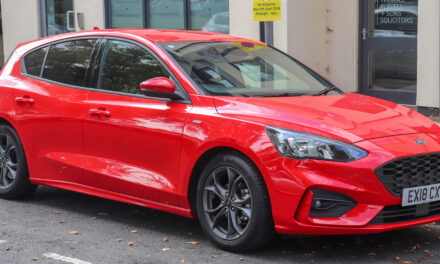
That is why a used car recall check deserves a place on every buyer’s shortlist routine. It is free, it takes minutes, and it can flag safety work that is far more important than a shiny set of alloys or a recent valet. In the UK, GOV.UK lets you check for outstanding safety recalls by registration number, and the results can tell you whether there is work that has not yet been checked or fixed.
Why this matters more than plenty of buyers realise
A recall is not the same thing as a minor annoyance or a small service item. The GOV.UK recall service is there for serious safety problems identified by the manufacturer. According to GOV.UK’s vehicle recall checker, if there is a problem you need to get the car fixed or replaced by the manufacturer, and you will not usually have to pay for the repair or parts.
That matters in the used market because a recall can easily fall through the cracks. The current keeper may have ignored the letter. The car may have changed hands. The manufacturer may not have had the right contact details. GOV.UK’s wider vehicle recalls and faults guidance makes the point clearly: if your vehicle is recalled for a safety reason, you will usually be sent a letter, but you will not get one if the manufacturer does not have your details.
For a used-car buyer, that is the key risk. The car can look fine on the driveway and still have open safety work attached to it.
How to run a used car recall check in the UK
The easiest route is the official GOV.UK recall checker. In most cases you just need the registration number.
Use it like this:
- Enter the registration number on the GOV.UK recall checker.
- Read the result carefully rather than just glancing for a green light.
- Check whether there are safety recalls that have not been checked or fixed.
- If there is an open recall, ask the seller exactly when the work was booked or completed and who carried it out.
- If the seller says it has already been done, ask for proof such as an invoice, booking confirmation or dealer paperwork.
If you do not know the registration number yet, GOV.UK also says you can check a car by manufacturer, model and year of manufacture. That is useful if you are narrowing down a shortlist before you contact a seller or place a deposit.
Do not rely on the MOT alone
This is the trap. A current MOT is useful, but it is not a substitute for a recall check. GOV.UK’s MOT history service says the MOT history may also tell you if the vehicle has been recalled for a safety reason, depending on the manufacturer. The important words there are "may" and "depending on the manufacturer".
In other words, the MOT history can help, but it is not a guaranteed all-clear. A sensible buyer uses both tools:
- the MOT history service to spot failures, advisories and mileage patterns
- the recall checker to spot open safety work
That combination gives you a far better view of the car than either check on its own.
What to ask the seller if a recall shows up
An open recall is not always a deal-breaker. Sometimes the fix is straightforward and handled quickly by a franchised dealer. But you should not shrug it off, especially if the defect relates to steering, brakes, fire risk, battery systems, airbags or seat belts.
Ask these questions:
- Has the recall work already been completed?
- Which dealer or repairer carried it out?
- Is there paperwork to prove it?
- If it has not been done yet, will the seller get it done before sale?
- Has the manufacturer advised that the car should not be driven until repaired?
GOV.UK says that if a vehicle has a serious safety defect, the manufacturer will write to tell you what to do and you must not drive the vehicle. If the recall notice or manufacturer guidance points that way, treat it as a stop sign, not as a negotiation point.
The safest way to handle an outstanding recall before you buy
If you are buying from a dealer, the cleanest answer is simple: ask for the recall work to be completed before collection and make sure that promise is written into the deal.
If you are buying privately, be more cautious. You do not have the same practical leverage once the money has changed hands. If the recall is still open, you have three sensible options:
- Ask the seller to get the work done before the sale.
- Contact a franchised dealer yourself with the registration or VIN and confirm what is outstanding and how quickly they can book it in.
- Walk away if the seller is vague, dismissive or clearly hoping you will ignore it.
That may sound fussy, but it is better than buying first and discovering afterwards that the earliest recall appointment is weeks away, or that the manufacturer has advised the car should not be driven.
A quick used-car recall checklist
Before you leave a deposit, run through this list:
- Check the registration on the official GOV.UK recall service.
- Check the MOT history separately.
- Match the registration, make and model against the advert and the V5C.
- Ask the seller whether any recall work has been completed.
- Ask for documentary proof if they say yes.
- If the recall is still open, decide whether the car gets fixed first or comes off your shortlist.
It is a short routine, but it can save you from buying a car that needs urgent safety work the day after it lands on your drive.
Why this check is especially important on a used car
New-car buyers are more likely to hear directly from the supplying dealer or manufacturer. Used-car buyers are dealing with a messier chain of ownership. Cars move between keepers, auctions, finance companies, trade sellers and private adverts. Records get lost, letters go to old addresses and some sellers simply do not know what is still outstanding.
That is why recall checks belong in the same category as checking the V5C, reading the MOT history and confirming the car’s identity. They are not overkill. They are part of doing the basics properly.
The bottom line
A used car recall check is one of the quickest free checks you can do in the UK, and one of the easiest to skip when you are distracted by price, mileage and spec. That is a mistake.
Run the GOV.UK recall search before you agree a deal. If it shows open safety work, slow down, get the facts and make sure the problem is dealt with properly. A tidy advert and a fresh MOT are nice to have. A car with its safety work sorted is better.




Trackbacks/Pingbacks