If you only drive into central London occasionally, the Congestion Charge is exactly the kind of thing that can become an expensive afterthought.
A lot of drivers know the zone exists, but still get tripped up by the newer weekend charging hours, the higher late-payment rate, and the fact that paying the Congestion Charge does not mean you are covered for ULEZ as well.
The short version is this: if you drive in the Congestion Charge zone during charging hours, the standard daily charge is now £18 if you pay on the day of travel or in advance. Leave it later and the price rises to £21, as long as you pay by midnight on the third day after travel. Miss that window and you risk a Penalty Charge Notice.
Here is the practical UK guide to what matters before the cameras do.
The key Congestion Charge rules at a glance
According to Transport for London, the current setup looks like this:
| What matters | Current rule |
|---|---|
| Standard daily charge | £18 if paid on the day of travel or in advance |
| Late payment rate | £21 if paid by midnight on the third day after travel |
| Charging hours | 7:00 to 18:00 Monday to Friday |
| Weekend and bank holiday hours | 12:00 to 18:00 on Saturdays, Sundays and bank holidays |
| Christmas break | No charge between Christmas Day and the New Year bank holiday, inclusive |
| Best payment method | Auto Pay via TfL |
That last point matters more than it sounds. TfL explicitly says the easiest way to pay is through Auto Pay, which automatically charges you for days when your vehicle enters the zone.
For anyone who drives into central London more than once in a while, that can be the difference between a routine travel cost and an annoying penalty notice.
The mistake drivers keep making: confusing the Congestion Charge with ULEZ
This is probably the biggest practical trap.
The Congestion Charge and the Ultra Low Emission Zone are not the same thing. Paying one does not automatically cover the other.
TfL says that if your vehicle does not meet the ULEZ standards, you must also pay the ULEZ charge when driving in the Congestion Charge zone.
At the time of writing, the ULEZ daily charge for cars, motorcycles, vans and minibuses in scope is £12.50. That means a non-compliant car entering central London during Congestion Charge hours could face a combined daily cost of £30.50.
That is why it is worth checking two things before you drive:
- whether your route enters the Congestion Charge zone
- whether your vehicle also needs a ULEZ payment
Plenty of drivers assume the charge they are thinking about is "the London charge" and leave it there. That assumption gets expensive quickly.
When do you actually have to pay?
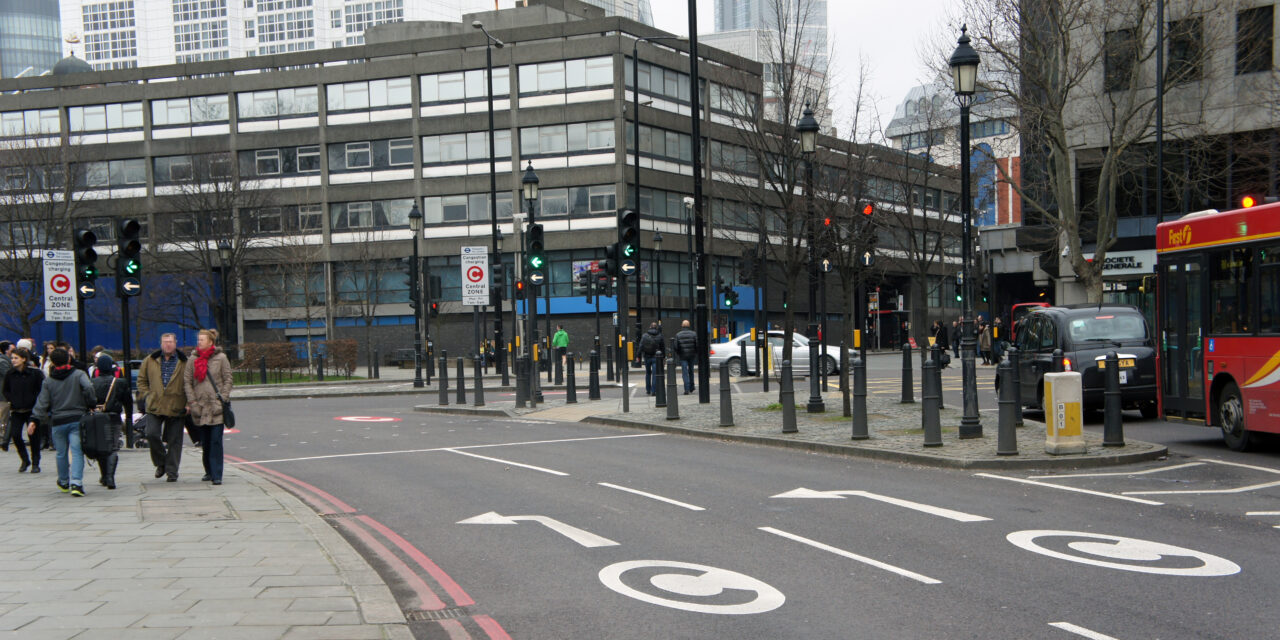
You need to pay when you drive within the Congestion Charge zone during the charging hours.
TfL currently says those hours are:
- 7:00 to 18:00 Monday to Friday
- 12:00 to 18:00 on Saturdays, Sundays and bank holidays
That weekend point is the one occasional visitors often miss. A lot of drivers still think this is mainly a weekday commuter charge. It is not.
If you are making a weekend trip into central London for shopping, a show, a restaurant booking or a hotel stay, the charge can still apply.
TfL also provides a postcode and address checker on its road user charging pages, which is the safest way to confirm whether your destination falls inside the zone rather than guessing from memory.
Who gets an exemption or discount?
This is where drivers should slow down and read the small print rather than assume they are covered.
According to TfL’s discounts and exemptions guidance, some of the most relevant categories include:
- Blue Badge holders: TfL lists a 100% Congestion Charge discount, but this is not a casual automatic free pass. You need to apply and supply documents.
- Residents in the Congestion Charge residents’ discount zone: TfL lists a 90% discount.
- Motorbikes and mopeds: exempt from the Congestion Charge.
- Taxis: exempt when actively licensed with London Taxi and Private Hire.
- Private hire vehicles: not generally exempt. TfL says PHV drivers and operators usually need to pay if they travel in the zone during charging hours.
- Vehicles with nine or more seats: TfL lists a 100% discount.
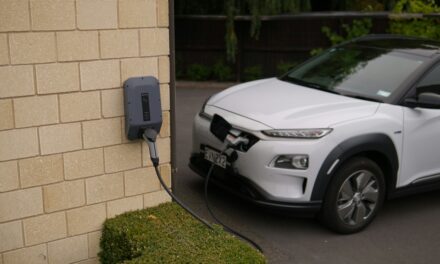
There is another detail worth flagging because many EV drivers still rely on out-of-date information. TfL says the old 100% Cleaner Vehicle Discount has ended. So driving an electric car does not automatically mean the Congestion Charge disappears.
That matters because some older guides and forum posts still imply that EVs are simply exempt. The reality is more nuanced, and the safe move is to check your exact eligibility on the current TfL page before you travel.
What if you forget to pay on the day?
Forgetting on the day is not automatically catastrophic, but the price does go up.
TfL says you can still pay the Congestion Charge at the higher £21 rate up to midnight on the third day after travel. After that, if the daily charge has not been paid, TfL may issue a Penalty Charge Notice to the registered keeper.
That three-day window is important because it gives drivers a final chance to sort the problem before it turns into enforcement.
So if you suddenly realise the morning after a trip that you forgot, it is still worth dealing with immediately rather than waiting to see what happens.
How painful is the penalty if you miss it completely?
TfL’s penalties and enforcement page says the full Penalty Charge Notice is £160.
TfL also says:
- you have 28 days from the date of service to pay or challenge the PCN
- if you pay within 14 days, you get a 50% discount
- if the penalty is not paid within 28 days, it increases by 50% and a Charge Certificate is issued
In plain English, this is one of those charges that gets more expensive the longer you leave it.
It is also worth noting that TfL says a PCN can still arrive even if you believed you had paid or thought you were exempt. In that situation, the right move is not to ignore it. Check the details, gather proof, and either pay or challenge it within the stated window.
Auto Pay is usually the sensible option
If you are a regular London driver, Auto Pay is the simplest way to reduce the chance of an avoidable mistake.
TfL says Auto Pay is free to register for and automatically charges for days when your vehicle travels within the charging zone. That is useful for anyone whose central London driving is irregular enough to be forgettable but frequent enough to create risk.
It is especially useful if you:
- drive into central London for work but not every day
- make occasional client visits inside the zone
- share a family car that more than one person might take into London
- run a small business vehicle that sometimes crosses the boundary
TfL also warns drivers about unofficial websites selling Congestion Charge payments. That is another reason to go straight to the official road user charging pages rather than relying on ads or third-party search results.
A simple pre-trip checklist before you head into the zone
If you want to avoid the usual Congestion Charge mess, run through these checks before you drive:
- Confirm the route using TfL’s postcode or address checker.
- Check the time and day, especially if it is a weekend or bank holiday trip.
- Check ULEZ status as well, because the two charges can stack.
- Confirm any claimed exemption or discount is actually registered and active.
- Use the official TfL payment route, ideally Auto Pay if you travel regularly.
- If you forgot, fix it fast before the third-day deadline expires.
None of that is complicated, but it is much easier to do before the journey than after a letter lands on the doormat.
The bottom line
The London Congestion Charge is no longer something only weekday commuters need to think about. With weekend and bank holiday charging hours, a higher late-payment rate, and ULEZ sitting alongside it, occasional visitors can get caught out just as easily as regular drivers.
The practical takeaway is simple: check the zone, check the time, check whether ULEZ applies too, and do not assume that owning an EV, carrying a Blue Badge or paying one London charge means you are automatically covered for everything else.
If you get those points right, the Congestion Charge is manageable. If you guess, it gets expensive quickly.