If you want an easy small automatic with low running costs, a used Toyota Yaris Hybrid deserves a proper look. It is common enough in the UK to shop around, efficient in town without needing a plug, and backed by a warranty structure that matters more than many buyers realise.
The key is not to buy one lazily just because it has a Toyota badge and a hybrid drivetrain. There is a big difference between a tidy, well-serviced Yaris Hybrid and one that has spent years being hammered around town with patchy paperwork and battered wheels.
Why the Yaris Hybrid is such a strong used buy
For a lot of UK drivers, the Yaris Hybrid lands in a sweet spot. It is small enough for tight streets and awkward parking bays, easy to drive if you want an automatic, and usually cheaper to run in town than an equivalent small petrol automatic.
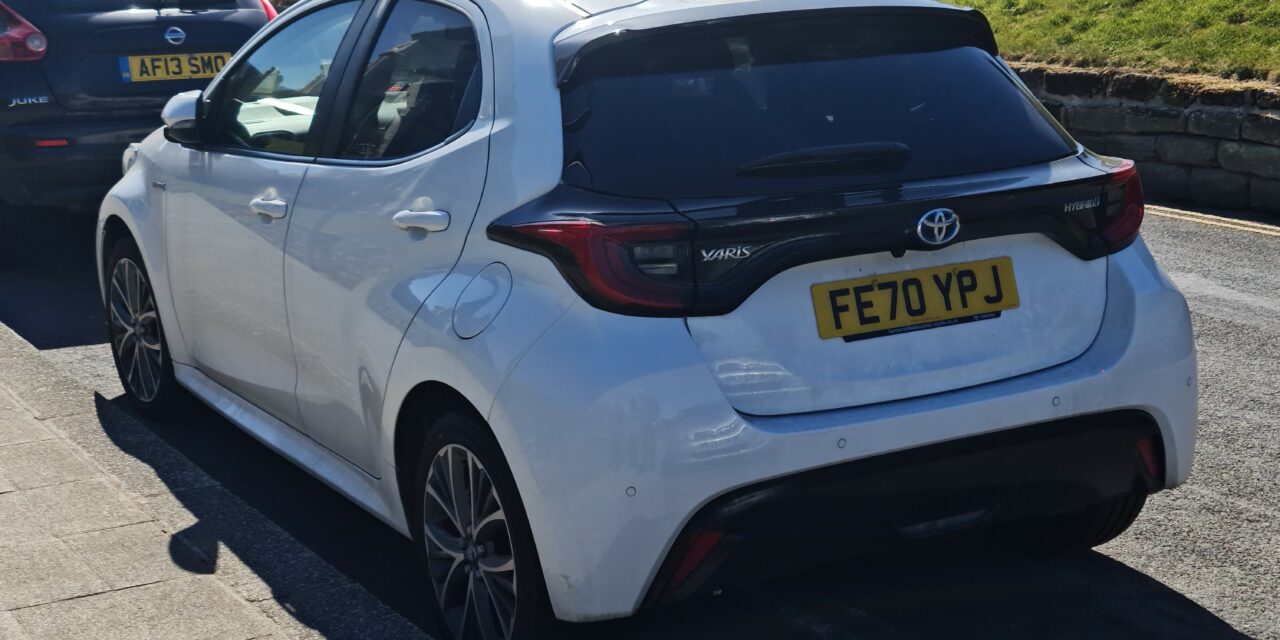
The other big point is that Toyota has kept improving it. The older 2012 to 2020 cars can still make sense on a tighter budget, but the 2020-on generation is a much better all-round car. It brought a new fourth-generation hybrid system, a stronger safety package and a more grown-up feel on faster roads. Euro NCAP gave the 2020 Toyota Yaris a five-star rating, with scores of 86 per cent for adult occupant protection and 85 per cent for safety assist.
That matters if your shortlist includes small superminis that look cheap to buy but feel a step behind once you actually use them on mixed UK roads.
Which used Toyota Yaris Hybrid should you target?
Best value for most buyers: 2020 onwards
If your budget stretches far enough, the 2020-on car is the one to chase first. It is safer, quieter, better resolved and feels less like a compromise when you leave town. Toyota’s 2020 brochure also made clear that this generation used a new fourth-generation hybrid setup with a light lithium-ion battery.
In practical terms, this is the version that best suits buyers who want one car to handle school runs, commuting and occasional motorway miles without feeling out of its depth.
Budget-led choice: 2012 to 2020
The older Yaris Hybrid is still worth considering if price is the main factor, especially as a town car. Just be stricter about condition and history. These cars are now old enough that neglect matters more than the badge on the nose.
A cheap older hybrid only stays cheap if it does not immediately need tyres, brakes, suspension work and catch-up servicing.
Latest tech choice: 2024 facelift cars
The facelifted Yaris line-up brought the option of Hybrid 130 power, alongside Hybrid 116, plus a larger 10.5-inch touchscreen on higher trims. It is the nicest version, but it will usually cost enough more that many used buyers are better off choosing a clean earlier 2020-on car with strong history instead.
Used Toyota Yaris Hybrid checklist: 9 things to verify before you buy
1. Service history matters more here than a shiny bodywork finish
Toyota says Yaris models have annual service intervals, and if you hit the mileage cap for your version first it needs servicing then. For a hybrid, that regular routine is important anyway, but Toyota also ties real ownership value to it.
Toyota’s current UK warranty page says every new Toyota starts with a three-year or 60,000-mile manufacturer warranty, while service-activated cover can continue up to 10 years or 100,000 miles if the car keeps getting qualifying services at an Approved Toyota dealer. Toyota also says Approved Used cars come with a minimum 12-month warranty.
That means a stamped book or digital record is not just nice to have. It can be worth real money in future cover.
If a seller cannot clearly show where the car has been serviced and when, treat the price as if the warranty upside has already gone.
2. Check whether the hybrid battery cover is still being maintained
This is one of the best reasons to buy a Yaris Hybrid rather than a random small automatic from another brand. Toyota’s current UK warranty page advertises up to 15 years of hybrid battery warranty cover, and Toyota’s Yaris servicing guide says hybrid models get an extra Hybrid Electric Service health check that can extend battery cover by 12 months at a time.
Ask directly whether the car has kept receiving those hybrid health checks on schedule. If the answer is vague, do not assume the battery cover is intact.
3. Run a recall check, even on a Toyota
Do not skip this because the car has a reputation for reliability. It takes minutes.
At the time of writing, the GOV.UK recall checker pages for the Toyota Yaris 2020 and 2021 showed no recalls, but that is not a lifetime guarantee and the database can change. Check the exact registration or VIN before you commit, especially if you are buying privately.
It is the same logic behind our guide to the used car recall check too many buyers skip. A seller being confident is not the same thing as a car being clear.
4. Be alert for ex-taxi or hard-worked urban cars
A Yaris Hybrid is exactly the sort of car that can rack up tough city miles. That does not automatically make it a bad buy, but it does mean you should look harder.
Watch for these clues:
- heavy wear on the driver’s seat bolster
- polished steering wheel and shiny switchgear that do not match the mileage
- scuffed rear door shuts and bumper corners
- repeated cheap tyre brands
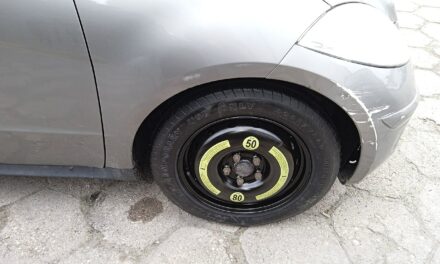
- multiple kerbed wheels
- signs of past sticker removal or holes from old mounts
A well-used ex-private-hire car can still drive fine. The question is whether you are paying the right money for that life story.
5. Inspect the tyres and brakes properly
Hybrids often get sold on their economy, but consumables still cost what they cost. A Yaris that needs four tyres and a brake refresh is not a bargain just because the asking price looks neat.
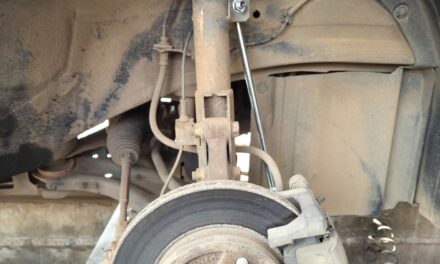
Check that all four tyres are matching or at least sensible quality, with even wear across the tread. Uneven inner-edge wear can point to alignment or suspension issues. On a mainly urban hybrid, rusty or underused brakes are also worth checking because regenerative braking means the friction brakes may do less work than on a normal petrol supermini.
6. Make sure it drives like a healthy hybrid, not a tired one
On a test drive, the Yaris Hybrid should feel smooth and easy rather than jerky or noisy for no reason. Some engine flare under hard acceleration is normal in a hybrid automatic, especially if you suddenly ask for full power, but it should not feel rough, graunchy or full of warning lights.
Start it from cold, drive it in town, and include a faster stretch if you can. Pay attention to any drivetrain warning messages, rough transitions, clunks over potholes or steering that feels off-centre.
A fresh MOT pass is only part of the picture, which is why it is worth using our guide on how to read past a fresh 12-month MOT and look at the history underneath.
7. Check the trim level, not just the registration year
Two Yaris Hybrids from the same year can feel very different inside. Some buyers care most about reversing aids, smartphone connectivity or Toyota Safety Sense kit, while others just want the cheapest clean car available.
Before you travel, ask the seller exactly which trim it is and what it has. Toyota’s brochures show how equipment changed across generations and facelifts, so it is worth checking rather than guessing from photos.
A cheaper car can stop being cheaper very quickly if it is missing the features you actually wanted.
8. Look for signs of parking damage and rushed repairs
This is a city car, so bumper corners, alloy wheels, mirror caps and lower door edges deserve a careful look. Small cosmetic knocks are normal. What you are trying to spot is the badly repaired stuff.
Panel gaps, overspray, mismatched paint texture or a rear bumper that does not sit quite right can all point to a rushed repair after a low-speed shunt. That is not always a deal-breaker, but it should change what you are willing to pay.
9. Make sure the car still fits your real life
The Yaris Hybrid is smart, but it is still a small hatchback. If you regularly carry tall rear passengers, a bulky buggy or lots of motorway luggage, do not assume a good reputation makes it the right answer.
Toyota’s latest Yaris material makes a point of the flexible cabin and fold-down rear seats, but this is still a supermini first. If your weekly routine has outgrown that, a larger used hatchback or small crossover may be the better buy even if the Yaris looks excellent on paper.
Is it worth paying more for the newer shape?
Usually, yes.
The 2020-on Yaris Hybrid feels like a more complete car, not just a facelifted old one. You get a stronger safety story, a more modern hybrid setup and a cabin that feels less bargain-basement. For many buyers, that means it is the version that makes the most sense if you plan to keep the car for several years.
If the older car is dramatically cheaper and has impeccable history, it can still work. But if the price gap is manageable, the newer shape is the smarter long-term bet.
The bottom line
A used Toyota Yaris Hybrid is easy to recommend, but only when you buy with your eyes open. The best ones combine sensible running costs, Toyota-backed warranty potential and an easygoing drive that suits UK town use brilliantly.
The lazy buy is to assume every Yaris Hybrid is a safe bet. The smart buy is to verify the service record, battery cover, trim level, recall status and wear signs before money changes hands.
Do that, and it is one of the strongest used small hybrids on the UK market.