
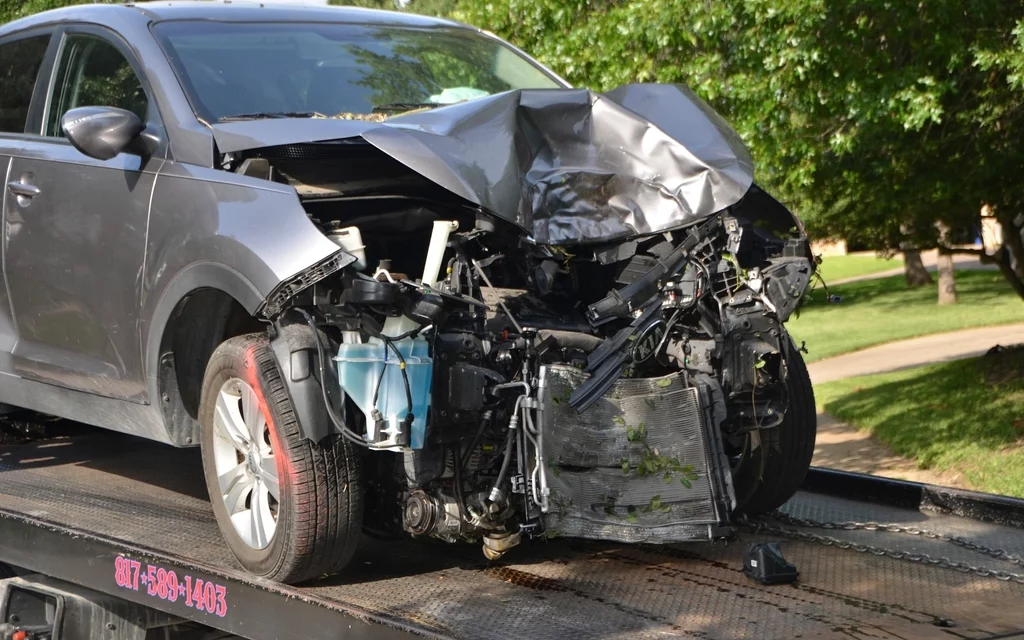
Pick a car insurance excess you could actually pay tomorrow
A low annual premium can make one quote look like an easy winner. Then you notice the excess. Suddenly the policy that looked cheap only works if you could find several hundred pounds at short notice after a crash, theft or damage claim.
That is the bit too many UK drivers gloss over. Your car insurance excess is not just a technical detail buried in the quote. It shapes whether a policy is practical, whether a claim feels worth making and how painful a bad day becomes when the insurer asks for your contribution.
Here is how to choose an excess that keeps the premium sensible without turning the policy into a trap.
What your total car insurance excess actually means
Your excess is the amount you pay towards a claim before the insurer pays the rest. In practice, the figure that matters is usually the total excess, not just the headline number you chose yourself.
RAC, Admiral and Uswitch all explain the same basic structure:
- Compulsory excess is set by the insurer
- Voluntary excess is the extra amount you choose to add
- Total excess is the two figures added together
So if the insurer sets a compulsory excess of £250 and you add a voluntary excess of £200, your total excess is £450.
That means a policy can look attractively priced right up until claim day. Plenty of drivers remember choosing the voluntary part, but forget the insurer had already built in a hefty compulsory amount because of the car, the postcode, the driver profile or all three.
Why insurers like a higher excess
A higher excess reduces the insurer’s exposure to smaller claims. Admiral says excess helps cut down on minor claims, such as scratches and scuffs, because the customer carries more of the initial cost.
That is why raising your voluntary excess often lowers the premium. You are taking on more of the financial risk yourself, so the insurer charges less to cover the rest.
There is nothing wrong with using that trade-off. The mistake is treating every premium reduction as a good deal.
If adding another £250 of voluntary excess trims only a small amount off the annual quote, the maths may be poor. You are accepting a much nastier claim-day bill for a saving that might barely cover a tank of fuel.
The question that matters more than the quote
Before you choose a higher excess, ask yourself one blunt question:
Could I comfortably pay the full total excess tomorrow if the car was damaged tonight?
If the honest answer is no, the policy is probably too aggressive.
Uswitch points out that you need to be certain you can afford the full total excess at any time. That is the right way to look at it. Car insurance is there for unpredictable days, not just tidy hypothetical ones at renewal time.
A sensible excess is usually one that:
- brings the premium down by a worthwhile amount
- still leaves the policy usable if you need to claim
- would not force you onto a credit card or overdraft to get the car repaired or the claim moving
For many households, that matters more than squeezing the quote down by the last few pounds.
When a higher voluntary excess can make sense
Choosing a bigger voluntary excess is not always a mistake. It can be reasonable if all of the following are true:
- you have emergency savings
- you rarely need to claim for minor damage
- the premium drop is meaningful, not token
- you are deliberately insuring against larger losses rather than everyday scrapes
In other words, a higher excess works best when it reflects a real financial choice, not wishful thinking.
A confident, experienced driver with savings may decide that taking on more of the first few hundred pounds is worth it over several claim-free years. A newer driver already stretching to afford the policy usually needs to be more careful.
When it is a bad idea
A high excess is usually the wrong move if:
- the cheaper premium only saves a modest amount
- money would be tight after an accident
- the car is essential for work, school runs or caring responsibilities
- you are already choosing cover based on the absolute lowest monthly figure
This is especially important if you pay monthly. Drivers sometimes focus on the monthly payment and forget the excess is a separate, potentially large lump sum later. A policy can feel affordable for eleven months and then become a headache the moment something goes wrong.
Why the excess affects whether a claim is worth making
This is where the decision becomes practical rather than theoretical.
If the repair bill is lower than your total excess, or only a little higher, claiming may make little sense. Uswitch gives the straightforward example: if repairs cost less than the total excess, you would usually pay for them yourself.
Even when the insurer would pay something, the sums can still look poor once you factor in the disruption and the possibility of a future premium rise.
That does not mean you should never claim for smaller damage. It means the excess helps decide whether the policy is functioning as protection against major costs, or whether it is so top-heavy that everyday claims barely work.
A useful rule of thumb is this: if your excess would make you hesitate over a perfectly legitimate claim, it may be set too high.
Does a non-fault claim mean you do not pay the excess?
Not always, and this catches drivers out.
Admiral notes that if you are in an accident that was not your fault, you may still need to pay the excess first while your insurer recovers the costs from the other side. If liability is accepted and the money is recovered, you may get that excess back later.
The key word is later.
So even if someone else hit you, a large excess can still create a short-term cash flow problem. That is another reason not to choose a total figure you could not cover at short notice.
If the other driver disputes liability, cannot be traced or is uninsured, recovering your excess can take longer or become more complicated.
Windscreen claims often work differently
Do not assume every claim uses the same excess.
Many insurers apply a separate windscreen or glass excess. Admiral, for example, says its own windscreen excess is typically much lower than the standard accident excess, with one example being £25 for a repair and £115 for a replacement.
That does not mean every insurer uses the same figures. It does mean you should not judge the whole policy only by the standard total excess. Glass cover, courtesy car terms, approved repairer rules and uninsured loss recovery all deserve a quick look as well.
If you get a stone chip or cracked screen, check the policy wording before deciding not to claim. The cost to you may be far lower than the standard accident excess suggests.
How to compare quotes without fooling yourself
When you have two or three decent quotes in front of you, compare them like this:
1. Write down the compulsory excess
Do not jump straight to the voluntary slider. First see what the insurer has already imposed.
2. Add the voluntary figure and look at the true total
That total is the number that matters on claim day.
3. Check how much each excess change really saves
Move the voluntary excess up and down and watch the premium change. Sometimes the extra risk buys surprisingly little.
4. Think about the claims you are actually likely to face
A minor bump, vandalism, wheel damage after road debris or a parking scrape is more realistic for most drivers than a dramatic total loss.
5. Check separate excesses and key conditions
Windscreen cover, young driver excesses, theft claims and approved repairer terms can vary a lot by insurer.
6. Choose the figure you could absorb without panic
That is usually the sweet spot.
The smartest way to think about excess
The best excess is not the highest one you can click to make the quote look cheaper. It is the one that leaves the policy doing its job.
For most drivers, car insurance should protect against bills that would genuinely hurt, while still being usable in the real world. If the excess is so high that you would dread making a valid claim, the policy may be cheap on paper but weak in practice.
A slightly dearer quote with a saner total excess is often the better buy.
If you are comparing policies right now, spend an extra two minutes on the excess breakdown before you pay. It is one of the simplest ways to avoid buying a policy that only looks good until the first claim.


Trackbacks/Pingbacks