
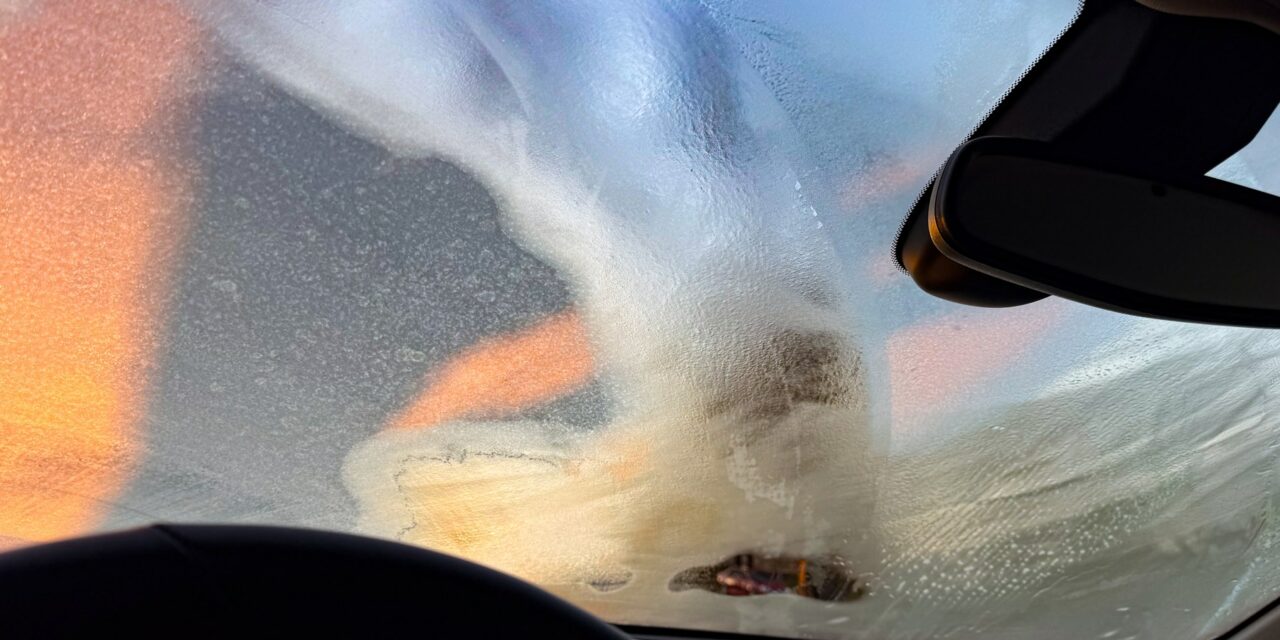
On a cold morning, a clear patch directly in front of the driver can feel like enough to get moving. It is not. A frosted or misted windscreen leaves hazards, pedestrians and junction traffic hidden in the very areas you need to scan. It also makes low sun far more troublesome.
In the UK, the Highway Code is unambiguous: before setting off, drivers must be able to see and must clear snow and ice from their windows. Treat that as the minimum, rather than a target. The useful routine is to make the whole windscreen clear, clear the front side windows and mirrors, then make sure the screen stays clear once the car is moving.
Do not drive with a little clear hole
A small cleared area only shows what is straight ahead. It does not give a proper view across a pedestrian crossing, into a side road or towards a cyclist filtering at the kerb. Frost around the edges also catches the low winter sun and creates glare just when your eyes should be looking for movement.
Clearing only the driver’s side is not a workaround. You need enough visibility to use mirrors, check both sides of the road and deal with a developing hazard. If the windscreen fogs again as you pull away, stop somewhere safe and clear it before continuing.
The five-minute cold-morning routine
- Start with the outside. Remove loose snow from the roof, bonnet, lights and number plates as well as the glass. Snow sliding from the roof on to the windscreen after the first brake application is a remarkably bad start to a journey.
- Use a proper scraper and de-icer. Spray a windscreen-safe de-icer over the glass, allow it to work briefly, then use a plastic scraper with broad, steady strokes. Start at the top so the melted ice does not run over an area you have just cleared.
- Clear every relevant pane. Do the whole windscreen, front side windows, rear screen and door mirrors. Wipe the camera and sensor areas if your car has them, but do not scrape hard against a lens or a heated element.
- Set the ventilation to demist. Aim warm air at the windscreen, switch on the air conditioning if the car allows it and use fresh-air mode rather than recirculation. Air conditioning dries the air, which is why it helps even on a cold day.
- Check before selecting drive. Use the wipers and washers only after the screen is mostly clear, then look through the whole swept area. Make sure the washer jets work and that there is enough screenwash for the trip.
What not to do
Do not pour hot water on frozen glass
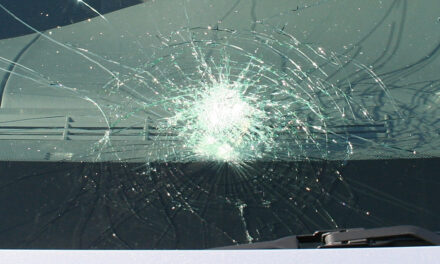
Very hot water on a deeply cold windscreen risks thermal shock, particularly if there is an existing chip or crack. The water can also refreeze on the ground or on the glass. A ready-made de-icer and a scraper are slower only by a minute or two, and much kinder to the car.
Do not rely on the wipers to remove ice
Wipers are designed to move water, not break a sheet of ice. Running them across a frozen screen can tear the rubber, strain the wiper mechanism and leave scratches where grit is trapped. Free the blades gently before using them. If they are frozen to the glass, use de-icer rather than pulling them sharply.
Do not leave the car unattended to warm up
Starting a vehicle and going back indoors while it idles is an invitation to theft. It is also wasteful. Stay with the car, clear it properly and use the time to check the lights and mirrors. Modern engines do not need a long stationary warm-up before gentle driving, although you should wait until the windows are genuinely clear.
Do not use household salt or improvised chemicals
Salt water can leave residue, affect paintwork and encourage corrosion around damaged areas. Products made for vehicle glass are the sensible choice. Keep a scraper and de-icer in the car, and keep a second scraper at home so the kit is not trapped behind a frozen door.
Why the air conditioning button matters in winter
A windscreen can be clear on the outside yet mist up from the inside as soon as wet coats, passengers and breathing add moisture to the cabin. The quickest setting is normally front demist, warm temperature, a reasonably high fan speed and air conditioning on. The system removes moisture from the air before it reaches the screen.
Recirculation can be useful briefly when driving behind a smoky vehicle, but it usually makes window misting worse because moisture remains in the cabin. Switch back to fresh air when demisting. If the screen keeps steaming up despite using the controls, check for damp carpets, a blocked cabin filter, a leaking door seal or a heater problem.
Make the job easier the night before
A fitted windscreen cover is the simplest preventative buy for a car parked outside. Put it on only when the glass is clean and dry, secure it so it cannot blow away, and remove it before driving. It will not replace the final visibility check, but it can save the scraping.
Also top up with winter-rated screenwash, not plain water. Screenwash helps remove road film and has freeze protection at the concentration stated on the bottle. Plain water in the washer reservoir can freeze in the lines, leaving you without a safe way to clear salt spray on the road.
Keep a small winter kit in the car: a scraper, de-icer, microfibre cloth, gloves and spare screenwash. The cloth is for the inside of the glass, where a clean, dry wipe can help after demisting. Avoid wiping a gritty outside screen with it.
When you should delay the journey
Wait if you cannot get a clear view through the windscreen and mirrors, if washer fluid is frozen and the roads are dirty, or if fresh snow is still falling fast enough to cover the glass again. A few extra minutes at home beats stopping unexpectedly on a busy road with no visibility.
If a wiper blade is damaged, a washer jet will not spray or the heated rear screen has failed, do not assume the car will stay usable in poor conditions. Fix the fault before the next long or dark journey. For a washer issue that is more than low fluid, see our guide to clearing blocked washer jets.
The bottom line
There is no safe shortcut around a frosted windscreen. Clear the whole viewing area, lights, mirrors and number plate, use demist settings to keep the glass clear, and do not move until you can see properly. A scraper, de-icer and winter screenwash cost little compared with the consequences of setting off half-blind.



Trackbacks/Pingbacks