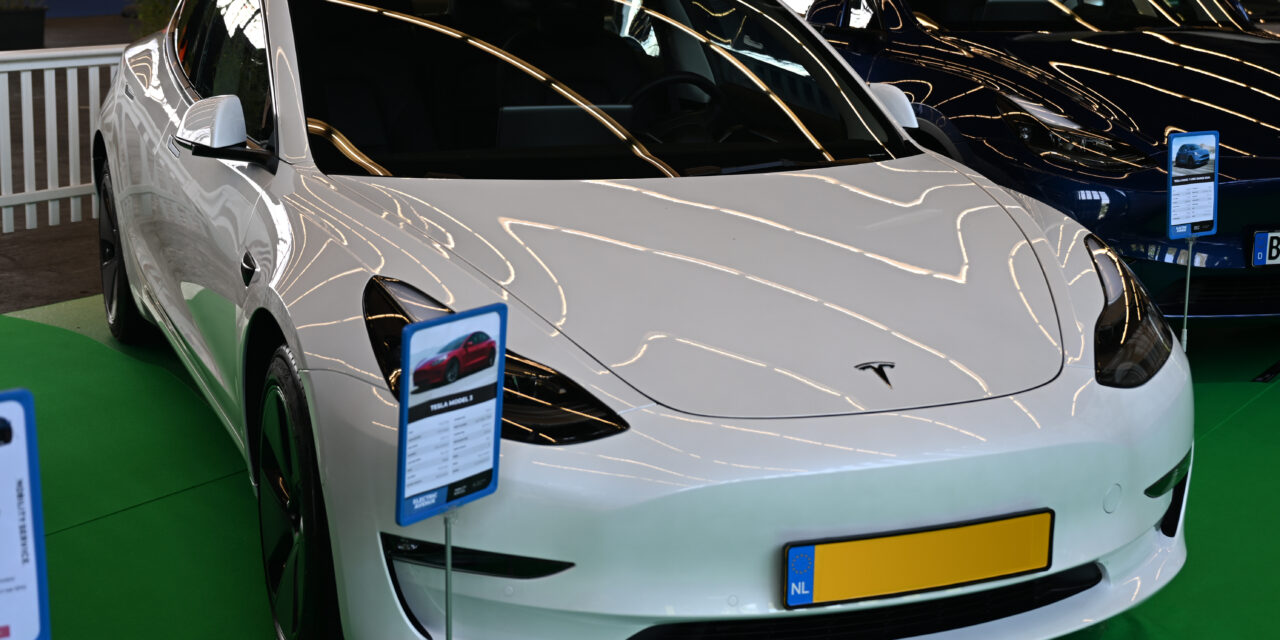
Yes. A privately owned electric car normally needs its first MOT by the third anniversary of registration, then every year after that, just like a petrol or diesel car. The absence of an exhaust does not make an EV exempt. The difference is that there is no tailpipe-emissions test, not that the car escapes the safety checks.
That distinction matters when an EV is getting older. An MOT is a roadworthiness test, not a health check for the traction battery or a substitute for servicing. Brakes, tyres, lights, suspension, steering, visibility and warning lights can still turn a cheap-looking EV into an expensive one.
When does an electric car need its first MOT?
For most cars in Great Britain, the first test is due by the third anniversary of registration and the next one is due by the anniversary of the previous MOT. GOV.UK confirms the normal timetable and lets drivers check an MOT status and history online. The process is different in Northern Ireland, where testing is administered separately.
You can have the test done up to one month, minus a day, before the current certificate expires without losing the original renewal date. That is useful if an advisory leaves time for a repair before the deadline.
Do not confuse the MOT date with the service schedule. An EV may need far less routine mechanical work than an internal-combustion car, but the manufacturer can still specify inspections and fluid changes. Follow the handbook and service plan as well as the MOT calendar.
What does an EV MOT actually check?
The DVSA inspection manual applies the familiar roadworthiness checks to cars. For an electric car, the practical focus is usually on:
- Brakes: pedal operation, brake pipes and hoses, discs, pads, callipers, parking brake, ABS and brake performance.
- Tyres, wheels and suspension: legal tread depth, tyre condition, wheel security, springs, dampers, bearings and joints.
- Lights and electrical equipment: headlamps, indicators, brake lights, hazards, number-plate lamps, fog lamps where fitted, and relevant dashboard warning lights.
- Steering and visibility: steering components, windscreen condition in the driver’s view, wipers, washers and mirrors.
- Body, doors and safety equipment: structural corrosion, seat belts, seats, airbags, horn and other required items.
In other words, an EV does not get an easier MOT. It simply has a different mix of risks. A heavy battery can put real load through tyres and suspension, while a car that relies heavily on regenerative braking can leave friction brakes doing too little work for long periods.
What is different because there is no engine or exhaust?
A battery-electric car has no combustion engine and no exhaust system, so it does not undergo the petrol or diesel tailpipe-emissions measurements. The DVSA manual’s emissions section is written around spark-ignition and compression-ignition engines. It also makes clear that hybrid vehicles are not subject to the emissions check, even though they have combustion engines.
That saves one part of the test, but it does not shield an EV from a failure elsewhere. A lit brake-system, airbag or electronic parking-brake warning can be just as important as it is on any other modern car. The tester will assess the items required by the MOT, not whether the car feels smooth or has its original range.
Is the high-voltage battery tested in an MOT?
No, not as a battery-health test. An MOT does not report the battery’s state of health, usable capacity, charging speed, cell balance, remaining warranty or whether a particular model will achieve its advertised range. A pass should never be read as proof that the traction battery is in perfect condition.
For a used EV, that means keeping the MOT and battery questions separate. Check the vehicle’s service record, ask whether the manufacturer or a specialist can provide a battery-health report, confirm the remaining battery warranty and make sure the car charges properly on a test drive. If a warning message is present, do not accept a vague promise that it will be cleared later.
The standard MOT inspection may still pick up faults that affect safe use, including visible issues with relevant components, warning lights or the ordinary braking, steering and electrical systems. It is not, however, a deep diagnostic inspection of the high-voltage system.
Why brakes can be the EV owner’s MOT blind spot
Regenerative braking is one of an EV’s advantages: it recovers energy when the car slows. But it can mean the conventional discs and pads are used less aggressively than on a comparable petrol car, particularly when the car is driven gently or mostly in town. Moisture and road salt can then encourage corrosion on discs, and a sticking calliper may go unnoticed until an MOT, a service or an unusual noise exposes it.
That does not mean an EV needs hard braking for the sake of it. It means the friction brakes deserve periodic attention. Follow the manufacturer’s maintenance advice, listen for grinding or persistent scraping, and take seriously a pulling sensation, a soft pedal, vibration or an electronic parking brake that behaves oddly. Those are reasons to book a proper inspection rather than wait for the test.
Five sensible checks before booking an EV MOT
- Look at the dashboard before you set off. Do not treat a red or amber brake, airbag, ABS, steering or parking-brake warning as an MOT-day surprise. Investigate it first.
- Test every exterior light. Ask someone to check brake lights and indicators, and clean lamps so their output is not obscured. Include the number-plate lamps.
- Inspect tyres when cold. Check pressure against the vehicle’s label or handbook, look for cuts and bulges, and measure tread across the central three-quarters of the tyre. The legal minimum is 1.6mm across that area around the complete circumference.
- Try the wipers and washers. Top up suitable screenwash, replace split blades and clear the windscreen. An EV’s quiet cabin can make it easier to miss a weak washer pump until poor weather arrives.
- Read the previous MOT before you go. Repeated advisories for tyres, brakes, corrosion or suspension are a useful prompt to inspect the car rather than assume they will disappear.
How much does an electric-car MOT cost?
For a standard Class 4 car, the maximum MOT test fee is £54.85, and no VAT is charged on that test fee. A garage may charge less, but repair work is separate. Check the current GOV.UK fee table if your vehicle is an unusual class, a taxi, a larger passenger vehicle or a van.
The lowest advertised MOT price is not necessarily the best value. For an older EV, an independent garage that is comfortable with electric vehicles and can explain advisories clearly may be worth more than a headline discount. An MOT itself is still a standardised test, but the quality of the explanation and any follow-up work is not.
Can you drive an EV if its MOT has expired?
Not for normal road use. GOV.UK says you cannot drive or park a vehicle on the road once the MOT has run out. The usual exceptions include driving to a pre-arranged MOT test or to and from a place of repair, but the car must still be roadworthy. Driving without a valid MOT can lead to a fine of up to £1,000.
If an EV fails, a current certificate does not automatically make every journey safe or legal. GOV.UK says a vehicle can be taken away after a failure only if its existing MOT remains valid and no dangerous problems were recorded. A dangerous defect is a stop-and-fix issue, regardless of whether the car has an engine.
The useful way to think about an EV MOT
An electric car needs an MOT on the normal schedule. It will not face an exhaust-emissions test, but it still has to meet the same core safety standards as any other car. Use the MOT as one checkpoint in a wider ownership routine: keep up with servicing, investigate warning lights promptly, and do not use a clean certificate as evidence that the high-voltage battery has been independently assessed.
For buyers, that last point is especially valuable. A good MOT history can reveal how a car has been maintained, but it is only one layer of due diligence. Battery condition, charging behaviour, warranty status and service records need their own checks before money changes hands.