If you have sold your car and the insurance is still ticking along, do not panic. It happens all the time. The important bit is acting in the right order so you do not cancel too early, leave a replacement car uncovered or keep paying for a vehicle you no longer own.
The short answer is simple. In the UK, your insurance does not usually cancel itself just because the car has been sold. You normally need to contact the insurer, cancel or transfer the policy, and check whether any refund is due after fees.
First things first: do not cancel before the sale is actually complete
This is the mistake that can cause the real headache. If a buyer is still test driving the car, transferring money or waiting to drive away, you do not want to cancel the policy too early.
Once the sale is genuinely done, meaning payment has landed, the keys have changed hands and the buyer has taken over the car, that is the point to deal with the insurance. Auto Express notes that road tax is handled separately through DVLA once ownership changes, but insurance needs you to take action yourself.
If you have only agreed a sale in principle, or the buyer is coming later that day, leave the policy alone until the handover is finished.
Does car insurance stop automatically when you sell the car?
Usually, no.
That is the awkward bit many drivers miss. Selling a car does not normally send an automatic stop signal to your insurer. If you do nothing, the policy may simply keep running and keep charging you.
That matters for three reasons:
- you could keep paying for cover you no longer need
- your insurer needs to know you are no longer the owner
- if you leave things messy, any dispute after the sale becomes harder to untangle
Car.co.uk puts it bluntly: you should cancel your insurance as soon as you sell the car, but not before ownership and payment are fully sorted. That is the sensible rule to follow.
What if you are replacing the car straight away?
If you are moving into another car immediately, cancelling may not be your best move. In that case, ask the insurer to switch the policy to the replacement vehicle instead.
That can make sense if:
- you want to keep the same policy year running
- you are trying to preserve your no-claims progress without interruption
- the admin fee for changing the car is lower than cancelling and starting again elsewhere
It is not always the cheapest option, though. Your insurer may charge a change fee and the premium can go up or down depending on the new car. If the replacement is much more expensive to insure, a fresh quote elsewhere may still beat a mid-term swap.
If that is your situation, this guide on moving cover may help too: Changing cars? How to transfer your insurance to the new one before collection day.
Can you get a refund after selling the car?
Often yes, but do not assume the figure will be generous.
Carwow says drivers cancelling with time left on the policy can usually expect a refund for the unused portion they have paid for. The catch is that insurers often deduct administration fees, and some extras may not be refundable.
In practice, how much comes back depends on things like:
- how much time is left on the policy
- whether you paid annually or monthly
- whether there is a cancellation fee
- whether the policy included a black box or fitted device
- whether you have already made a claim in that policy year
- whether add-ons such as legal cover or courtesy car cover are refundable
Carwow also notes that a 14-day cooling-off period still applies when a policy is new, although insurers can still charge for the days you were covered and may apply an admin fee.
So yes, a refund is common, but the final amount may be smaller than you hoped.
If you pay monthly, do not assume you can just stop the Direct Debit
This catches people out. Stopping the Direct Debit is not the same thing as cancelling the policy. If you simply block payment without formally ending the cover, you can create arrears or a cancellation mark that is much more annoying than one quick phone call.
Always cancel the policy through the insurer or broker first. Then check what happens to future instalments and whether any balance or refund remains.
The cleanest way to cancel after a sale
A tidy cancellation usually goes like this:
- Finish the sale properly. Take payment, hand over the keys and complete the ownership handover.
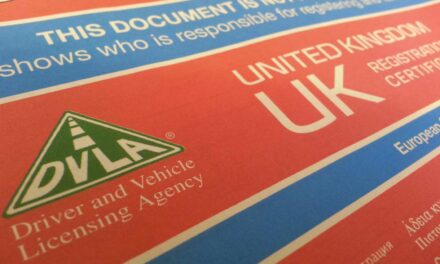
- Tell DVLA you have sold the car if you have not already. If you want a refresher, these are the DVLA steps to take before the buyer drives away.
- Contact the insurer straight away. Ask them to cancel the policy from the sale date and time, or move it to your replacement vehicle.
- Ask for the refund calculation in writing, including any admin fee and any non-refundable extras.
- Keep proof of the sale, the handover time and the cancellation confirmation.
That last point matters more than people think. If there is ever an argument about when the car stopped being yours, having the message trail, sale receipt and insurer confirmation makes life much easier.
What if you had auto-renew switched on?
Check it anyway.
If your policy is close to renewal, do not assume cancelling the current cover automatically kills any renewal instruction too. Confirm that the policy is fully closed and that no renewal payment will be taken.
This is especially worth checking if you sold the car, forgot about the policy for a few weeks and only noticed when another payment left the account.
Are there cases where keeping some cover still makes sense?
Yes, but mostly before the sale, not after it.
For example, if a car is sitting off the road waiting to be sold, some drivers keep limited protection in place for theft, fire or damage rather than road-use cover. Carwow points out a similar idea for SORN vehicles, where road insurance may not be legally required but off-road protection can still be wise.
Once the car is sold, though, that logic ends. The new owner needs their own insurance and you should not be paying to protect someone else’s car.
Common mistakes to avoid
Cancelling the moment a buyer says yes
A verbal agreement is not a completed sale. Wait until the handover is real.
Letting the policy run because the refund seems small
Even if the refund is modest after fees, continuing to insure a car you no longer own is usually the worse option.
Forgetting about add-ons
Breakdown cover, motor legal protection, key cover and similar extras do not always follow the same refund rules as the main policy. Ask specifically.
Assuming the DVLA update tells your insurer
It does not normally work that way. Tax, keeper records and insurance are linked to the same car, but they are not the same admin job.
A sensible rule of thumb
If the car has been sold and handed over, contact the insurer the same day. If a replacement car is arriving straight away, ask for a transfer quote before you cancel. If there is no next car yet, close the policy properly and get the refund figure confirmed.
That is the cleanest way to stop wasted payments and avoid admin trouble later.
Bottom line
If you sold the car and the insurance is still running, the fix is usually straightforward: contact the insurer, cancel or transfer the policy, and check the refund after fees. Just do not rush the cancellation before the buyer has paid and taken the car.
That one bit of timing is what separates a tidy sale from an avoidable insurance mess.