If you are buying a used car, a tidy V5C and a decent test drive are not enough on their own. A vehicle can look legitimate, match the seller’s story and still have outstanding finance attached to it.
That is why a proper used car finance check matters. It helps you spot problems before money changes hands, rather than after you are arguing with a seller, a lender or both.
The short answer
Before you buy a used car, run the free DVLA, MOT and recall checks, then add a proper vehicle history check that looks for outstanding finance, theft markers, serious write-off history and mileage issues. GOV.UK tells buyers to check the basics before purchase, and Citizens Advice says a history check can reveal whether the seller still owes money on the car.
In other words, the V5C is useful, but it is not the check that protects you from finance trouble.
Why the V5C is not enough
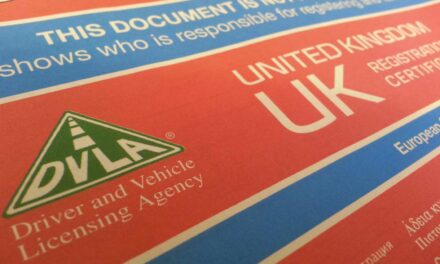
The V5C log book matters because it should match the car, the registration and the seller’s details. GOV.UK says you should ask to see it when you view the vehicle, and if the details do not stack up with DVLA records you should treat that as a serious warning sign.
But a V5C mainly tells you about registration and the registered keeper. It does not, by itself, tell you whether the car is clear of finance.
That is the gap many buyers miss. A seller can have the log book, the keys and the car on the driveway, yet a finance company may still have an interest in the vehicle. Citizens Advice is blunt that a car history check can tell you if the seller still owes money on the car.
What a used car finance check can reveal
A decent vehicle history check is designed to pick up problems that the free government checks do not cover. Depending on the provider, it can flag things such as:
- outstanding finance on the vehicle
- logbook loan markers
- theft records
- insurance write-off history
- mileage discrepancies
- plate or identity mismatches
Citizens Advice recommends a car history check because it can tell you if the car has been reported stolen, whether money is still owed on it, whether it has been in a serious accident and whether it has been written off and returned to the road.
That matters because finance trouble rarely travels alone. If a seller has been vague about one part of the car’s history, there may be other gaps too.
The checks to run before you even leave home
Before you travel to see the car, ask the seller for:
- the registration number
- the make and model
- the MOT test number if the car needs an MOT
- the current mileage
- the vehicle identification number if they are willing to share it
With that, you can do the easy checks first.
1. Check the DVLA vehicle details
Use the free GOV.UK vehicle enquiry service to make sure the registration, make, colour, tax status and other core details match what the seller told you.
If the listing says blue manual hatchback and DVLA says black automatic estate, stop there.
2. Check the MOT history
GOV.UK also lets you check MOT history for free. You want the mileage pattern to make sense, the failure history to be believable and any advisories to match the condition of the car in front of you.
If you need a refresher on reading the record properly, Motoring Mojo already has a guide to spotting used car red flags in an MOT history check.
3. Check for outstanding safety recalls
A recall check is another easy win before you pay. An unfinished safety recall can point to poor upkeep and, in some cases, a fault serious enough that the manufacturer wants the car inspected before normal use.
Motoring Mojo also has a separate guide on the free UK recall check to run before you buy.
4. Run a proper vehicle history check
This is the step that can catch outstanding finance. Citizens Advice specifically points buyers towards car history checks for issues including money still owed on the car. Specialist providers such as HPI also warn that outstanding finance is a real risk on used vehicles.
This is the check that answers the question the V5C cannot answer on its own.
What to do when you are standing with the car
Once the basic checks look clean, you still need to make sure the paperwork and the seller line up with the car.
Work through this list:
- check the seller’s name and address against the V5C if you are buying privately
- make sure the VIN on the car matches the documents
- compare the mileage on the dashboard with the advert, service records and MOT history
- ask whether any finance has ever been settled recently and, if so, ask for evidence
- be cautious if the seller pushes for a rushed deposit before you have run checks
- do not treat a green new keeper slip as proof that everything else is fine
GOV.UK says the seller should register the vehicle to you and give you the green new keeper slip when the sale is completed. That is important for registration, but it is not a substitute for checking the car’s history first.
If a finance check shows a problem
Do not shrug it off and hope it sorts itself out later.
If the history check shows outstanding finance, your safest options are usually:
- ask the seller to settle it first
- ask for written proof of settlement, not a verbal promise
- wait until the finance marker clears before you pay in full
- walk away if the explanation is vague, defensive or rushed
This matters even more in a private sale, where you are relying heavily on your own checks.
Some buyers assume they can just sort it out later if a problem appears. That is a bad plan. HPI warns that if a vehicle has outstanding finance, you could end up losing the vehicle. Citizens Advice says buyers often have a right to keep the car under "good title" rules even if it turns out to be on hire purchase or conditional sale, but that is not something you want to test after you have already paid.
The smarter move is to avoid the argument in the first place.
Dealer sale or private sale: which is riskier?
Both need checks, but private sales are where finance surprises can hurt more.
With a dealer, you at least have a business address, a paper trail and stronger consumer rights if something has been misrepresented. In a private sale, recovering money can be much messier if the seller disappears or denies what they told you.
That does not mean every private seller is risky. It means the finance check matters even more because you have fewer safety nets if you skip it.
If you already bought the car and then discover finance
Act quickly.
Keep the advert, messages, bank transfer record, bill of sale and any written promises from the seller. Contact the finance company named on the report and explain when and how you bought the car. Then get advice from Citizens Advice, especially if the finance is hire purchase or conditional sale.
Citizens Advice says buyers often have a right to keep the car, known as good title, even when there is outstanding hire purchase or conditional sale. That can help, but it is still a dispute you would rather avoid.
Bottom line
A clean-looking V5C should never be your final green light on a used car. The sensible buying routine is simple: run the free government checks, add a proper history check for finance and only pay when the story, the paperwork and the vehicle all match.
It is a small amount of effort compared with the cost of buying the wrong car.