If you are about to buy a used car, the free DVLA check should be one of the first things you run. It is quick, official and useful. But it is not the whole job.
The short answer is no. A free DVLA check is good for confirming the car matches basic official records, but it will not tell you everything that can cost you serious money later. On its own, it is not enough protection for most private used-car purchases.
For a cheap runabout from somebody you know well, you might decide that is a risk worth taking. For almost any normal private sale, though, the smarter approach is to combine the free government tools with a proper paid vehicle history check before money changes hands.
What the free DVLA check is actually good for
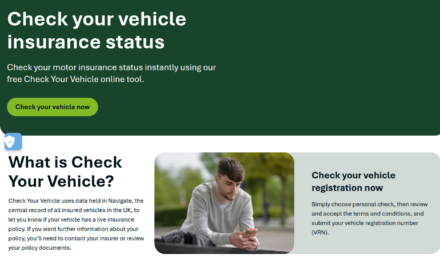
The official DVLA vehicle enquiry service lets you check a vehicle using its registration number. According to GOV.UK, it can show details including:
- whether the car is taxed
- whether it is on SORN
- when the MOT expires
- the date of first registration
- the last V5C issue date
- year of manufacture
- engine size, fuel type and emissions data
- export status
That is useful because it gives you a fast reality check against the advert and the seller’s story.
If the advert says the car is a 2019 petrol automatic in blue, but the DVLA record shows a different fuel type, a different year or a recent V5C issue date the seller cannot explain, you have a reason to stop and ask questions before you go any further.
It is also handy for practical checks. If the seller claims the car is taxed for months, remember that tax does not transfer with the car. But the DVLA record can still show whether the car is currently taxed and whether its MOT is live right now.
What the free MOT history check adds
The other essential free tool is the MOT history service. GOV.UK says it shows whether the car passed or failed previous tests, the mileage recorded at each test, when the next MOT is due, and, for tests in England, Scotland and Wales, what parts failed and whether there were minor problems.
That matters because MOT history often tells a truer story than the advert. It can reveal patterns such as:
- repeated tyre, suspension or brake advisories
- corrosion appearing year after year
- long gaps in testing
- a car that keeps failing on neglect rather than one-off wear items
- mileage jumps that deserve closer scrutiny
A used car can look tidy on a driveway and still show a history of poor upkeep once you read a few years of test results.
The vehicle recall checker is worth running too. GOV.UK says you can use a registration number to check whether a car has an outstanding safety recall, and it notes that a car can have MOT history and still need recall work.
Where the free checks stop
This is the part that catches buyers out. The free government tools are strong on official status and MOT history, but weak on financial and provenance risk.
A free DVLA check will not usually tell you whether the car:
- has outstanding finance attached to it
- has been recorded as stolen
- has been written off by an insurer
- has had a number plate transfer that hides older history
- has been scrapped and should not be back on the road
- has identity issues involving the VIN or V5C details
Those are the problems that can turn a cheap buy into an expensive mess. Outstanding finance is the obvious one. If the seller does not have clear title, your bargain can become somebody else’s legal problem very quickly.
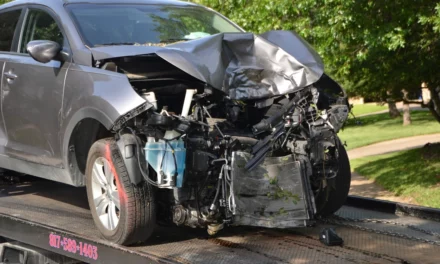
Then there is insurance write-off history. A Cat S or Cat N car is not automatically a bad buy, but it is absolutely something you want to know before agreeing a price. If the seller does not mention it and your checks do not catch it, you can end up overpaying for a car the market values very differently.
What a paid vehicle history check can reveal
Paid reports vary slightly by provider, but the big advantage is that they go beyond the basic public record. The AA says its vehicle check can report outstanding finance, stolen markers, insurance write-off status, incorrect mileage, number plate transfers, scrapped status, V5C and VIN matching information, and whether the car has been imported or exported.
That is why people still use the phrase HPI check, even though there are now several providers in the market. What you are paying for is not tax or MOT data. You are paying for deeper risk checks that the free tools do not cover well.
In practice, a paid check is usually most valuable when:
- you are buying privately
- the car is worth enough that a mistake would hurt
- the seller is vague about paperwork
- the price looks unusually low
- the car has changed plates before
- you suspect the mileage story does not quite add up
When the free checks might be enough
There are a few cases where some buyers may stop after the free tools and a careful inspection.
For example, if you are buying a very cheap project car, or buying from a close relative whose history with the car you already know, you may decide the risk is low enough. A dealer sale also gives you more legal backup than a private sale, although even then the checks are still worth doing.
But for the ordinary private used-car deal, where you are about to hand over thousands of pounds to somebody you do not know, skipping the paid history check to save a small fee is usually a false economy.
A sensible used-car checking order
If you want a practical routine that does not waste time, use this order:
1. Start with the free DVLA check
Confirm the car broadly matches the advert and that the official basics make sense.
2. Read the MOT history, not just the pass result
Look for repeated advisories, mileage consistency and signs of long-term neglect.
3. Run the recall check
Outstanding safety work is easy to miss if you do not look for it.
4. Compare the paperwork on the day
Make sure the V5C details, registration, VIN and seller information line up with the car in front of you.
5. Pay for a proper vehicle history check before transfer
This is the step that helps uncover finance, theft, write-off or identity problems.
6. Only then decide whether the price still makes sense
A clean history does not make a bad car good, but a hidden history problem can make even a shiny car a poor buy.
Red flags that mean you should not rely on the free checks alone
Treat a paid check as close to essential if you spot any of these:
- the seller wants a quick sale and pushes for a deposit
- the V5C was issued recently and the reason is unclear
- the registration has changed before
- the mileage is low for the age but the cabin wear says otherwise
- the MOT history shows repeated advisories that the seller downplays
- the price is well below the obvious market level
- the seller says a finance marker is "probably already cleared"
That last one is especially simple. Probably is not good enough. Either the finance is cleared and documented, or you walk away.
So, is the free DVLA check enough?
No. It is important, but it is only the start.
Use the DVLA, MOT history and recall tools because they are official, free and genuinely useful. Then, if you are serious about the car, spend the extra money on a proper history report before you pay.
That combination gives you a much better chance of spotting the expensive problems that the basic checks can miss. In used-car buying, that is usually money well spent.