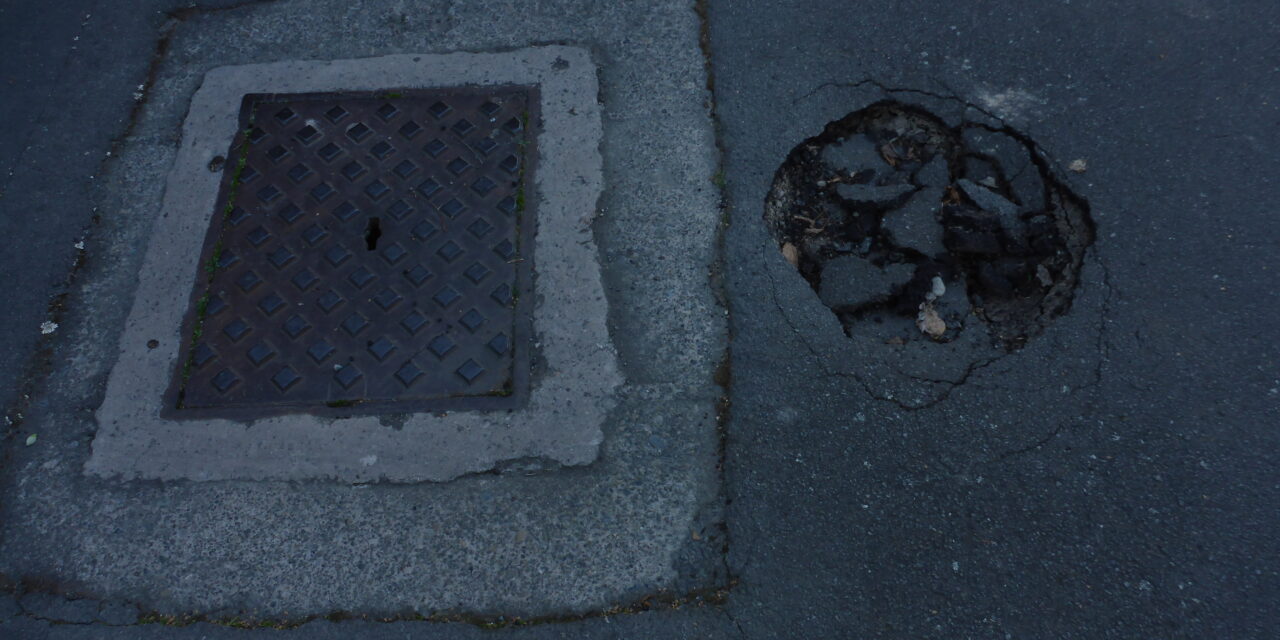
A pothole can do far more than ruin the drive home. One hard impact can leave you with a split tyre, a cracked alloy, bent suspension parts or steering that no longer feels straight. The expensive part usually starts after the bang, because drivers who could have made a decent claim often lose it by repairing the car first, collecting weak evidence or sending the complaint to the wrong authority.
RAC pothole reporting says its patrols attended thousands of pothole-related breakdowns in 2025, so this is not some edge-case headache that only hits the unlucky few.
If you think a pothole has damaged your car, this is the UK checklist that gives you the best chance of recovering your costs.
First, make the car safe
Your first job is not the claim. It is safety.
If the tyre has gone flat, the steering feels wrong, warning lights have appeared or the car is clearly unsafe, stop somewhere safe and get help. Do not keep driving just to get home if the wheel, tyre or suspension may be damaged.
If the incident happened on a motorway, do not walk back down the carriageway to inspect the hole or take pictures. GOV.UK is explicit that trespassing on a motorway is a criminal offence, and National Highways says the same in its claims guidance.
Who do you claim from?
This is the step that catches people out. You do not claim from one national pothole office. You claim from the authority responsible for that road.
| Road type or location | Who to contact |
|---|---|
| Most local roads in England | The local council responsible for that road |
| Motorways and many major A roads in England | National Highways |
| London red routes | Transport for London |
| Scottish trunk roads and motorways | BEAR Scotland or Amey, depending on the route |
| Other roads in Scotland | The relevant local council |
| Welsh trunk roads and motorways | Traffic Wales |
| Other roads in Wales | The relevant local council |
| Roads in Northern Ireland | Department for Infrastructure |
GOV.UK’s vehicle-damage guidance is the best starting point if you are not sure who manages the road. It also points out one easy-to-miss exception: if debris thrown up by another vehicle caused the damage, you cannot claim from the highway authority on that basis and should speak to your insurer instead.
The evidence checklist to do before the repair
The strongest claims are built before the car goes into a garage. If you can do so safely, gather as much of this as possible.
1. Photograph the damage on the car
Take clear photos of:
- the damaged tyre
- any cracked or buckled alloy wheel
- any bulge, cut or sidewall split
- suspension or underbody damage if visible
- dashboard warning lights if they appeared after the impact
Take wide shots and close-ups. Make sure the images are sharp and timestamped if your phone allows it.
2. Record the exact location
This matters more than many drivers realise.
Write down:
- the road name and direction of travel
- the nearest house number, junction, lamp post, bridge, lay-by or landmark
- the postcode if you can get it
- the date and time
- weather and visibility conditions
On roads managed by National Highways, GOV.UK says the nearest marker post number or another precise location feature is especially useful.
3. Photograph the pothole if it is safe
If you are on an ordinary road and it is safe to do so, photograph the pothole itself from several angles. Include something that helps show scale, such as nearby road markings or a familiar object. If traffic conditions make this unsafe, skip it. A weak photo is better than getting hurt, but no photo is worth stepping into traffic for.
4. Note the shape, size and position
RAC advice for pothole claims recommends writing down the rough size, shape and depth of the defect and making a simple sketch if needed. That can help later if the pothole is repaired before anyone inspects it.
5. Get witness details if anyone stopped
If another driver, passenger or pedestrian saw what happened, take their name and contact details. Independent evidence can help if the authority disputes your account.
6. Keep every receipt and quote
This is essential.
Keep:
- breakdown recovery invoices
- tyre invoices
- wheel repair or replacement bills
- alignment reports
- suspension inspection reports
- any temporary transport costs you want to raise
National Highways says claimants should provide copies of documents and receipted invoices to support losses, while keeping the originals in case they are requested later.
Should you repair the car before the claim is decided?
Usually, yes, if the car needs urgent work to be roadworthy. Waiting weeks for a claim outcome while the car sits unusable rarely makes sense.
National Highways says damaged property should generally be repaired as quickly as possible and that compensation is aimed at the original loss, not knock-on losses you let build up. In plain English, do not leave the car sitting on a destroyed tyre for weeks and expect every extra cost to be covered.
The smart move is to document the damage thoroughly, ask the garage to note what they found, and keep all invoices.
What to put in the claim
A good pothole damage claim is factual, specific and boring. That is a compliment.
Do not send an angry rant. Send a clear timeline with evidence attached.
Include:
- what happened
- what damage the pothole caused
- why you believe the road authority is responsible
- the exact location
- the date and time
- your photos
- witness details, if any
- copies of repair estimates, invoices and other losses
GOV.UK says claims should tell the responsible organisation what the damage was, why you think it is responsible, the specific location and the date and time the damage happened.
Why pothole claims get rejected
This is the bit many guides gloss over.
A pothole existing is not, by itself, proof that you will win.
National Highways spells this out clearly. There is no automatic right to compensation, and highway authorities can defend a claim if they can show they took reasonable steps to inspect and maintain the road. That legal defence sits under section 58 of the Highways Act 1980.
In practice, that means claims often fail because the authority says:
- it did not know about the defect yet
- the pothole had not reached the intervention threshold at the last inspection
- inspections were being carried out on a reasonable schedule
- repairs had already been ordered or completed appropriately
- another party, not the authority, caused the problem
That is why precise evidence matters. If the hole had clearly been there for a while, had already been reported, or was severe enough that a reasonable inspection should have caught it, your position improves.
Report the pothole as well as claiming
Do both.
A compensation claim is about your loss. A defect report is about getting the road fixed and creating a record that the authority was told about it.
GOV.UK has a reporting route for potholes, and many councils have their own online forms. If your claim is challenged later, a report reference and timestamp can only help.
What about claiming through insurance instead?
Sometimes insurance is the better route, especially if the damage is major and you need the car sorted immediately.
But before you go through your insurer, check:
- your excess
- whether the likely repair cost is actually above that excess by enough to matter
- whether you are comfortable making a claim that could affect your future premium or no-claims discount
For a single tyre or wheel, a direct claim against the authority may be more sensible. For bigger suspension or underbody damage, insurance can be the faster way to get moving again while you decide whether to pursue recovery separately.
How long does it take?
Expect patience to be part of the process.
There is no universal UK timetable because councils all run their own systems. National Highways says it aims to acknowledge a fully completed claim within 21 days and reach a liability decision within 90 days after acknowledgement. Local authority claims can be quicker or slower.
If you want a fast payout next week, you may be disappointed. If you want a better chance of success eventually, concentrate on evidence quality rather than speed.
A simple action plan after hitting a pothole
If you want the short version, do this in order:
- Get yourself and the car somewhere safe.
- Do not walk on a motorway to take photos.
- Photograph the car damage.
- Record the exact location, time and road details.
- Photograph the pothole if it is safe.
- Keep witness details.
- Get the car inspected and keep every quote and receipt.
- Report the pothole.
- Send the claim to the correct authority with a clear evidence pack.
The bottom line
A pothole damage claim in the UK is rarely won by whoever shouts loudest. It is usually won or lost on small details: the exact road, the exact location, the quality of the photos, the garage paperwork and whether the authority can show it had a reasonable inspection system in place.
So if you hit a pothole tonight, think like a claims handler before you think like an outraged driver. Get safe, gather evidence, send it to the right authority and keep the paperwork tight. That is what gives you a realistic shot.