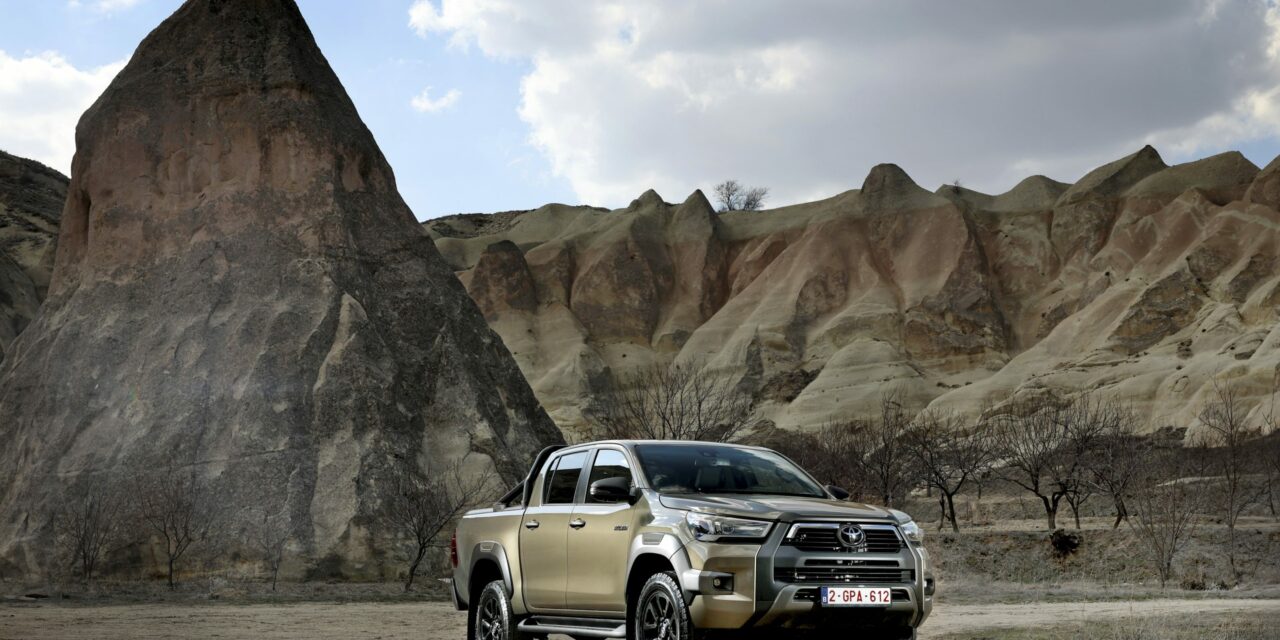
If you are buying a car to tow a trailer, caravan, horsebox or small plant trailer, the easy mistake is to fixate on one headline towing figure and assume the job is done.
It is not.
In the UK, a sensible tow-car decision is a mix of licence entitlement, the car’s towing limit, the gross train weight on the plate, the trailer’s own maximum authorised mass, and a few legal basics that too many buyers only discover after the deal is done.
That matters because a car can look perfect in an advert and still be the wrong answer once you factor in the trailer, the load, the family, the kit in the boot and the legal limits that actually apply on the road.
The short answer
If you are buying a tow car in the UK, check these before you agree anything:
- your driving licence entitlement
- the car’s braked towing limit
- the gross train weight on the VIN plate
- the trailer’s maximum authorised mass
- the noseweight limit for the car and tow bar
- whether the tow bar, mirrors, brakes and trailer plate setup will be legal
A big engine or chunky SUV shape does not prove a car is a good tow car. The numbers on the plates and in the handbook matter more.
Start with your licence, not the brochure
Before you even shortlist cars, make sure your licence covers the combination you want to tow.
GOV.UK says drivers who got their licence from 1 January 1997 can tow a trailer up to 3,500kg MAM. The GOV.UK driving licence categories page also says that with a category B vehicle, the combined MAM of the vehicle and trailer must not exceed 7,000kg.
If you passed before 1 January 1997, GOV.UK says you can usually drive a vehicle and trailer combination up to 8,250kg MAM, but you should still check your own licence record.
That is the first reality check. Plenty of buyers jump straight to cars with big towing claims without first checking what they are personally allowed to tow.
The towing figure everyone looks at
The number most buyers spot first is the car’s maximum braked towing capacity.
That figure matters, but it is only one piece of the puzzle. It tells you the heaviest braked trailer the manufacturer says the vehicle can tow. If your trailer and load exceed that figure, that car is out.
But do not stop there, because a legal-looking brochure figure can still hide a bad match.
The plate that matters most is the VIN plate
GOV.UK says most cars have a maximum weight they can tow listed in the handbook or specification sheet, but it also points buyers to the vehicle identification number plate. On many cars this is under the bonnet or inside the driver’s door.
The key number is the gross train weight.
GOV.UK says gross train weight is the weight of the fully loaded car plus the fully loaded trailer, and it must not be exceeded. It also says that if the VIN plate does not list a train weight, you should not use the vehicle for towing.
That is a much bigger deal than many used-car adverts make it sound.
If you are buying a used car to tow with, ask for a clear photo of the VIN plate before you travel. If the seller cannot provide one, or the plate is damaged or unreadable, treat that as a real warning sign rather than a minor annoyance.
Why a headline towing claim can still mislead you
A car might have a healthy towing limit on paper, but your real-world setup can still run into trouble if:
- the car is loaded with passengers and luggage
- the trailer is close to its own MAM
- the combined weight pushes you towards the gross train weight limit
- the tow bar or noseweight limit is lower than you expected
This is why buying a tow car is not just about the biggest number in the advert. It is about whether your actual loaded combination works.
If you are shopping for a family SUV or pickup because you want one car to do everything, this is the point where many buyers realise they need to check the numbers for their own trailer, not somebody else’s caravan forum post.
Check the trailer’s MAM, not your optimistic guess
GOV.UK’s towing guidance is built around maximum authorised mass, or MAM. That matters because the law does not revolve around vague guesses about what you usually carry. It revolves around the limits attached to the vehicle and trailer.
The trailer’s MAM is normally shown on its plate or in its paperwork. If you do not know it, you do not really know whether a car is suitable.
That means the right buying order is:
- confirm the trailer’s MAM
- confirm your licence entitlement
- confirm the car’s towing limit and gross train weight
- only then decide whether the car is a fit
Doing it the other way round is how people end up buying first and checking later.
Do not ignore noseweight
Noseweight is the downward force the trailer puts onto the tow ball.
This is one of the least glamorous numbers in towing, which is probably why it gets missed so often. But it matters for stability and legality.
The safe limit is usually set by the lower of the car’s noseweight limit and the tow bar’s noseweight limit. If either one is too low for your setup, you need a different answer, not wishful loading.
When you are buying a used tow car, ask for:
- the exact tow bar make and model if one is already fitted
- proof that it is approved for that vehicle
- the tow bar rating plate if possible
A fitted tow bar is not automatically a useful tow bar.
Tow bar rules are worth checking before you buy
GOV.UK says that if you get a tow bar for your car, it needs to be type approved so it meets the regulations and is designed for your car. It also says cars first used before 1 August 1998 do not need a type-approved tow bar.
For a buyer, that creates two obvious checks.
First, if the car already has a tow bar fitted, make sure it is the right one for that model.
Second, if the car does not have one, price up a proper fitted tow bar before you decide the car is a bargain. The cheapest car in the advert can stop looking cheap once the towing hardware is added properly.
Speed limits change the moment you tow
This catches drivers out because the car itself may be capable of 70mph motorway cruising all day, but the legal speed limit changes when a trailer is attached.
GOV.UK says that cars, motorcycles, car-derived vans and dual-purpose vehicles when towing caravans or trailers are limited to:
- 30mph in built-up areas in England, Scotland and Northern Ireland
- 20mph in built-up areas in Wales where the lower limit applies
- 50mph on single carriageways
- 60mph on dual carriageways
- 60mph on motorways
So if you are buying a car mainly for long-haul towing, remember that the motorway reality is a 60mph job, not a 70mph one.
Mirrors, brakes and trailer kit are part of the buying decision
A tow car is not just the car.
GOV.UK says you must have an adequate view of the road behind you, and you need suitable towing mirrors if the trailer or caravan is wider than the rear of your car. It also warns that towing without proper mirrors can mean a fine of up to £1,000 and 3 penalty points.
GOV.UK also says:
- a trailer must have a working brake system if it weighs over 750kg when loaded
- any trailer brakes must be in good working order
- you must use a breakaway cable or secondary coupling in case the trailer becomes detached
- the trailer must display the same number plate as the towing car
That is why a used tow-car purchase should include a proper look at the whole setup. A legal towing outfit is a system, not just an engine and a hitch.
Used tow car checks that matter before you pay
If you are buying used, the towing-specific checks are different from the usual school-run SUV checklist.
1. Check for a hard towing life
A car that has done regular towing may still be a good buy, but it deserves a more careful look.
Pay close attention to:
- clutch bite and any sign of slip on a manual
- smooth automatic gearbox take-up when moving off
- rear suspension sagging or uneven ride height
- overheating history or cooling-system issues
- rear tyre condition and matching load-rated tyres
- signs of corrosion or damage around the tow bar mounting area
Towing itself is not a red flag. Poor maintenance is.
2. Ask what it actually towed
A seller saying "it only towed a small trailer" means very little on its own.
Ask what kind of trailer it pulled, how often, and whether the car was used for local tip runs or long-distance caravan work. The answer will not always be perfect, but the way the seller responds can tell you a lot.
3. Check whether the tow bar installation looks professional
If the electrics are messy, the socket is loose, or the bar looks like it was fitted with optimism rather than care, budget for a proper inspection.
4. Do not buy on engine size alone
A bigger diesel is not automatically the smarter tow-car buy if the plate limits, payload or train weight do not suit your trailer. Equally, some well-matched estates and SUVs make better tow cars than buyers expect because the numbers work cleanly.
5. Read the handbook before the handover, not after
You want the official towing data for that exact model, engine and transmission. Trim-level differences matter. So do 2WD versus 4WD differences on some cars.
Common mistakes when choosing a tow car
Assuming all versions of the same model can tow the same weight
They cannot. Engine, gearbox, drivetrain and year can all change the towing limit.
Confusing what is legal with what feels comfortable
A combination can feel stable at one speed and still be the wrong match on paper. The legal limit is still the legal limit.
Ignoring the trailer because "it will never be fully loaded"
That confidence tends to fade once holiday gear, tools, feed, bikes or camping kit start piling up.
Forgetting that passengers and luggage still count
Your real use matters more than a stripped-out test figure.
Buying a car with no visible train weight on the plate
GOV.UK is blunt here. If the VIN plate does not list a train weight, you should not use the vehicle for towing.
A practical shortlist test before you buy
If you are comparing two or three used cars, run this simple filter:
- confirm your licence entitlement online
- get the trailer’s MAM from its plate or paperwork
- get the car’s towing limit from the handbook or manufacturer data
- get a photo of the VIN plate and confirm the gross train weight is present
- check the noseweight limit for the car and tow bar
- price the tow bar and electrics if the car does not already have them
- check whether you will need towing mirrors for your setup
- walk away if any of those answers are vague
That process is less exciting than obsessing over bhp figures, but it is far better at stopping an expensive mistake.
Bottom line
The best tow car is not the one with the toughest advert or the biggest engine. It is the one whose licence limits, towing limit, gross train weight, trailer MAM and hardware ratings all line up properly for your real use.
If you are buying used, ask for the VIN plate, the handbook data and the tow bar details before you commit. That five-minute admin check can save you from buying a car that looks right in the driveway but is wrong for the trailer waiting at home.
Sources: GOV.UK towing with a car, GOV.UK towing weight and width limits, GOV.UK trailers, caravans and towing equipment, GOV.UK driving licence categories, GOV.UK speed limits.