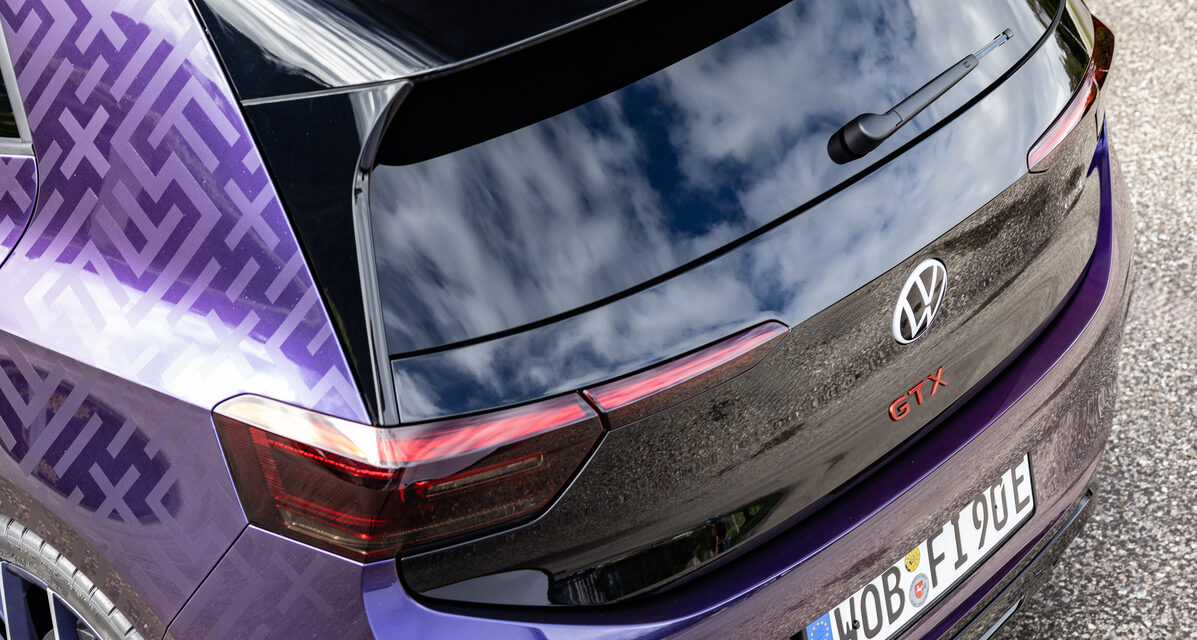
The Volkswagen ID.3 has become one of the more interesting used EVs: it is roomy for its footprint, properly electric rather than a conversion of a petrol hatchback, and early cars are now within reach of buyers who would once have looked at a conventional family hatch. That does not make every example a safe bet.
The crucial difference between a good ID.3 and a frustrating one is often not the claimed range. It is whether the car has been kept up to date, charges as it should and feels complete in the cabin. Treat the viewing as a test of the car’s digital basics as well as its mechanical condition.
Start with the exact car, not the advert’s battery headline
ID.3 names, battery sizes and equipment changed during the car’s life. Some adverts use gross battery capacity, some use usable capacity, and trim labels do not always tell the whole story. Before travelling, ask the seller for the registration, VIN, first-registration date and a photo of the vehicle details screen. Then compare the advertised version with the original specification and the V5C.
Do not try to turn the dashboard’s predicted miles into a battery-health certificate. The estimate moves with temperature, route, driving style, heating and recent journeys. It is useful as a prompt for questions, not a verdict on the battery.
Give the infotainment system time to misbehave
On an early ID.3, a two-minute poke at the central screen is not enough. Start the car, leave it on for a while and use the functions you will depend on. Pair a phone, open the navigation, enter a destination, alter the climate controls, switch the reversing camera on if fitted and try the steering-wheel controls. Listen for clean audio and check that the screen responds consistently rather than only after repeated taps.
Ask which software version the car is running and whether it has had dealer updates. A seller does not need to know every technical detail, but a car with a documented update history and a system that behaves properly on the day is much easier to trust than one described as needing a reset.
Check the driver display too. It should wake normally, show the selected gear clearly and not disappear or reboot during the drive. Test every key fob supplied, the locking, boot release and charging-flap release. Small electronic faults are not automatically a reason to walk away, but they are a reason not to pay the price of a fault-free car.
Make charging part of the viewing
If the seller will not allow a charge test, assume you have not finished checking the car. The best option is a short AC charge using a known-good Type 2 lead, followed by a look at the charging screen and the charge flap. Check that the car accepts the plug, locks it, starts charging and releases it normally when the session ends. Inspect the supplied cable for heat damage, crushed sections, cracked plastic and bent pins.
A public rapid-charge test is even better where practical, but it needs to be planned rather than improvised. It confirms more than the charge port: it can reveal payment-app, connector and error-message issues. Do not judge a car purely by the peak charging figure shown for a moment. Charge speed depends on battery temperature, state of charge and the charger itself. What matters at a viewing is that the car starts and maintains a normal session without warnings.
For a useful first-public-charge routine, see our UK public EV charging checklist. If a cable is part of the deal, our guide to used EV charging cables explains the quick physical checks worth making.
Ask for battery evidence, but keep the question sensible
The ID.3’s high-voltage battery is covered by a separate manufacturer warranty, subject to its terms, age and mileage. Ask the seller for the original warranty paperwork, service invoices and any battery-health report they are relying on. If they quote a percentage, ask who produced it, when it was measured and under what conditions. A printout from an independent specialist can be useful, but it is not interchangeable with a manufacturer warranty.
Check the remaining warranty position with Volkswagen using the VIN before money changes hands. Also ask the dealer to confirm that any outstanding campaigns or recalls have been completed. Do not accept “it has probably had them” as evidence. The official MOT history service will not show battery condition, but it can help you compare recorded mileage and see recurring tyre, brake or suspension comments.
Use the road test to look beyond range
Set off with the radio off for the first few minutes. Listen for knocks over rough surfaces, a rumble that rises with road speed and any pulling under braking. EVs are quiet enough to make tyre and suspension noise easier to hear. Check that the steering self-centres, that the car tracks straight on a flat road and that the brakes feel progressive rather than rusty or grabby.
Try the different drive and regeneration settings if the car has them, but do not confuse strong regenerative braking with a brake test. On a safe stretch, brake firmly enough to check for vibration, a warning light or a pull to one side. Then look through the wheels at the brake discs. Cars that do much of their stopping through regeneration can still need conventional brake attention if discs corrode through lack of use.
After the drive, inspect all four tyres. ID.3s are heavy hatchbacks and tyres are a meaningful ownership cost. Match the brand, size, load rating and speed rating to the vehicle placard and handbook. Uneven inner-edge wear, damage to an alloy or a steering wheel that sits off-centre can point to a pothole strike or an alignment issue. Get a tyre-depth reading rather than taking “loads left” as an answer.
The cabin checks that save arguments later
The ID.3’s interior is practical, but its condition tells you how it has been treated. Test the window switches, climate controls, seat adjustment, heated seats if fitted, USB ports, interior lights and the emergency charging-cable storage area. Look at the steering-wheel buttons closely. Check the rear seat, boot floor and underfloor compartments for water, broken trim or missing kit.
Confirm exactly what is included. Two working keys, the charging cable, locking wheel-nut key, tyre-inflation kit and any removable boot floor are easy to overlook. If the seller promises a second cable, a repair or an update, put it in the order form before leaving a deposit.
Which used ID.3 is the sensible choice?
There is no single best ID.3 for every buyer. A smaller-battery car can be excellent for predictable local and regional trips, while a larger-battery version may make more sense for regular motorway work. The right decision starts with your real parking, charging and journey pattern, not the longest official range figure in an advert.
Prioritise condition, charging access, update history and a clean road test over a long equipment list. A well-documented car that charges properly and comes with the useful accessories is normally a better purchase than a higher-spec example carrying unresolved screen, braking or tyre issues.
Before you say yes
- Run the registration through the DVLA vehicle enquiry service and compare the result with the advert and V5C.
- Check MOT history and recorded mileage.
- Verify the remaining vehicle and battery warranty using the VIN.
- Get written confirmation of completed recalls or service campaigns.
- Test the infotainment, both keys, AC charging and all supplied cables.
- Inspect tyres, wheels and brake discs after a proper drive.
- Price insurance before committing. EV repair costs and insurance groups can vary sharply between otherwise similar cars.
The bottom line: a used ID.3 can be a genuinely good first EV, but it rewards a methodical viewing. If the seller cannot support a proper charge test, explain the software history or let you inspect the paperwork, keep looking. There will be another one.