
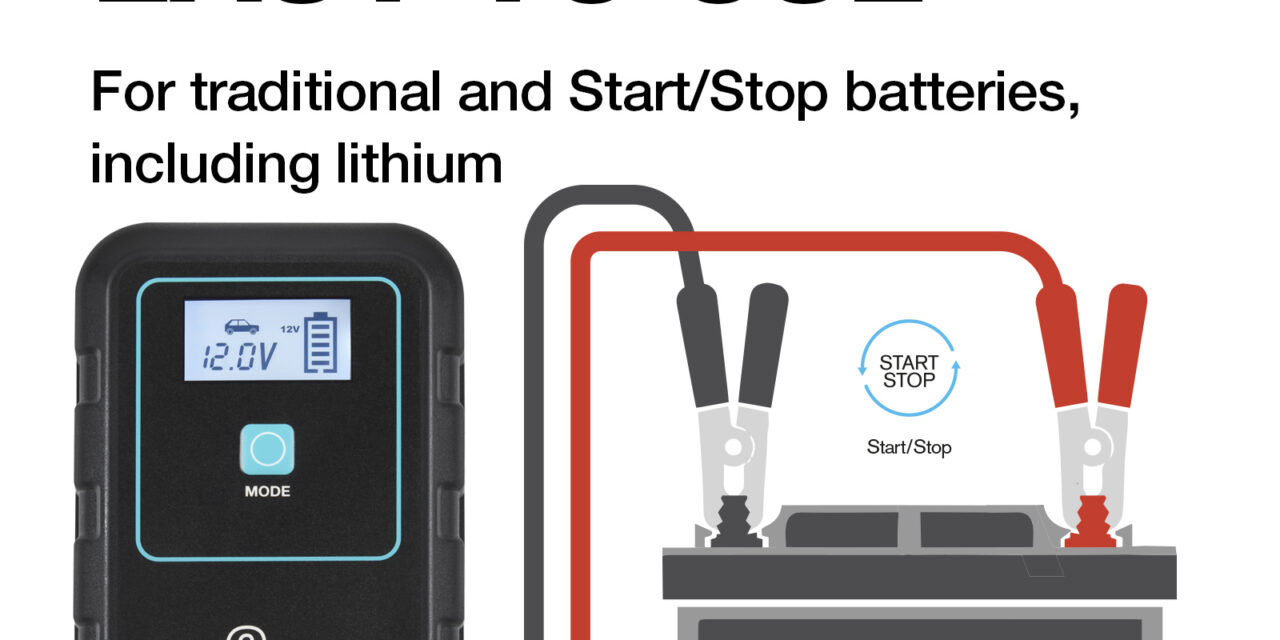
A good home battery charger can save a healthy 12V battery from going flat, keep a rarely used car ready to start, and help you avoid buying a replacement battery too early. The trick is choosing the right type. Many UK drivers do not need a heavy-duty workshop charger. They need a smart charger or maintainer that is safe, simple and compatible with modern stop-start batteries.
If you want the short version, the best car battery charger for home use in the UK is usually a smart 12V charger with automatic maintenance mode, support for AGM or EFB batteries, and enough output to suit your battery size. For most drivers, that means a 5A to 6A unit from a reputable brand.
Quick answer
For most UK home users, a 5A to 6A smart charger is the sweet spot. It is strong enough for typical petrol and diesel car batteries, gentle enough for maintenance charging, and far easier to live with than an old-school manual charger. If your car has stop-start, check for AGM or EFB compatibility before you buy. If you also own a motorcycle, classic car or stored weekend car, automatic maintenance mode matters just as much as outright charging speed.
The four chargers worth shortlisting
1. CTEK MXS 5.0 UK – best overall for most drivers
If you want the safest all-round choice, this is the one I would start with. CTEK says the MXS 5.0 is a 12V automatic charger for lead-acid batteries from 1.2Ah to 160Ah, with AGM mode, reconditioning mode and built-in temperature compensation. That makes it a strong fit for everyday petrol and diesel cars, weekend cars and winter storage.
Why it stands out:
- 5A output suits typical home use well
- supports wet, MF, Ca/Ca, AGM, EFB and gel lead-acid batteries
- temperature compensation helps if you charge in a cold garage
- reconditioning mode is useful for deeply discharged batteries
- IP65 rating is reassuring if your charging area is not pristine
This is not the cheapest option, but it has the strongest mix of ease of use, battery compatibility and long-term ownership appeal.
2. NOCO GENIUS5 – best if you want lithium support too
The GENIUS5 is a 5A smart charger that NOCO positions as a 6V and 12V charger, maintainer and desulfator. It supports lead-acid battery types including flooded, gel, AGM and maintenance-free, and NOCO also says it works with lithium-ion batteries. For a mixed garage, that flexibility is genuinely useful.
Why it stands out:
- works with both 6V and 12V batteries
- supports lead-acid and lithium chemistries
- thermal compensation helps protect charging accuracy in hot or cold conditions
- can detect and charge very low-voltage batteries, with a manual force mode for extremely flat ones
- compact enough to store easily on a garage shelf
If you have several vehicles with different battery types, or you want one charger that does more than the average family hatchback needs, the NOCO makes a lot of sense.
3. Ring RSC906 SmartCharge 6 – best value UK-friendly smart charger
Ring’s RSC906 is a 6A smart charger and maintainer with lithium-ion compatibility, automatic maintenance mode and IP65 weather resistance. Ring describes it as a good fit for seasonal vehicles, motorcycles, caravans and more, and it is one of the more straightforward chargers here for buyers who just want something practical.
Why it stands out:
- 6A output gives it a small edge on charge speed over many 5A rivals
- maintenance mode means you can leave a stored vehicle supported properly
- IP65 weather resistance suits typical UK home conditions better than indoor-only units
- supplied with clips and eyelet connection options
- simple display and no-fuss operation
For many buyers, this is the sensible middle ground between bargain-bin chargers and premium brands.
4. Yuasa YCX6 – best for bigger batteries and regular maintenance use
Yuasa’s YCX6 is a 12V 6A smart charger aimed at cars, light commercial vehicles, motorcycles and powersport applications. Yuasa says it can charge batteries up to 120Ah from flat and maintain batteries up to 180Ah. It also supports conventional lead-acid, start-stop, EFB, AGM, lithium and gel battery types.
Why it stands out:
- good battery-capacity range for larger family cars and many vans
- 9-stage charging process focused on battery care as well as speed
- active cooling is useful if you charge regularly
- fault detection and rejuvenation functions add reassurance
- strong option if you want a charger from a battery specialist brand
If your household has more than one vehicle, or you want a charger that can handle a little more than the average hatchback battery, the YCX6 is a convincing step up.
What to look for before you buy
1. AGM or EFB compatibility
This is a big one for UK cars with stop-start systems. Many modern cars use AGM or EFB batteries rather than basic flooded lead-acid units. If your charger does not support the battery type fitted to the car, you may end up charging slowly, incompletely or in a way that is not ideal for battery life.
If you are not sure what is fitted, check the battery label first. It is much faster than guessing.
2. The right current rating
For most home users, 5A to 6A is the sweet spot. That is enough for routine charging and maintenance without buying a bulkier charger than you need.
As a rough guide:
- Up to around 45Ah: smaller smart chargers can work well
- 45Ah to 80Ah: 5A to 6A is usually the best all-round range
- 80Ah and above: lean toward 6A or more if you want less waiting around
A tiny maintainer can keep a battery topped up, but it may feel painfully slow if the battery is already heavily discharged.
3. Maintenance mode
If the car sits for days or weeks at a time, maintenance mode matters more than flashy marketing. A proper smart maintainer monitors the battery and tops it up only when needed. That is ideal for convertibles, classics, second cars and anything parked up through winter.
4. Temperature compensation
UK winters are not Arctic, but cold weather is still brutal on weak batteries. Chargers with temperature compensation adjust charging behaviour to suit conditions, which can help with charge quality in a cold garage or driveway.
5. Battery chemistry support
Many home users only need a charger for ordinary 12V lead-acid batteries. But if you want one charger for more than one vehicle, it is worth checking whether it supports:
- conventional flooded batteries
- AGM batteries
- EFB batteries
- gel batteries
- lithium starter batteries, if relevant
The more varied your garage, the more useful broad chemistry support becomes.
Charger vs jump starter: which one should you buy?
This is where many people buy the wrong thing.
A battery charger is the right buy if:
- the car is parked for long periods
- the battery drains during winter
- you want to maintain battery health over time
- you have access to mains power at home
A jump starter is the right buy if:
- you need the car running again immediately
- the car is often away from home
- you cannot rely on a mains socket nearby
- you want an emergency tool for the boot rather than a garage charger
Plenty of drivers end up owning both. If you only want one product, buy the one that matches the problem you actually have.
Safe home charging tips
Even good chargers deserve a bit of caution.
- Read the charger instructions before first use
- Confirm the battery type before choosing a charging mode
- Charge in a well-ventilated area
- Keep the charger dry unless it is specifically rated for harsher conditions
- Make sure the clamps are secure and correctly polarised
- Do not try to rescue an obviously damaged or leaking battery at home
If the battery keeps going flat after charging, the problem may be battery age, a parasitic drain, poor earths or a charging-system fault rather than the charger itself.
Which charger is best for your kind of car?
Best for a daily driver with stop-start
Go for the CTEK MXS 5.0 or Yuasa YCX6 because AGM and EFB support is crucial.
Best for a mixed garage
Go for the NOCO GENIUS5 if you want broader chemistry support, especially if lithium compatibility matters.
Best for a second car or seasonal vehicle
Go for the Ring RSC906 or CTEK MXS 5.0 because both make a strong case as easy long-term maintainers.
Best value pick
The Ring RSC906 looks especially sensible if you want a modern smart charger without drifting too far into premium pricing.
Final verdict
If you want one easy recommendation, buy a 5A to 6A smart charger with AGM or EFB support and automatic maintenance mode. That is the right answer for most UK drivers.
The CTEK MXS 5.0 is the best all-round choice here. The NOCO GENIUS5 is the most flexible if you want broader battery-type support. The Ring RSC906 is a very sensible value-led choice for UK home use, and the Yuasa YCX6 is especially strong for larger batteries and households with more than one vehicle.
If you are building out your home car-care kit, our guide to the best tyre inflator for cars in the UK is a useful next read. It also helps to understand wheel alignment vs tracking and, if you are already dealing with battery issues around test time, our explainer on battery securement MOT failure covers one of the simpler faults drivers can avoid.




Trackbacks/Pingbacks