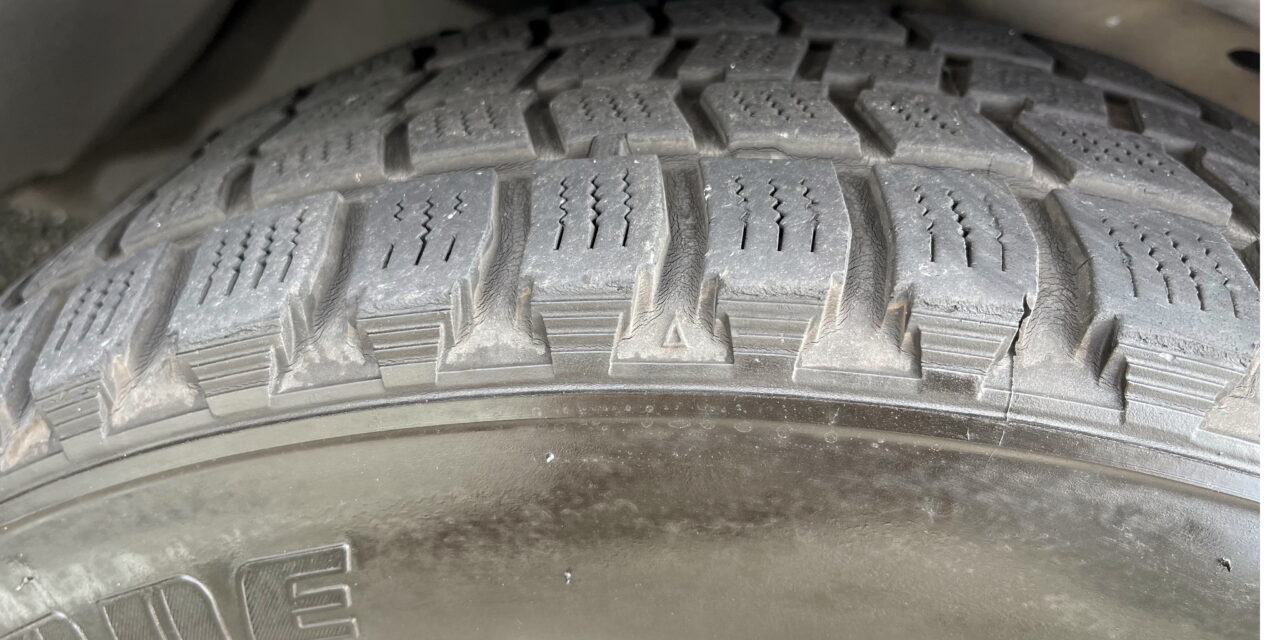
A puncture can turn a routine journey into an expensive-looking problem, but a new tyre is not always the only sensible answer. Equally, a cheap-looking repair is not automatically the safe one. The decision depends on the exact damage, what happened before you stopped and the condition of the tyre as a whole.
The useful question is not simply, ‘Can this hole be plugged?’ It is whether a competent tyre professional can inspect the tyre properly and stand behind a repair that leaves the car safe and legal. Here are the five questions worth asking before agreeing to a repair or replacement.
1. Where exactly is the damage?
A small, straightforward puncture in the central tread area is the kind of damage most likely to be repairable. A screw or nail through the main tread is very different from a cut near the shoulder or a wound in the sidewall.
The sidewall flexes heavily as the tyre rolls. It is not an area for a routine puncture repair. The same caution applies to damage close to the edge of the tread, where the casing is working hard and a repair may not be appropriate. If the fitter says the location rules it out, ask them to show you where the boundary is on the tyre rather than treating that as a sales line.
A visible object does not tell the whole story. Leave a nail or screw in place until the tyre has been assessed if the tyre is still holding air. Pulling it out can turn a slow leak into a rapid deflation and removes a useful clue about the route of the puncture. If pressure is low or the tyre looks damaged, do not drive on it.
2. Has the tyre been driven while soft or flat?
This is often the deciding question. A tyre can look almost normal from the outside after it has been run underinflated, yet the inside may have been damaged by heat and flexing. That damage cannot be judged properly from a kerbside glance.
Tell the fitter exactly what happened: whether a warning light came on, how far the car was driven, whether it felt unstable and whether the tyre was visibly flat. Do not play down the distance in the hope of saving a tyre. A replacement is cheaper than discovering a damaged casing at speed.
Run-flat tyres need particular care. Their reinforced construction may allow limited travel after a loss of pressure, but that does not mean every puncture can be repaired. The vehicle handbook and the tyre maker’s instructions matter, and the tyre must be removed for an internal inspection. A fitter should not promise a repair before that inspection.
3. Is there enough sound tread left to make a repair worthwhile?
In the UK, a car tyre must have at least 1.6mm of tread across the central three-quarters of the tread and around the complete circumference. That is the legal minimum, not a target to aim for before shopping. The government’s vehicle safety guidance also makes clear that tyres must be in good condition, not merely above one measurement.
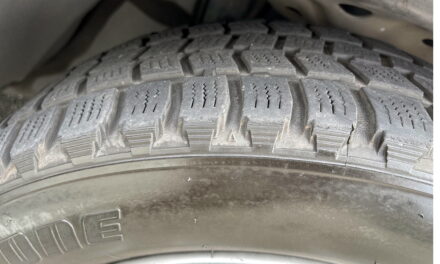
A tyre close to the legal limit, badly worn on one edge, cracked, perished, bulging or already patched in a questionable way may be a poor candidate for repair even if the puncture itself is small. Ask for the remaining tread measurement and look at the wear across the whole tyre. Uneven wear can point to alignment, suspension or inflation problems that a puncture repair will not cure.
If replacement is the better call, check the tyre’s size, load index and speed rating against the vehicle placard, handbook or the tyres already fitted. Choosing purely on headline price can create a second problem.
4. What repair method will be used?
A proper professional puncture repair is more than pushing a string plug into the outside of the tyre. The tyre should be removed from the wheel, inspected internally and repaired using an approved method suitable for the damage. That inspection is what can reveal internal rubbing, separation or other damage that is invisible while the tyre remains on the rim.
Ask the fitter to explain the method and whether the wheel will be rebalanced afterwards. If a tyre-pressure monitoring system is fitted, ask whether the pressure has been set to the vehicle recommendation and whether the system needs a reset procedure.
A sealant canister or roadside repair kit has a different job. It may get you out of danger or to a repairer, subject to the car maker’s instructions, but it is not proof that the tyre is permanently repaired. Tell the fitter if sealant has been used. It can affect the inspection, the repair decision and the clean-up work required.
5. If one tyre is replaced, what happens to the other tyre on the axle?
A single new tyre is sometimes the right answer, but it is worth discussing the matching tyre on the same axle. Big differences in tread depth, pattern or tyre characteristics can affect wet grip and how predictably the car behaves. This is especially relevant on cars with all-wheel drive, where manufacturers can set limits on differences in rolling circumference between tyres.
Ask three practical questions: does the manufacturer require a matched set or limit tread differences, should the new tyre be paired with another new tyre, and where should new tyres be fitted on this car? A good fitter will consider the vehicle, the tyres already fitted and their remaining tread rather than giving the same answer to every car.
A quick decision guide
A repair is most plausible when the puncture is small and in the central tread, the tyre has not been driven deflated, an internal inspection finds no casing damage and there is plenty of even, sound tread left.
Replacement is the safer outcome when there is sidewall or shoulder damage, a bulge, exposed cords, cracking, serious uneven wear, low remaining tread or evidence that the tyre was run soft or flat. It is also the right answer when the fitter cannot inspect the inside or cannot explain why the proposed repair is suitable.
Do not make the tyre decision from the dashboard
A tyre-pressure warning light means check the pressures and inspect the tyre as soon as it is safe to do so. It does not diagnose a puncture, and topping up the air without finding the cause can postpone a more serious problem. Check pressures cold, use the vehicle manufacturer’s figures rather than the maximum moulded into the tyre sidewall, and arrange a professional inspection if pressure keeps falling.
For an MOT, the examiner is looking at visible condition, tread and security among other items. A pass is useful, but it is not a substitute for an internal inspection after a puncture or a period of driving on a soft tyre.
The best outcome is not the cheapest repair or the quickest replacement. It is a clear diagnosis, a tyre that is still structurally sound and a bill you can understand before the work begins.