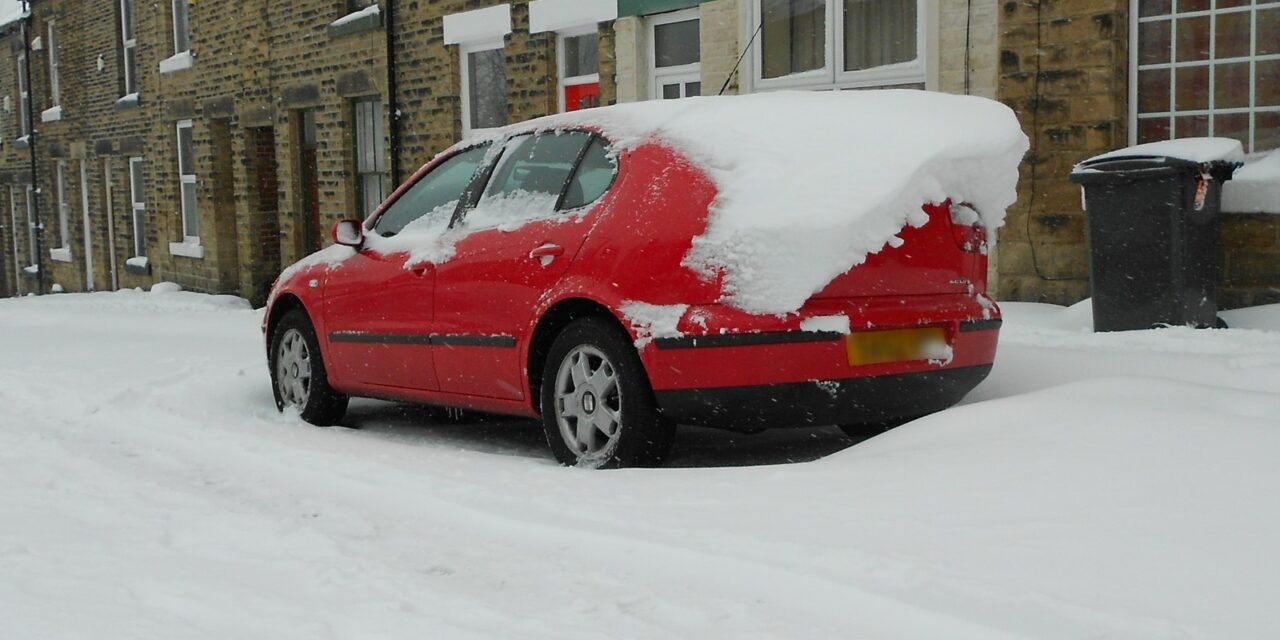
On a freezing morning, a car door that will not open is usually held by ice in the lock, ice around the rubber seal, or both. The tempting response is to pull harder. Do not. A damaged handle, bent key or torn seal will cost more than a few minutes of patient thawing.
Start by working out whether the lock or the door seal is the problem. Then use the least forceful fix. Once you are in, do not drive straight away: Highway Code Rule 229 says you must be able to see, with snow and ice cleared from all windows, mirrors clear and windows thoroughly demisted.
First, tell a frozen lock from a frozen door seal
If the remote unlocks the car but the handle moves and the door will not separate from the body, the rubber weather seal is probably frozen to the frame. If you use a mechanical key and it will not go in or turn, the lock cylinder may be frozen. On many newer cars the key blade is hidden in the fob and the lock is behind a small cap on the driver’s door. Check the handbook before trying to remove that cap, as the method varies.
Do not keep pressing the remote if the locks are not responding. It rarely melts ice and can flatten a weak key-fob battery. Try another door or the tailgate gently if it is safe to do so, but never climb through the car in a way that could damage trim or leave you unable to exit safely.
If the lock itself is frozen
- Brush loose snow away from the handle, keyhole and door shut line. This stops meltwater being pushed into the lock as you work.
- Use a purpose-made lock de-icer, following the product label. Aim it into the keyway, give it time to work, then insert the key gently. Keep the de-icer in your coat pocket or bag, not in the locked car.
- Turn the key only with light pressure. If it resists, remove it and apply more de-icer rather than twisting harder. A snapped key is a locksmith job.
- Once the lock releases, open the door gently. The seal may still be attached by ice, so do not yank the handle.
Avoid heating the key with a naked flame and do not pour boiling water over the lock. Sudden heat can damage paint, glass or plastic, and the water can refreeze in the mechanism. A hairdryer and an extension lead are also a poor answer outside in wet conditions.
If the door seal is frozen shut
Stand close to the door and press it inwards around the edge, using the flat of your hand. Work around the frame rather than concentrating on the handle. That small movement can crack the ice bond at the rubber seal. Then try the handle with controlled, steady pressure.
If it is still stuck, use de-icer sparingly along the visible shut line and wait. A plastic ice scraper can remove loose ice from the exterior, but do not force anything between the door and the bodywork. Metal tools, screwdrivers and credit cards can mark paint, damage the weatherstrip or leave you with a water leak later.
Do not prise a frameless window down from the glass. Cars with frameless doors often lower the glass slightly when the handle is pulled; forcing frozen glass risks the regulator, the seal and the window itself.
What not to do on a frozen morning
- Do not pull the handle repeatedly or lean your weight on it.
- Do not force a key that will not turn.
- Do not use boiling water. It can refreeze and may crack very cold glass.
- Do not use petroleum jelly or other improvised oily products in the lock. Use a product intended for locks and follow its directions.
- Do not set off with only a small clear patch in the windscreen. Rule 229 requires all windows to be clear, mirrors clear and the glass properly demisted.
Prevent the same problem tomorrow
After the car has dried, wipe the door seals clean and inspect them for splits, flattening or loose sections. A rubber-care product or silicone-based seal treatment, used as directed and only where the vehicle maker permits it, can help keep the rubber supple and reduce sticking. Avoid coating the painted door shut or the latch mechanism.
Parking under cover helps, but a windscreen cover can still be useful outdoors because it reduces the time spent clearing the car before setting off. Keep an ice scraper and de-icer accessible from outside the car. If your vehicle has a mechanical key blade, make sure you know how to use it before the first hard frost.
For the journey itself, the Highway Code advises particular care on icy or snowy roads and warns that stopping distances can be up to ten times greater than on dry roads. Leave more time than usual rather than trying to make up the delay once you are moving.
When to call for help
Stop trying and seek a locksmith, breakdown provider or garage if the handle feels loose, the key bends or will not enter properly, several doors keep freezing shut, or you find damp carpets or water inside the car. Those signs can point to a failed latch, a worn seal or blocked drainage rather than ordinary overnight frost.
A frozen door is inconvenient, not a reason to rush. Release it gently, clear the whole car properly and give the conditions the time they demand.