Hiring a car in London can feel like the easy option: book it, collect the keys and get on with the journey. But the Ultra Low Emission Zone is one detail worth settling before you pull away from the desk.
The crucial point is not whether you own the vehicle. It is whether that particular hire car is liable for the charge, whether the rental firm has a payment arrangement, and what its terms say it can recover from you. Leaving those questions until after the trip can turn a £12.50 daily charge into an avoidable argument or, worse, a penalty notice plus an administration fee.
Start with the registration, not the car’s age
Do not rely on a vague promise that the fleet is modern or that a car is probably compliant. Ask for the registration once the rental company can provide it, then use TfL’s official vehicle checker. It gives the answer for the actual vehicle rather than a rule of thumb based on fuel type or year.
That matters because ULEZ liability is tied to the vehicle and its emissions standard. For ordinary car hirers, the usual question is simply whether the vehicle passes TfL’s check. If it does, there is no ULEZ daily charge. If it does not, make sure you know how the charge will be dealt with before accepting the keys.
If the company cannot confirm the registration until collection, ask it to confirm in writing whether the supplied vehicle will be ULEZ compliant, or how it handles any ULEZ cost if it is not. Keep the booking confirmation and the reply.
What ULEZ costs, and when it applies
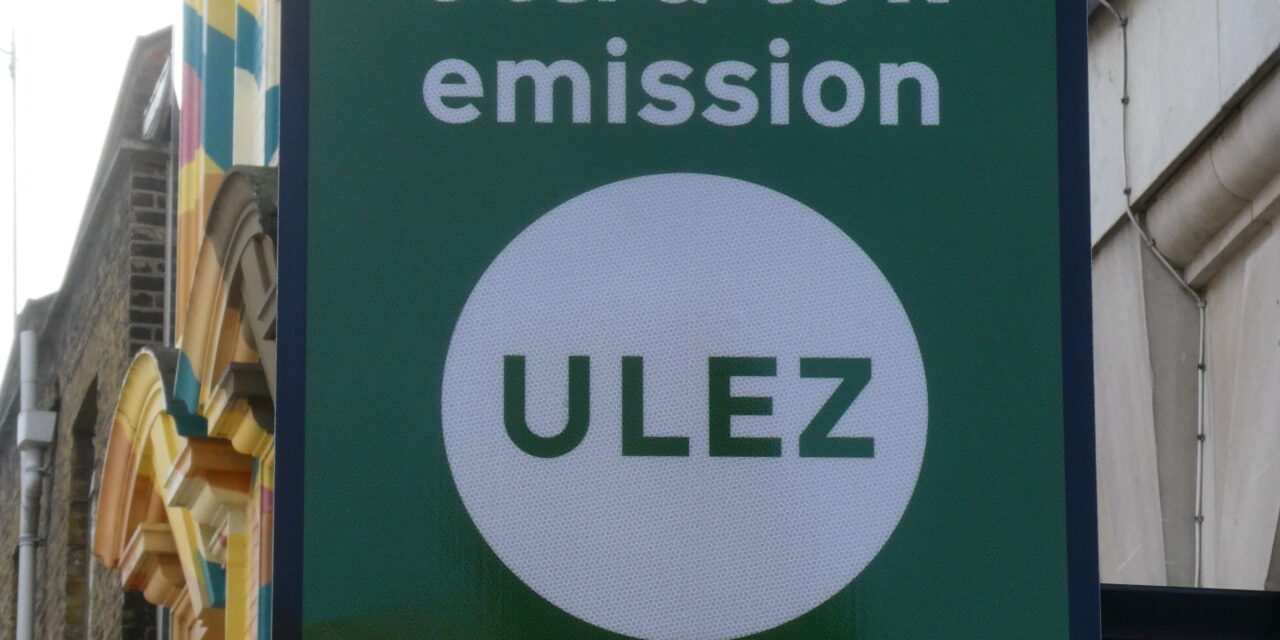
TfL says ULEZ covers all London boroughs and the City of London. It runs 24 hours a day, every day except Christmas Day, and the M25 is not part of the zone. A non-compliant car that is driven in the zone attracts a £12.50 daily charge.
A charging day runs from midnight to midnight. So a journey that crosses midnight can create two daily charges. A car parked inside the zone does not trigger the charge simply by being there, but it does if it is driven within the zone on that day.
Do not confuse ULEZ with the Congestion Charge. They are separate schemes with different areas, operating times and rules. A compliant hire car can still face the Congestion Charge if you drive in its central-London zone at a chargeable time. Use TfL’s postcode checker and map to check the planned route rather than assuming that one charge covers the other.
Who actually pays when it is a hire car?
This is where rental terms matter more than assumptions. The car-hire company is the registered keeper, but its agreement may say that it will:
- pay eligible road-user charges and recharge them to your card
- give you a way to pay the charge yourself
- pass your details to TfL if a penalty notice is issued, where the legal process allows it
- add an administration fee when it processes a charge or notice
Read the section headed road-user charging, fines, penalties, traffic offences or administration fees. The wording differs between firms, and it can differ by location or booking type. A rental agent saying that the car is fine is helpful, but the written agreement is the thing to keep.
If you will pay yourself, record the exact registration, dates of use and the name on the hire agreement. Pay only through TfL’s official service. TfL says a ULEZ charge can be paid up to 90 days in advance or by midnight on the third day after the journey.
Five questions to ask before collection
- What registration will I be driving? Use it in TfL’s checker as soon as it is available.
- Is the vehicle ULEZ compliant? Ask for a clear answer, then verify it independently where possible.
- Does the company pay ULEZ automatically? If yes, ask whether it recharges the daily fee and whether there is an additional handling fee.
- If I must pay, what dates should I use? Confirm collection and return times, especially for an overnight rental.
- What happens if a charge or penalty arrives later? Know the process and the administration fee before you agree to the rental.
Do not let a vehicle swap undo the check
A last-minute upgrade or substitution is common in car hire. It can also make an earlier check irrelevant. If the vehicle at the desk is different from the one you expected, check the registration on the actual car before you leave, particularly if the booking confirmation referred only to a model class.
This is also sensible if you extend a hire, change branches or collect a replacement after a breakdown. Your dates, vehicle and the company handling the charge may all have changed.
What if a ULEZ penalty arrives after the hire?
Do not ignore it, and do not assume it is automatically wrong because you were not the registered keeper. First compare the date, registration and location with your hire agreement. Then contact the rental company promptly and ask what action it took and whether it transferred liability or paid the notice under the agreement.
Keep the rental contract, final invoice, emails and any proof of ULEZ payment. If you had paid the correct charge through TfL, those records will matter. If the notice relates to a vehicle you did not hire or a date outside your rental, raise that clearly with the company and follow the instructions on the notice.
The simple rule
Most people hiring a recent car in London will never need to pay ULEZ. But most is not the same as guaranteed, and a few minutes of checking can remove the uncertainty. Verify the actual registration, read the road-charging clause in the rental agreement and establish who pays before the keys change hands.
That is the low-effort way to keep a London car hire convenient rather than expensive.
Rules and charges can change. Check the current position using TfL’s official ULEZ guidance and vehicle checker before travel.