If you are buying a car and planning to drive it home the same day, the insurance needs sorting before the handover, not after it.
GOV.UK says you must have insurance before you can use a vehicle on the road, and you need to tax it before you drive away. That sounds simple enough, but collection day still catches people out because the seller’s policy does not cover the buyer, driving other cars cover is often far narrower than drivers assume, and the tax step usually has to wait until your own cover is live.
The good news is that you do have workable options. The right one depends on whether you have already arranged an annual policy, whether you are collecting from a dealer or a private seller, and whether you just need a short trip home or longer-term cover from the start.
The quick answer
If you are driving a newly bought car home in the UK, there are usually three realistic insurance routes:
- switch your existing annual policy onto the new car before collection
- start a new annual policy timed to begin before you collect the car
- buy short-term or drive-away insurance for the journey home and sort the long-term policy afterwards
For many buyers, temporary cover is the cleanest answer when the purchase is happening quickly, especially after a private sale, an auction win or a last-minute dealer collection. It can bridge the gap neatly, but only if you check the policy start time, the level of cover and whether it gives you enough time to tax the car before setting off.
Why this matters more than people think
A lot of drivers still assume one of these will save them:
- the seller’s insurance
- fully comp cover on their own car
- a dealer’s free five-day offer
- a promise that they can sort the paperwork once they get home
That is where the trouble starts.
The seller’s policy insures the seller and any named drivers on that policy. It does not automatically insure the buyer. If you get behind the wheel without your own valid cover, you are the one taking the risk.
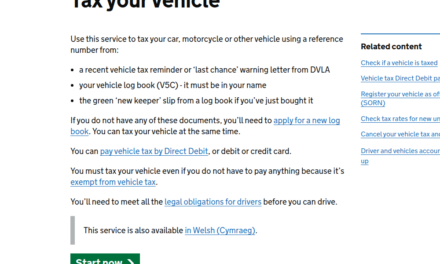
There is also a tax trap. GOV.UK’s buying guide says you need to tax the vehicle before using it on the road, and the tax process normally expects insurance to be in place first. If you have not lined up your own cover, the whole handover can stall.
The three insurance routes that usually work
1. Move your current policy onto the new car
If you already own a car and have an annual policy running, your insurer may let you transfer that policy onto the car you are buying.
This can be the cheapest route if you are replacing one car with another rather than adding an extra vehicle. It also avoids paying separately for temporary cover.
But there are a few catches:
- the insurer may reprice the policy, even if the new car looks cheaper on paper
- some insurers charge an admin fee for the change
- the switch only works once the insurer confirms the new start time
- your old car may stop being covered at the same moment the new one goes live
If you are using this route, get the change agreed before you leave home. Do not assume that hitting "confirm" while standing on the seller’s driveway is close enough.
If you need the nuts-and-bolts version, our guide on transferring insurance to a new car before collection covers the handover process in more detail.
2. Start a new annual policy before collection
This is often the best option if you are buying an extra car, moving from a company car, or starting fresh after a gap without your own vehicle.
The main advantage is simplicity. Once the new annual policy is live, you can tax the car, complete the handover and get on with your day.
The downside is commitment. If the deal falls apart after the test drive, or the car turns out to be wrong for you, you may need to cancel or amend a policy you only just started. That can mean fees, a short-rate charge or extra admin.
For planned dealer collections, this route often makes more sense than paying for separate short-term cover.
3. Buy temporary drive-away insurance
This is the option most closely matched to the phrase "I just need to get the car home legally".
Short-term cover is useful when:
- you are buying privately and want insurance only after you have decided to proceed
- you are collecting a car from auction
- you want time to compare annual policies properly after the purchase
- a family member is helping collect the car and needs their own cover
- you are not ready to commit to a full annual policy that day
Many UK short-term policies are sold by the hour or by the day. That makes them well suited to collection day, but they are not a blank cheque.
Before you buy, check:
- the exact policy start time
- the exact end time
- who is insured to drive
- whether the level of cover is third party or comprehensive
- whether commuting, motorway driving or overnight parking assumptions matter for your use
- whether the policy is valid only in the UK or broader
If the plan is to buy the car, tax it and drive it straight home, temporary cover can be the neatest route of the lot.
The mistakes that still catch buyers out
Assuming driving other cars cover will do the job
This is the classic mistake.
Driving other cars cover, often shortened to DOC, is not a general permission slip to drive anything you fancy. It is usually restricted, often only applies to some comprehensive policies, and very commonly gives third-party-only cover rather than full protection for the car you are driving.
Insurer guidance also underlines the same theme: DOC is limited, and it is not designed to replace proper cover on the vehicle you are collecting.
If you are relying on DOC, read your certificate and schedule, not a forum post and not your memory.
Our separate guide on driving someone else’s car in the UK explains why this catches so many drivers out.
Assuming the dealer’s free cover is enough
Some dealers do offer short free drive-away insurance, and the period is often only a few days.
That can be useful, but there are reasons not to treat it as automatic:
- not every dealer offers it
- not every buyer qualifies
- the period may be shorter than you expect
- the excess can be high
- you may still want to compare annual cover before the free period ends
Ask for the exact insurer, the start and finish time, the excess and any driver restrictions. If nobody can give you those details clearly, assume you need your own cover.
Thinking the seller’s insurance still counts until you get home
It does not work that way.
Even if the car itself is insured under the seller’s policy, that does not automatically insure you as the new driver. You need cover that applies to you.
Forgetting the tax step
Insurance is not the only hurdle.
GOV.UK says you need to tax the vehicle before using it on the road, and your insurance usually needs to be live before you can complete that step smoothly. If you have just bought the car, our guide to taxing a car you have just bought walks through the order.
Driving off before the documents land
If you have arranged cover online or over the phone, wait until you have confirmation and can see the start time. The fact that payment has gone through does not, by itself, mean the policy has already started.
That sounds obvious, but it is exactly the sort of thing that gets muddled in a rushed handover.
A practical collection-day checklist
If you want the boring but reliable version, use this order:
- Decide which insurance route you are using before you travel.
- Get the registration number, make and model right when setting up cover.
- Check the policy start time and keep the confirmation email handy.
- Confirm MOT status if the car needs one.
- Tax the car once your cover is live.
- Take the green new keeper slip or complete the dealer handover properly.
- Do not drive away until the paperwork is confirmed.
That sequence avoids most collection-day mess.
What if the insurance database has not caught up yet?
The Motor Insurance Database exists so drivers, the police and services such as askMID can check whether a vehicle appears insured. The askMID site also reminds drivers that if a vehicle is registered in their name and not declared off road with a SORN, it must be insured at all times.
What matters on collection day, though, is the policy itself and its start time. Database visibility can lag behind policy purchase, especially when you have only just arranged cover. If your insurer has confirmed the policy is live, that matters more than repeatedly refreshing a public check during the handover.
That said, it is still worth checking your own vehicle on askMID later on so you know the record has appeared correctly.
When temporary cover is worth paying for
Temporary cover is usually worth it when:
- the car is a one-off private purchase and timing is uncertain
- you want to inspect it, decide, then buy cover only if you proceed
- you are collecting a second car that will not replace your main vehicle immediately
- you want a calm evening to compare annual quotes instead of buying the first policy that appears on your phone
In those situations, paying for a short bridge policy can be cheaper than making a rushed long-term insurance decision you regret later.
When a full annual policy is the better move
Go straight to an annual policy if:
- the purchase is definitely happening
- you already know the exact car and collection time
- you are replacing your current vehicle
- you have already compared quotes properly
- the temporary cover price is close to the cost of just starting the annual policy now
There is no magic in drive-away insurance. It is a tool, not an automatic win.
The bottom line
If you are buying a car and driving it home the same day, sort the insurance first, then tax it, then leave.
For fast-moving purchases, temporary drive-away insurance is often the cleanest solution because it gives you legal cover for the handover without forcing you into a rushed annual policy. But do not assume every short-term policy starts instantly, do not rely blindly on driving other cars cover, and do not treat dealer freebie cover as guaranteed until you have the paperwork in front of you.
A calm ten-minute insurance check before collection is much cheaper than discovering on the roadside that the car was covered, but you were not.