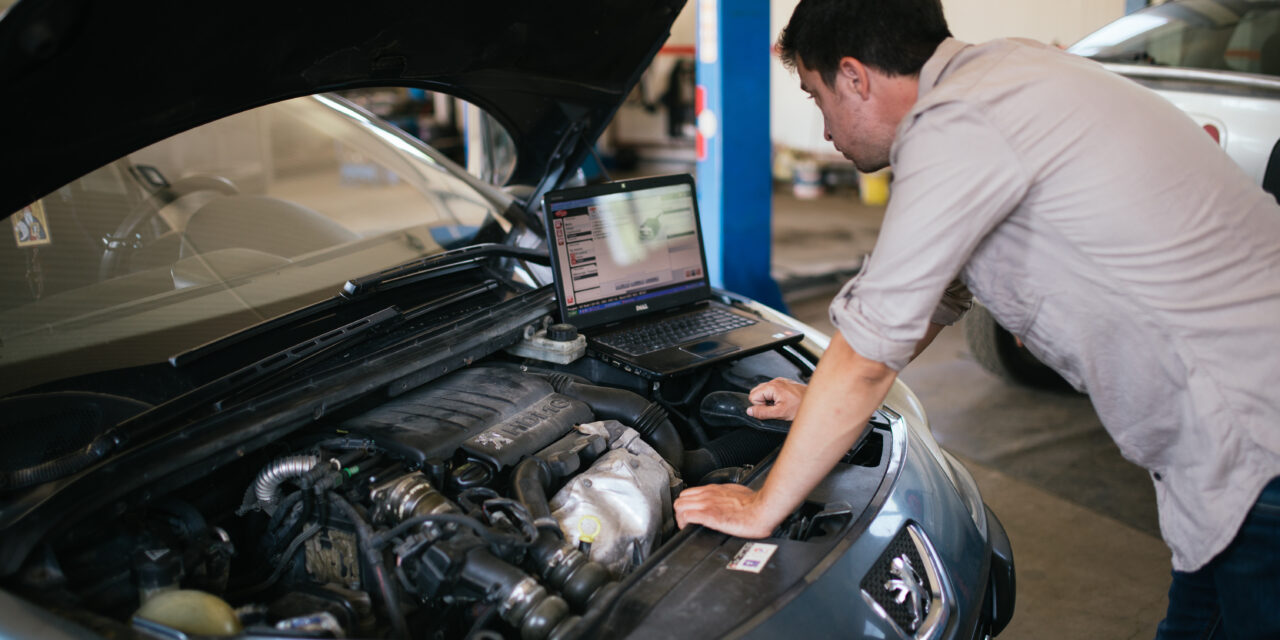
A call saying your car needs more work is one thing. Finding extra items on the invoice that you never approved is another. If a garage has carried out unauthorised work, do not turn the conversation into a row at the counter. The strongest response is a quick, written challenge backed by the estimate, the job card and a clear timeline.
Whether you must pay will depend on what was agreed, what the garage can prove and whether the work was genuinely necessary. A diagnostic charge or a repair that you expressly approved is different from optional work added without your go-ahead. This guide is for consumers dealing with a garage in England, Scotland or Wales.
First, separate the agreed work from the surprise work
Start with the paperwork you had before dropping off the car: booking confirmation, online quote, estimate, text messages and emails. Mark three things:
- the work you authorised;
- any diagnostic fee, inspection charge or authority to investigate that you accepted; and
- each new item on the final invoice that was not part of it.
Do not assume a quote and an estimate mean the same thing. A quote is normally a fixed price for the stated work, while an estimate is an informed prediction that may change. But neither label gives a garage a free hand to add unrelated repairs. Check the exact words you accepted, including any condition allowing the garage to proceed up to a stated limit without calling you.
If the garage says it rang you, ask for the date, time, number called, who made the decision and its contemporaneous note or call record. If it says the authorisation was given when you booked in, ask for the signed job card or the online terms that applied at that point.
Do not approve anything else by accident
Send a short email while the facts are fresh. Keep the language factual:
I authorised [state the work]. I did not authorise [state the additional work or charge]. Please send the original estimate, job card, authorisation record, itemised invoice and any parts or diagnostic findings supporting this charge. I dispute the additional amount and do not authorise further work without my written approval.
That last sentence matters. It closes off the common problem of a disputed repair turning into a second repair without a clear instruction. Save a screenshot if you send it by a garage portal or messaging app.
What the law expects from a garage
For services supplied to consumers in England, Scotland and Wales, the Consumer Rights Act 2015 requires reasonable care and skill. If a price was not agreed, section 51 says the consumer must pay a reasonable price. Those rules do not automatically answer every argument about an unapproved repair, but they are important where a garage says a vague booking gave it authority to do whatever it thought necessary.
In practical terms, the dispute usually comes down to the contract: did you agree to this repair, to this price, or to a clearly defined spending limit? The garage may have a better argument where it warned you of a safety-critical defect, obtained approval, or the booking terms plainly allowed a limited amount of further work. It has a weaker position if it cannot show when or how you gave consent.
If the service itself was not carried out with reasonable care and skill, the Act provides remedies including repeat performance and, in some circumstances, a price reduction. The statutory detail is set out in section 55 and section 56. Do not use a poor repair as a reason to let another garage dismantle everything immediately: first photograph the issue and obtain an independent written opinion where possible.
Ask for evidence, not just a discount
A verbal assurance that the work was needed is not the same as proof of authorisation. Request:
- a fully itemised invoice showing labour hours, parts, VAT and diagnostic time;
- the original estimate and any revised estimate;
- the job card and the garage’s notes of any call or text seeking approval;
- photos, fault codes or inspection findings it relied on; and
- the old parts, if they are still available and it is safe to release them.
Keep a copy of your service history and any dashboard warning-light photos taken before the car went in. They may show what you asked the garage to investigate, and what you did not.
Should you pay before taking the car away?
This is the awkward bit. Do not simply take the car and refuse to engage with the invoice. Equally, paying a disputed amount without recording the dispute can make the next step harder. Ask the garage whether it will release the vehicle while the contested amount is investigated, and get any agreement in writing.
If you decide to pay so that you can recover the car, state in writing that you are paying the disputed sum under protest and are seeking a resolution. Keep the card receipt and invoice. If the car is unsafe, do not drive it away just to avoid the argument. Arrange recovery or ask for a written explanation of what makes it unsafe.
Escalate in the right order
- Complain to the business in writing. Set out the disputed items, the evidence you asked for and the remedy you want, such as removal of an unauthorised charge or a refund.
- Set a realistic response date. Fourteen days is a sensible period for a straightforward invoice dispute.
- Check whether the garage is accredited. If it is accredited by The Motor Ombudsman, follow the business’s complaint process first. The Ombudsman explains its consumer complaint route and eligibility.
- Get independent advice before court action. Citizens Advice or a solicitor can help assess the evidence and the value of a claim. The Government’s overview of consumer protection rights is also a useful starting point.
How to avoid the same problem next time
When booking, put the instruction in writing: diagnose the fault, call me with the cause and price, and do not carry out extra work without written approval. If you are happy to allow a small contingency, name the maximum amount including VAT. Ask the garage to confirm whether its price is a quote or an estimate and whether diagnostic time is chargeable if you decline the repair.
Good garages welcome that clarity. It protects them from wasted work and protects you from a repair bill that has grown without your say-so.
The bottom line
An unauthorised garage repair is not something to settle with a shrug or a shouted refusal to pay. Identify what you authorised, ask the garage to prove any extra approval, dispute the specific lines in writing and preserve every document. A clear record is far more persuasive than an argument about what was said at the service desk.
This is general information, not legal advice. Consumer law and complaint routes can differ in Northern Ireland, where readers should seek local consumer advice.