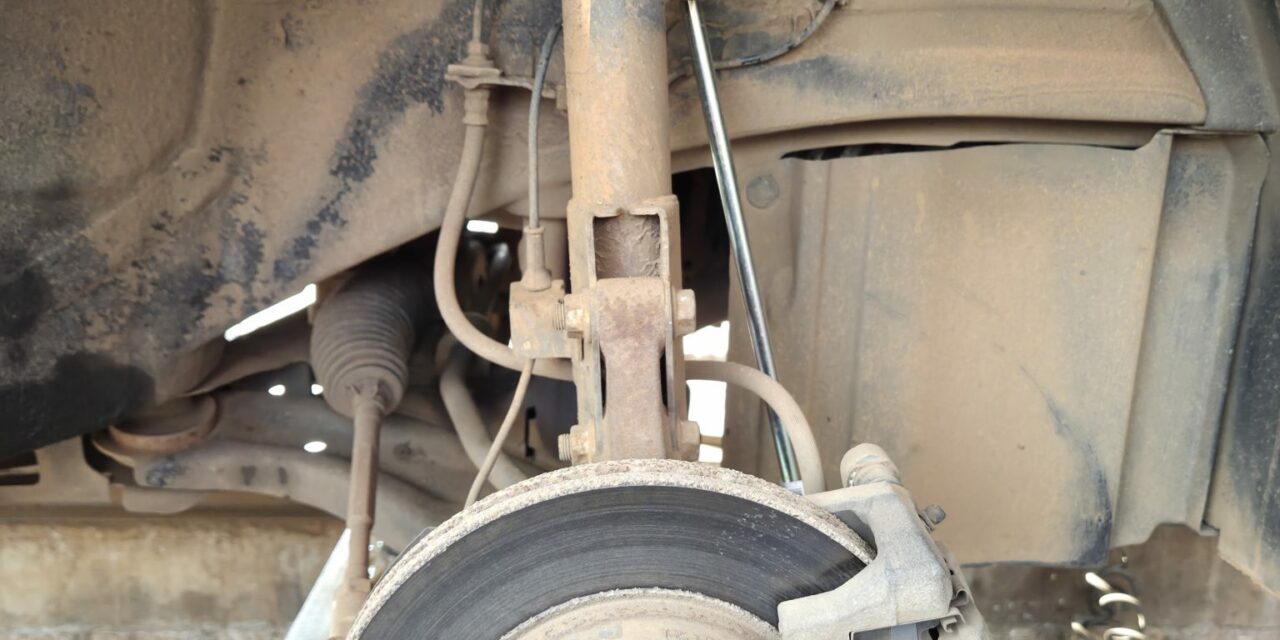
Shock absorber replacement in the UK: what front pairs, rear pairs and full sets really cost
If a garage has just told you the shocks are leaking, or your car has started crashing over bumps and feeling loose at speed, the first question is usually the same: how much is this going to cost?
The short answer is that most UK drivers are not looking at a tiny bill, but they are not automatically heading for a four-figure disaster either.
RAC’s July 2026 summary of WhoCanFixMyCar data puts the average cost to replace a pair of shock absorbers at £397.92, with the front pair averaging £416.91 and the rear pair averaging £327.47. Bumper’s current guide lands in a similar place, quoting an overall UK average of £379, with a front pair at £416 and a rear pair at £321. Garage.co.uk says a full set of four can range much more widely, from about £600 to £2,200, depending on the car and parts used.
That spread tells you the important bit straight away. Shock absorber quotes vary much more by which end of the car needs doing, whether you are replacing a pair or all four, and how awkward the job is than by one simple national average.
Quick answer
For most common UK cars, a realistic guide looks like this:
- rear pair: often around £250 to £380
- front pair: often around £320 to £500
- all four shocks: often around £600 to £1,000 on mainstream cars, but more on premium, performance or more complex setups
If your quote sits outside those bands, the next thing to check is whether it includes premium parts, extra suspension hardware, wheel alignment, or a more involved strut-style front suspension job.
Why front shocks usually cost more than rear shocks
Front shock absorber jobs are often dearer because the front suspension usually does more of the heavy lifting for steering, braking stability and weight transfer.
On many cars, the front shock is part of a larger strut assembly, which can mean:
- more labour to strip and refit components
- more alignment sensitivity afterwards
- extra parts such as top mounts, bearings or bump stops
- more time dealing with rusty fixings on older UK cars
That is why broad market data keeps showing the same pattern. Front pairs are usually pricier than rear pairs.
What a fair shock absorber quote should include
A good garage quote should tell you more than just one final number.
Before you say yes, check whether the price includes:
- both shocks on the same axle, not just one side
- labour
- VAT
- any top mounts, dust covers or bump stops if needed
- wheel alignment, especially after front strut work
- a road test or post-repair suspension check
If a quote looks suspiciously cheap, it may only cover one shock, low-grade parts, or labour without the extras that turn up once the job starts.
Should shock absorbers be replaced in pairs?
Usually, yes.
Bumper notes that front and rear shock absorbers are commonly replaced together in pairs so the car keeps a balanced response on both sides. In practice, that means if one front shock has failed, garages will usually recommend replacing both front shocks, and the same logic applies at the rear.
Replacing only one side can leave you with uneven damping across the axle, which is not ideal for ride quality, braking stability or tyre wear.
What pushes the bill up?
1. Mainstream hatchback or premium SUV
A Ford, Peugeot or Citroen usually will not cost the same as a BMW, Mercedes-Benz or larger SUV.
RAC’s July 2026 make examples show the spread clearly:
- Ford: about £358
- Peugeot: about £372
- Nissan: about £401
- Volkswagen: about £453
- Audi: about £428
- BMW: about £631
- Mercedes-Benz: about £626
That is why the same sounding repair can feel fairly manageable on one car and properly painful on another.
2. Shock only, or extra parts too
If the springs, top mounts or other hardware are tired, some garages will sensibly suggest replacing them while everything is apart. That can be the right call, but it changes the number quickly.
3. Corrosion and seized fixings
Suspension work on older UK cars often takes longer than the book time suggests. Rusted bolts and worn fittings can turn a tidy job into a more involved one.
4. Performance or self-levelling setups
Sports models, adaptive dampers and some larger estates or SUVs can push shock absorber prices well beyond what a regular family hatchback owner expects.
The MOT point that catches people out
A lot of drivers only start looking into shock absorbers after an MOT advisory or failure.
The current GOV.UK MOT inspection manual says slight seepage causing a film of fluid on a shock absorber is not a reason for rejection. But it also says a shock absorber should be rejected if it is damaged to the extent that it does not function or shows signs of severe leakage, and if it has negligible damping effect.
That matters because many drivers see a bit of misting and assume an MOT fail is guaranteed. It is not. But once the leak is heavy, or the damping is clearly poor, the tester is into major-defect territory.
If you want the broader context around likely post-test repair bills, our guide to MOT repair costs UK is worth a read too.
Signs your shock absorbers may be wearing out
Common warning signs include:
- the car bouncing more than usual after bumps
- a floaty or unsettled feeling on faster roads
- knocking or clunking from a corner of the car
- uneven tyre wear
- a visible fluid leak on the damper body
- longer stopping distances because the tyres are not staying planted as well as they should
None of those symptoms proves the shocks are the only problem, but they are a strong reason to get the suspension checked properly.
Can you keep driving with leaking shocks?
Sometimes you can, but that does not make it a smart plan.
A mildly tired shock absorber may not stop the car immediately, but it can make the car less stable under braking, more unsettled in corners and harsher over broken roads. If the leak is severe, or the damping is clearly weak, you are into a safety issue rather than just a comfort problem.
Is wheel alignment needed after replacing shock absorbers?
Often, especially at the front.
Not every rear shock job needs alignment, but front strut removal can affect settings enough that a check is sensible. If the quote does not mention alignment, ask the question before booking. These guides may help if it comes up:
When is it worth doing all four shocks at once?
If the car has covered big miles and all four dampers are original, replacing the whole set can make sense. Garage.co.uk says complete-set pricing can range from around £600 to £2,200, which is a wide band, but on some older cars it can restore ride quality in a way a single-axle repair never will.
Still, most drivers do not need to replace all four automatically. The right decision depends on mileage, overall condition and what the garage has actually found.
What to ask the garage before approving the repair
Keep it simple:
- is the quote for a pair on one axle or all four shocks?
- are top mounts, bearings or bump stops included if needed?
- does the price include VAT and labour?
- will the job need wheel alignment afterwards?
- what brand and quality level are the replacement parts?
- is there anything else worn in the suspension while it is apart?
Those six questions usually tell you whether the quote is sensible or whether the cheap headline number is about to grow.
Verdict
For most UK drivers, shock absorber replacement is best thought of as a mid-hundreds repair per axle, not a trivial service item but not automatically a financial horror story either.
Current UK source data clusters around £379 to £398 for a pair, with front pairs typically dearer than rear pairs. Mainstream cars will often sit in a manageable range, while premium brands, more complex suspension setups and extra hardware can push the bill up fast.
The key is to compare like with like. Ask whether you are being quoted for a front pair, rear pair or full set, check what parts are included, and do not assume every visible shock absorber leak means instant MOT failure.
FAQ
How much does it cost to replace front shock absorbers in the UK?
Current UK pricing guides put a front pair at roughly £416 on average, though mainstream cars can be lower and premium cars can be much higher.
How much does it cost to replace rear shock absorbers in the UK?
Current guides put a rear pair at roughly £321 to £327 on average, with simpler cars often landing below that and more complex vehicles above it.
Do shock absorbers fail an MOT for a small leak?
Not automatically. The GOV.UK MOT manual says slight seepage causing a film of fluid is not a reason for rejection. Severe leakage or negligible damping is different.
Is it worth replacing all four shock absorbers?
Sometimes, especially on higher-mileage cars where all four are tired. But many drivers only need the worn pair on one axle, not a complete set.