Street, drive or garage? Answer the overnight-parking question on car insurance properly
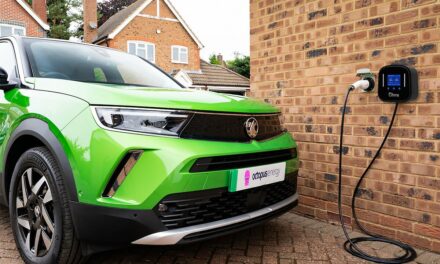
When a car-insurance quote asks where your car is kept overnight, it is not asking where you wish it lived. It is asking for its usual overnight location. That could be on the road outside your home, on a private drive, in a garage, or in a private car park.
It looks like a small box in a quotation journey, but it is part of the information an insurer uses to assess risk and price a policy. The useful answer is not to chase the option that sounds cheapest. It is to describe the real routine accurately, then compare like-for-like quotes.
The Association of British Insurers’ car-security guidance recommends using a secure, well-lit location and, where available, a garage or driveway. That is sensible theft-prevention advice. It does not mean a garage will automatically produce the lowest premium for every driver, car or postcode.
What does “kept overnight” mean?
In plain English, it means where the car normally spends the night. Insurers word and list the choices differently, so read the options on the quote rather than assuming they all use the same definitions. Common answers include:
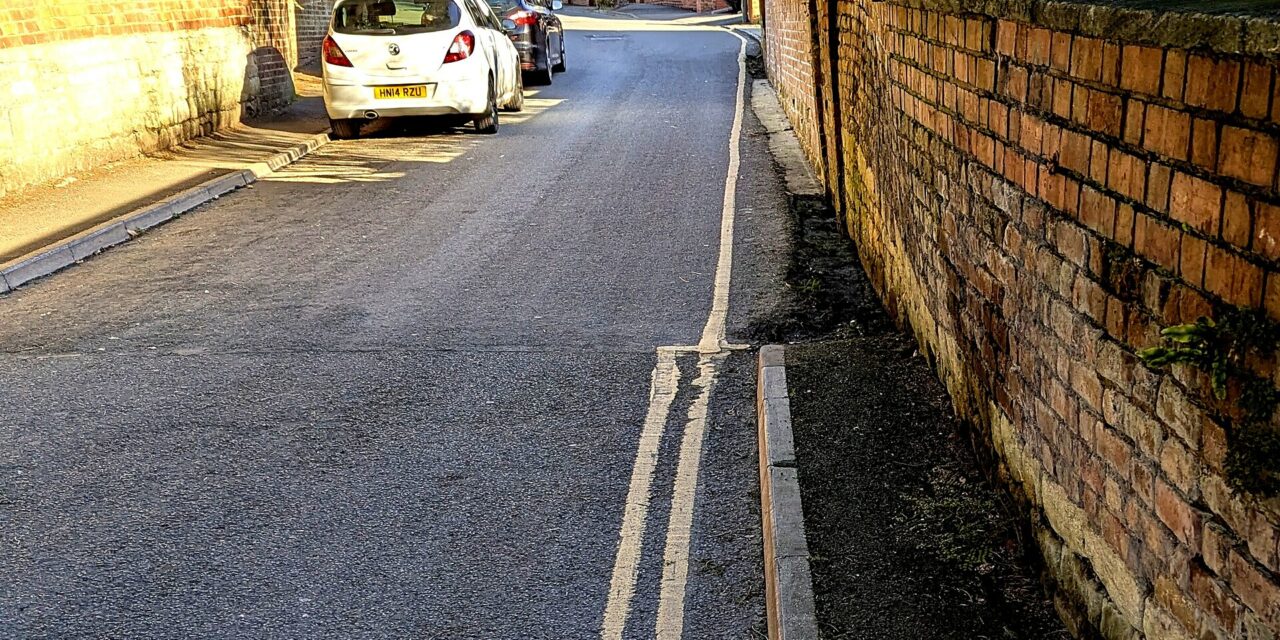
- On the road: parked on a public road near home, whether or not there are residents’ permits.
- Driveway or private property: on a drive, forecourt or other private space at the home.
- Garage: normally inside a garage, not merely on the driveway in front of one.
- Private car park: a designated private space, for example at a flat or managed development.
Choose the place the car uses most nights, not the best-case arrangement. If it is usually on the street because the garage is used for storage, “garage” is not an accurate answer. Equally, do not choose “road” simply because you occasionally park there when visitors are over if the car normally goes on the drive.
Will a driveway or garage always cut the premium?
No. Parking location is only one input among many. The driver, address, vehicle, annual mileage, claims history, local theft and damage risk, repair costs, security features, cover level and voluntary excess can all affect the result. Different insurers also rate those risks differently.
A driveway can reduce exposure to passing traffic and may make opportunistic theft less attractive. A garage can add another physical barrier. But a garage can also be impractical, and insurers’ claims data may not rank every garage, driveway and street in the same order in every area. Do not alter the truth on a quote just to test a lower number.
The practical way to find out is to get quotations using the location that is genuinely correct for your car. If you are considering a real, lasting change, such as clearing the garage and moving the car into it every night, ask the insurer to re-quote before changing the policy details.
Why accuracy matters more than a small saving
Insurance is based on the information given when the policy is bought and when it is renewed. If a material detail is wrong, it can cause problems when you need the policy most. That can mean an extra premium, an adjusted settlement, a cancelled policy or a dispute about a claim, depending on the facts and policy terms.
The Financial Ombudsman Service explains that it looks at whether an insurer has treated a customer fairly in motor-insurance disputes, including disputes about cancelled policies and claims. Keeping your quote answers truthful and updating a genuine change promptly gives you a much stronger position than trying to reverse-engineer a cheap premium.
This is especially important if you are tempted to select “garage” for a garage that is too full to take the car, or “driveway” for a space you cannot normally use. A photo, neighbour or CCTV footage is not required for every claim, but a mismatch between the declared routine and the real one is a needless risk.
Your routine has changed: what should you do?
Tell the insurer if the change is more than an occasional one. Examples include moving home, losing access to a private bay, converting a garage, beginning to park on the road every night, or moving from street parking to a newly built drive. Use the insurer’s app, online account or customer-service channel, and keep a record of the confirmation.
Ask two direct questions:
- Does the new overnight location change my premium, excess or cover?
- Is there an administration fee, and is the change recorded on my policy documents?
Do not wait until renewal if the declared parking arrangement has plainly stopped being true. The GOV.UK vehicle-insurance guidance is also a useful reminder that it is illegal to use a vehicle on roads or public places without at least third-party insurance, subject to limited exceptions. That is a separate issue from where a properly insured car is usually parked, but it matters if a change of routine leaves you assuming cover is in place when it is not.
Temporary exceptions are not the same as a new normal
Most drivers occasionally park somewhere else: at a partner’s home, outside a hotel, at an airport, or on the road during building work. One-off deviations are not the same thing as a false policy answer. But if an arrangement becomes regular, check the wording and notify the insurer rather than guessing.
For example, if you say the car is normally on your driveway but start leaving it at a station car park three nights a week, that may no longer match the basis on which the quote was priced. The same applies if a child comes home from university and the household’s parking arrangement changes for months rather than days.
Four checks before you buy or renew
1. Answer for the normal overnight location
Think about the last month, not an ideal future plan. Where was the car on most nights? That is usually the right starting point.
2. Read the option, not just its label
“Driveway”, “private property”, “garage” and “private car park” can have different descriptions in different quote systems. Select the closest truthful option and keep a screenshot or copy of the completed quote.
3. Compare the whole policy
A lower premium is not automatically better value. Compare the compulsory and voluntary excesses, courtesy-car terms, approved-repairer rules, windscreen cover, add-ons and cancellation fees. The overnight-parking field should not distract from the cover you would actually use after a theft or accident.
4. Update the insurer when the facts change
A move, a new driveway, loss of a parking bay or a garage clear-out can all change the truthful answer. Get the change confirmed and save the revised schedule.
The sensible bottom line
Use the place your car genuinely occupies on most nights. A secure drive or garage may be a good security decision, and it may affect some quotes, but there is no honest shortcut that guarantees cheaper insurance. Accurate information, comparable quotes and a policy that matches your routine are worth more than a tempting price that rests on the wrong parking answer.