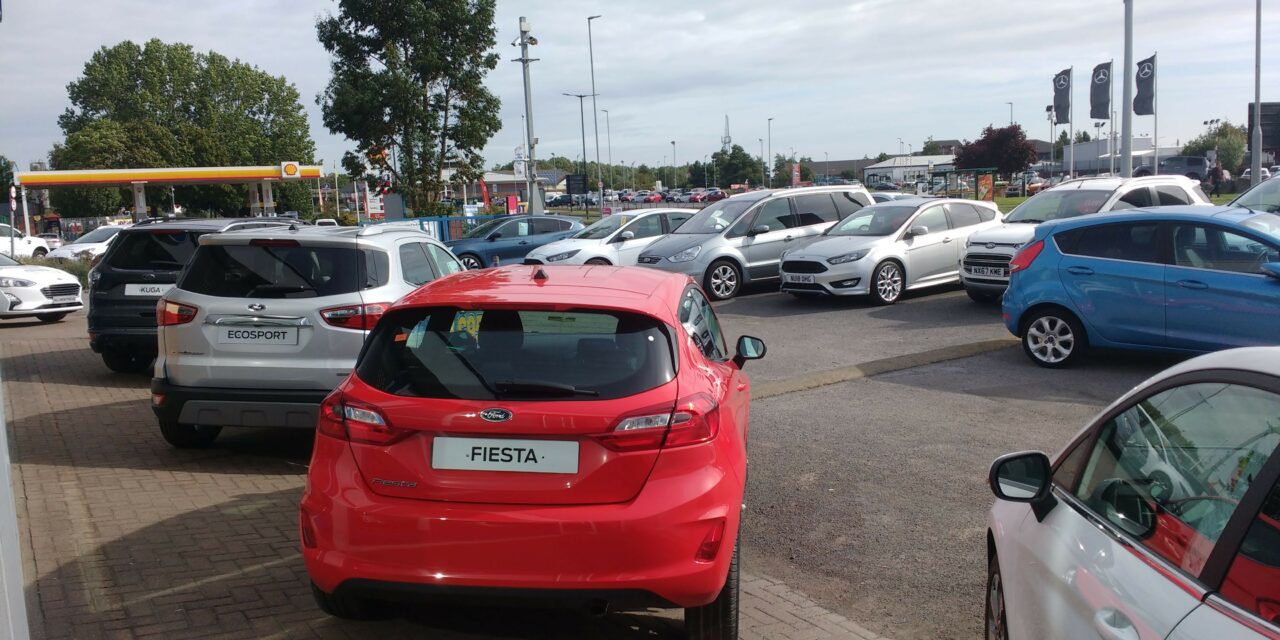
A used Ford Fiesta is easy to understand. It is compact, pleasant to drive, cheap to park and offered in huge numbers, so there should be plenty of choice. That abundance is also the trap: a low asking price, shiny paint and a lively test drive can distract from the paperwork and wear items that decide whether a small car stays cheap to own.
This guide is aimed at petrol Fiestas sold in the UK, especially the later generations most buyers see on dealer forecourts. It is not a substitute for an inspection, but it will help you reject the wrong cars early and spend your time on the right ones.
1. Which Fiesta are you actually looking at?
Do not treat every Fiesta as the same car. Start with the registration, exact engine, gearbox and trim, then check that each matches the advert and V5C. The choice is wider than it first appears: naturally aspirated petrol engines, turbocharged EcoBoost versions, manuals, automatics, three-door and five-door bodies, plus performance models.
For many buyers, a simpler petrol manual is the easiest ownership proposition. A turbocharged car can make the Fiesta feel much quicker, but it also makes service evidence more important. An automatic can be the right answer for town use, but its behaviour on the road matters more than a quick shuffle around a forecourt.
Ask the seller for the registration before travelling. Use it to check the published MOT history on the GOV.UK service, then compare its mileage and test results with the advert. Repeated advisories for tyres, brakes, suspension or corrosion are not automatic deal-breakers. They are a prompt to inspect the relevant area closely and budget honestly.
2. Can the service history prove the engine has had the care it needs?
This is the question that should shape your shortlist. A stamped book is helpful, but invoices are better because they show dates, mileage, work completed and who did it. Ask to see servicing evidence before a deposit changes hands.
Pay particular attention to a 1.0 EcoBoost Fiesta. The required maintenance schedule is not a detail to guess at from an online forum. It varies with the vehicle and can change with model year and operating conditions. Ask a Ford dealer or a reputable independent garage to confirm the schedule for that registration and engine, and check whether the invoices demonstrate that the required work has been done. If a seller cannot explain the history, price the car as one that needs precautionary work, or move on.
On every engine, look for sensible annual servicing, correct oil specification recorded on invoices where available, and a consistent mileage trail. A car that has missed several years of maintenance is not made safe by a fresh oil change the week before sale.
3. Does the cold start and test drive feel properly sorted?
See the car when the engine is cold if you can. A warm engine may be perfectly innocent, but it also hides the first-start behaviour you need to assess. Turn the key or press the starter yourself, then listen before the radio is switched on.
During the drive, use a route with town traffic, a rougher road and a faster section where legal. Check for:
- hesitation, warning lights or an uneven idle
- a clutch that bites very high, slips under acceleration or feels unusually heavy
- a manual gear change that resists selection or crunches
- an automatic that shunts, delays or flares its revs rather than changing cleanly
- knocks over potholes and speed humps, or a car that wanders instead of tracking straight
- a steering wheel that is off-centre after the road has levelled out
Do not dismiss a noise as "just a small-car thing". A Fiesta should feel tidy. A clonk, vague rear end or persistent pull is a reason to inspect tyres, suspension, wheel alignment and brakes before agreeing a price. Motoring Mojo has a separate guide to Fiesta rear axle bush MOT issues if an advisory mentions that area.
4. Are the tyres, brakes and body telling the same story as the advert?
Walk around the car in daylight, not under showroom spotlights or rain. Look down both sides for mismatched paint texture, inconsistent panel gaps and overspray on trim. These do not automatically make a car bad, but the seller should be able to account for previous repairs. Check the front bumper corners, door edges, alloy wheels and the lower bodywork, where city parking damage tends to show.
Then look at all four tyres, including the inner shoulders where practical. They should be the correct size and load rating, with even wear across the tread. A new pair at the front with tired, cracked or mismatched tyres at the rear deserves a closer look, not a congratulatory nod. Check the spare wheel or tyre-inflation kit too.
On the road, find a safe straight stretch and brake progressively. The car should stop straight without vibration through the pedal or steering wheel. After the drive, look through the wheels for obviously corroded brake discs and ask when pads and discs were last replaced.
5. Has it been checked for recalls, keys and the expensive little omissions?
Before viewing, enter the registration into the GOV.UK recall checker. It will show outstanding safety recalls. A recall repair should be free, but confirm with a Ford dealer that the work is complete rather than relying on a seller’s assurance.
At the car, make a short handover list. Test both keys, central locking, windows, heater fan, air conditioning, infotainment, lights, wipers and every dashboard control. Check that the locking wheel-nut key is present if the car has locking bolts. Look for the V5C, service evidence, MOT certificates or digital records, manuals and any security-code information.
Two working keys and a complete set of small accessories may sound minor, but replacing them after purchase is rarely as cheap or convenient as the advert suggests. The same applies to a missing parcel shelf, damaged charging ports, a non-working air-con system or an unexplained warning light. Write each issue down and decide whether it is a reason to negotiate, insist on repair or walk away.
The sensible way to buy a used Fiesta
The best used Fiesta is usually not the cheapest one within 50 miles. It is the example with a believable history, tyres and brakes that match the claimed care, a clean test drive and a seller who gives straight answers.
Once you have found one that passes those basics, get an insurance quote on its exact registration before paying a holding deposit. Then arrange an independent inspection if the car is expensive enough for the cost to matter. The Fiesta’s popularity gives buyers an advantage: there is rarely a need to ignore weak paperwork, a poor test drive or a seller who will not let you check the car properly.
A well-chosen Fiesta can be an excellent first car, commuter or second household car. Buy the documented condition, not the badge, mileage headline or alloy-wheel design.