Moving house creates a predictable pile of admin, but the address on your vehicle log book should not be an afterthought. If you are the registered keeper, you must tell DVLA when the address changes. Updating the V5C is usually free, and GOV.UK says failing to notify DVLA can lead to a fine of up to £1,000.
The easy mistake is assuming that changing your driving licence changes everything else. It does not. Your licence, V5C, vehicle-tax Direct Debit and any personalised-registration documents are separate records. Deal with each one rather than hoping the systems talk to one another.
The short version
For a straightforward move to a new UK address, use the DVLA service to change the address on a V5C. You need to be the registered keeper, have the vehicle registration number and the reference number from the log book.
Before starting, check whether the vehicle needs taxing in the next four weeks. GOV.UK says you should tax it online using the current V5C before changing the address if it is due in that window. That small bit of timing matters because the log book reference is part of the online tax process.
Why the V5C matters after a move
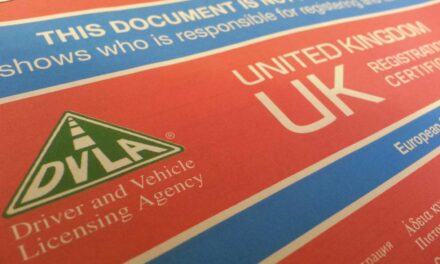
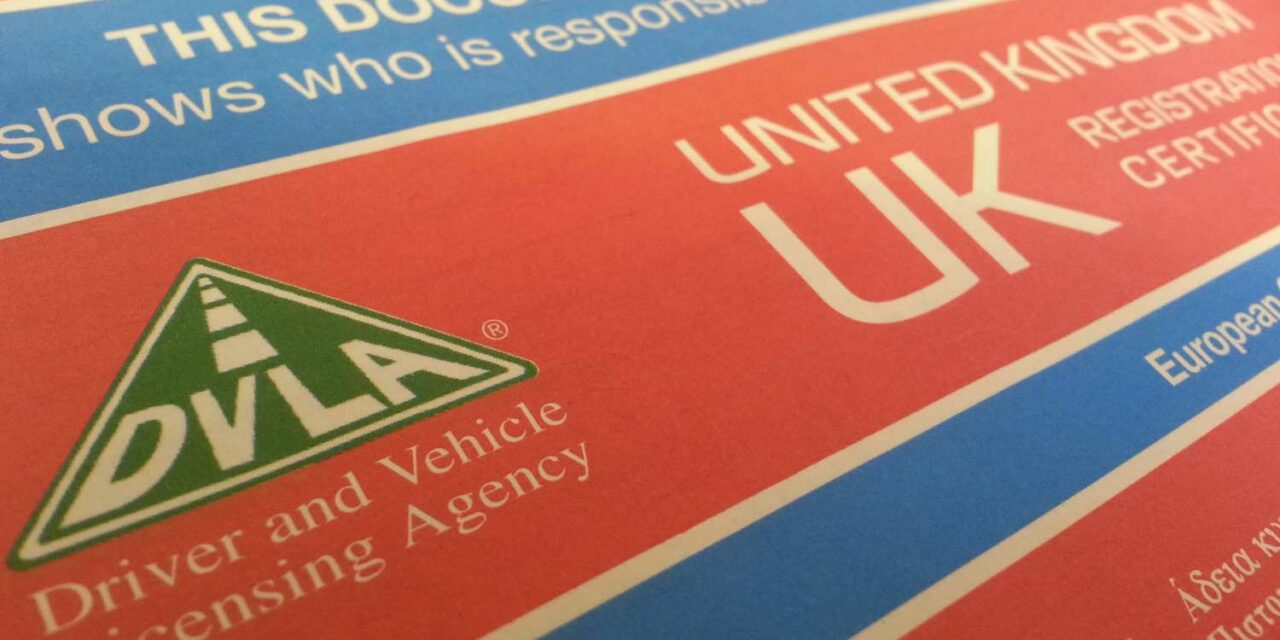
The V5C records the registered keeper and the address DVLA holds for the vehicle. It is not a service record, insurance certificate or proof that someone owns the car, but it is the document tied to the vehicle’s registration record. An old address can mean important correspondence goes to the wrong place.
That is reason enough to update it promptly, but there is a practical point too. A current V5C makes routine admin simpler. It helps when you sell the car, renew tax, apply for a replacement document or need the details to match other records.
What you need before you start
For the online route, have these to hand:
- the vehicle registration number
- the V5C reference number
- the new UK address
- a quick check of the vehicle-tax date
The online change-of-address service is for the registered keeper. It is not the right route if the vehicle has just been bought, sold or transferred, if the log book has been lost, or if you need to change your name as well as your address. GOV.UK has separate instructions for those situations.
Do not use a PO Box address on the log book. If you are moving abroad, take the V5C with you and register the vehicle in the country you are moving to, rather than trying to use the standard UK address-change service.
Change the address online if your situation is simple
The online DVLA service is the cleanest option for a normal UK house move. Enter the details carefully, particularly the V5C reference number and postcode, then keep a note of the confirmation. Do not throw the old V5C away until the replacement has arrived.
GOV.UK says to contact DVLA if the new log book has not arrived after four weeks. If you wait six weeks without notifying DVLA, a replacement application can cost £25, so set a reminder rather than letting it drift.
The opening hours and service details can change, so use the live GOV.UK page rather than an old forum post or a saved link from a previous move.
If you need to do it by post
You can also update the V5C by post. The section depends on the version of the document:
- On the newer multi-coloured V5C, write the new address in section 3 and send the whole log book to the DVLA address printed there.
- On the older style V5C, write the new address in section 6, sign it and send the whole document to the address in section 8.
For either version, do not tick the new-keeper box. That part is for a change of keeper, not a change of address. Use the right postage and consider keeping a copy or photograph of the completed page for your records.
The tax timing trap to avoid
A V5C address change does not cancel vehicle tax, but the order of tasks can still matter. If the tax is due within four weeks, GOV.UK advises taxing the vehicle online first with the current log book, then changing the address. Alternatively, an eligible Post Office can change the details and tax the vehicle at the same time.
If you pay vehicle tax by Direct Debit, update that address separately too. Moving the log-book address is not a safe reason to assume the Direct Debit record has changed. Check the instruction and bank details while you are doing the rest of the move admin.
Your moving-house car checklist
Do not stop at the V5C. A tidy order is:
- Update the driving licence. The licence address is a different record from the V5C.
- Update the V5C. Use the online service or the correct postal section.
- Check vehicle tax and Direct Debit. Tax the vehicle first if it is due within four weeks, then update the Direct Debit details if applicable.
- Update insurance. Tell the insurer before or as soon as the car’s normal overnight location changes. A new postcode, driveway, garage or on-street arrangement can affect the policy details. See our guide to answering the overnight-parking question on car insurance.
- Update any personalised-registration paperwork. V750 and V778 documents have their own address-change process.
- Check breakdown cover, finance and parking permits. They are not DVLA records, but an old address can delay a renewal notice or cause an awkward claim conversation.
Common mistakes that create unnecessary hassle
Treating the V5C as proof of ownership
The V5C identifies the registered keeper. It is not proof that the keeper owns the vehicle. This matters especially if you are selling, buying or dealing with car finance. Keep sale paperwork, finance settlement evidence and receipts separately.
Changing only the driving licence
This is the classic moving-house oversight. A licence update does not update the vehicle log book, and changing the V5C does not update the licence. Put both on the same checklist.
Using the address-change route after buying or selling
A change of keeper is a different transaction. If you have bought, sold or transferred the car, follow the official DVLA buying and selling process instead. Do not try to make a keeper change look like an address correction.
Applying for a replacement when the address is wrong
The replacement V5C service is for a lost, stolen or damaged log book when the recorded details can stay the same. It will be sent to the address DVLA already holds. If you have moved, use the address-change process rather than paying for a replacement that is headed to the wrong place.
Forgetting the overnight parking answer on insurance
A move can change where the car is normally kept, which may be part of your insurance quote. Be accurate. Do not select a garage if the car normally sits on the street, and do not wait until renewal if the address or routine has already changed.
What if the V5C is missing?
If the log book is lost or damaged and the address needs changing, do not use the normal online address-change service. GOV.UK provides separate routes depending on what has happened to the V5C and whether any details are changing. Start with the official replacement V5C guidance, then follow the route that matches your case.
If a vehicle is newly bought and the seller says the V5C is missing, pause before relying on verbal assurances. The seller should follow the proper transfer process, and a buyer should make sure the vehicle details, keeper change and paperwork stack up before money changes hands.
Bottom line
A house move does not automatically update your motoring records. Change the V5C address, update your driving licence separately, check tax timing and make sure your insurer knows where the car now lives. It is ordinary admin, but getting it right avoids a preventable £1,000 risk and keeps the record behind your car ready for the next time you need it.