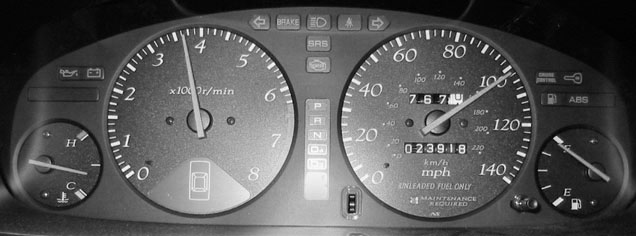
If an oil warning light comes on, do not treat it like a reminder you can deal with at the weekend. On many cars, the colour is the first clue to how urgent the problem is. A red oil pressure light is usually a stop-now warning. An amber oil warning often points to low oil level or a sensor issue, but it still needs checking quickly.
Volkswagen’s current UK warning-light guides make that distinction clearly: its red engine oil pressure warning says to stop as soon as it is safe and switch off the engine immediately, while its amber engine oil level warning tells drivers to top up as soon as possible and check for a faulty sensor if the light flashes. RAC guidance in 2026 takes the same broad view and advises drivers not to keep driving with the oil light on.
Red oil warning light: stop as soon as it is safe
A red oil can symbol normally points to low oil pressure, not just low oil quantity. That matters because engine oil is what keeps metal parts lubricated as the engine runs. If pressure drops too far, the engine can damage itself very quickly.
If the light comes on while you are driving:
- pull over somewhere safe as soon as you can
- switch the engine off
- do not restart it straight away just to see if it clears
- wait for the engine to cool before checking the oil level
- if the level is fine but the light stays on, call breakdown rather than driving on
Volkswagen’s UK guidance is unusually direct here: if the oil level is correct and the red light remains on, it tells drivers to seek roadside assistance rather than continue. That is sensible advice for almost any modern car.
Amber oil warning light: still important, but not always a stop-now fault
An amber oil light often means one of three things:
- the oil level is low
- the car wants an oil top-up soon
- the oil level sensor may be faulty
That does not automatically mean the engine has lost oil pressure, but it does mean you should check the level properly and sort the issue quickly. On some cars an amber oil symbol that stays on steadily is more about low level, while a flashing amber symbol can point to a sensor or monitoring fault. The exact wording differs by manufacturer, which is why your owner’s manual matters.
What to check before you decide on the next step
If it is safe to do so, use this order:
- Park on level ground and switch the engine off.
- Wait a few minutes, or longer if the engine is very hot, so the oil can settle. RAC advises allowing about 10 minutes before checking.
- Check the dipstick and confirm whether the level is actually low.
- Look for obvious leaks under the car or around the engine bay.
- Only top up with the correct oil specification for your car. If you are not sure, check the handbook rather than guessing.
- Restart only if the handbook guidance supports it and the warning behaviour makes sense. If a red light returns immediately, stop the engine again.
A common mistake is adding random oil without checking the required grade or assuming the problem is solved because the engine sounds normal. Neither is a safe bet.
Why the oil warning light comes on
The most common causes are:
- oil level genuinely too low
- low oil pressure
- a failing oil pressure switch or oil level sensor
- the wrong oil grade after a service
- an oil filter issue
- sludge or blockage affecting oil pickup
- a worn or failing oil pump
The cheap end of this list is manageable. The expensive end is the reason drivers should not ignore the warning. A sensor fault can be inconvenient. Genuine low oil pressure can destroy an engine.
Can you drive with the oil warning light on?
With a red oil warning light, the sensible answer is no. Even a short drive can turn a repairable problem into a replacement-engine problem.
With an amber oil warning light, some cars will still be driveable for a short distance, but only after you have checked the level and only if the handbook does not tell you otherwise. If the engine sounds rough, the light changes to red, or any other serious warning appears with it, stop and get help.
What if the oil level looks fine?
This is the bit that catches people out. A normal dipstick reading does not automatically clear the car. You can still have:
- a pressure problem rather than a quantity problem
- a faulty sensor or switch
- oil that is too thin, contaminated or wrong for the engine
- a circulation problem inside the engine
That is why a red warning with a correct dipstick reading is still a breakdown call, not a shrug-and-drive moment.
What is the likely fix?
The fix depends entirely on the cause:
- Low oil level: correct top-up and a check for why the level fell
- Minor service issue: oil and filter change using the correct spec
- Sensor or switch fault: diagnostic check and replacement part if confirmed
- Pressure or pump problem: mechanical investigation, often with a much bigger bill
If the light appeared soon after a service, mention that immediately when you book the car in. Wrong oil grade, overfilling, underfilling or a filter issue are all worth checking early.
When to stop troubleshooting and call for help
Call breakdown or a garage straight away if:
- the light is red
- the engine is noisy, knocking or rattling
- the light comes back on immediately after a top-up
- you can see oil leaking
- another serious warning light appears with it
- you are not confident about the oil type or level check
Bottom line
An oil warning light is one of the few dashboard warnings that can get expensive very quickly. Read the colour first, check the level properly, and do not gamble with a red light just because the car still seems to run normally. If there is any doubt, stop and get it checked before a small oil issue becomes a full engine bill.