If your car has started showing a battery warning light, dimming its headlights or flattening the battery again and again, the alternator quickly becomes the suspect nobody wants it to be. It is not usually a tiny bill, but it is one of those repairs where delaying can leave you stranded rather than merely annoyed.
The short answer is that alternator replacement in the UK usually costs somewhere from about £250 to £800 fitted, with many published averages landing in the £500 to £535 region. That does not mean every mainstream car will cost more than £500, but it does mean this is usually more than a quick budget fix.
Quick answer: typical alternator replacement cost in the UK
A sensible guide for most drivers looks like this:
| Job type | Typical fitted cost |
|---|---|
| Smaller or simpler mainstream car | about £250 to £400 |
| Many everyday UK cars | about £400 to £600 |
| Premium cars or awkward jobs | about £600 to £800+ |
That broad range lines up with current published UK guidance from major motoring and repair platforms. RAC, FixMyCar and Bumper all describe a typical national range of roughly £250 to £800, while FixMyCar currently puts the average at £535.05 and Bumper says the average is around £525. RAC also cites an average UK alternator replacement cost of £513 from its repair-data source.
That tells you two useful things straight away. First, an alternator is usually not a sub-£150 repair. Second, if you get quoted somewhere around the low to mid-£500s for an ordinary family car, that is not automatically a rip-off.
Why alternator replacement costs vary so much
Alternator pricing is wide because the job combines two moving parts: the cost of the component itself and the amount of labour needed to get to it.
The biggest factors are usually:
1. The car itself
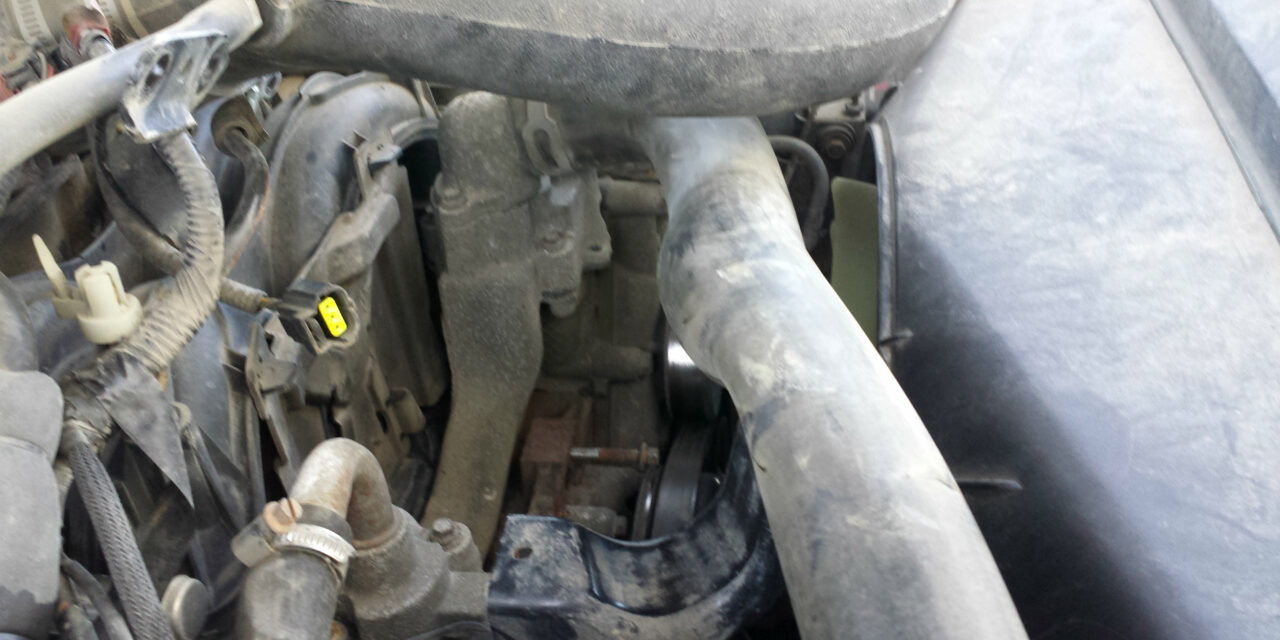
On some cars, the alternator sits in a fairly accessible spot and the job is straightforward. On others, space in the engine bay is tight, access is awkward and labour time climbs fast. Premium brands and larger diesel or SUV models can be especially expensive once labour and parts are combined.
2. New part, remanufactured part or budget aftermarket part
A cheaper quote may use a lower-cost aftermarket alternator or a remanufactured unit. That is not always a bad thing, but it is worth asking what you are being supplied. A quality branded part usually costs more than the cheapest listing online.
3. Labour rates where you live
FixMyCar says labour for alternator replacement usually lands between £150 and £300, and Bumper gives a similar labour guide of around £150 to £250. As usual, London and the South East can be pricier than many rural towns and smaller cities.
4. Extra parts discovered during the job
Sometimes the alternator is not the only item involved. A worn auxiliary belt, belt tensioner, damaged wiring or poor battery condition can push the final bill above the headline quote. If the garage is diagnosing a charging-system problem rather than just swapping a clearly failed unit, a little extra time on testing is normal.
What are the signs of a failing alternator?
This is where alternator problems get awkward, because the symptoms can start off looking like a simple battery issue.
According to RAC, common clues include a battery warning light, dim or flickering lights, electrical glitches, trouble starting, burning smells and even unexpected stalling if the charging system fails badly enough. Halfords also highlights difficulty starting, frequent stalling and failing electrical systems as warning signs.
The symptoms worth taking seriously are:
- the battery warning light appearing on the dash
- headlights or interior lights looking dimmer than usual
- repeated flat batteries even after charging or replacement
- electric windows, infotainment or other systems behaving oddly
- a car that starts, then soon struggles or stalls
- strange noises from the alternator area or a burning rubber smell if the belt system is involved
The important point is that a failing alternator often shows up before the car stops completely. Once it stops charging altogether, the battery is doing all the work and you are on borrowed time.
Is it definitely the alternator and not the battery?
Not always. That is why a proper diagnosis matters.
A weak battery, poor battery connections, a slipping auxiliary belt or a separate electrical fault can mimic alternator trouble. Equally, a new battery can still go flat if the alternator is no longer charging it properly.
If you have already had to jump-start the car more than once and the battery warning light is showing, the alternator moves much higher up the suspect list. But it is still worth getting the charging system tested rather than buying parts on a hunch.
How long does alternator replacement take?
Usually not all day, but not always quick either.
FixMyCar says a reputable garage can often replace an alternator in up to about two and a half hours, depending on access and parts availability. That fits the real-world pattern for many cars: straightforward jobs can be done relatively quickly, while awkward engine-bay packaging is what turns the bill ugly.
If a garage says the job will take longer, that does not automatically mean they are overcharging. It may simply be one of those cars where access is poor or extra diagnosis is needed.
How long should an alternator last?
There is no fixed expiry date, but most guides place alternator lifespan somewhere around 80,000 to 150,000 miles. Halfords gives that range, and Bumper uses the same rough lifespan guide.
That does not mean yours will neatly fail at 100,000 miles. Driving conditions, electrical load, heat, water exposure and the quality of the part all matter. A car doing lots of short trips, winter starts and heavy electrical use may put more stress on the charging system than one doing easy motorway miles.
Can an alternator be repaired instead of replaced?
Sometimes, yes. Often, replacement still makes more sense.
RAC notes that some alternator faults can be repaired, including issues involving bearings, wiring or internal components. In practice, though, many garages prefer replacement or a remanufactured unit because it is faster, simpler and easier to warranty.
That does not mean every garage is upselling. It often reflects the economics of modern repair work. If labour is significant, fitting a complete unit can be more sensible than paying for a strip-down only to find more internal wear once the alternator is apart.
Can you keep driving with a bad alternator?
Not for long, and it is a gamble.
A car with a failing alternator may keep going for a short distance because the battery still has some charge left. The problem is that the battery is no longer being properly replenished as you drive. Once that charge is used up, the car can lose electrical power and stall.
That is why RAC warns that once the alternator fails completely, the car will soon shut down altogether. If the warning light has come on and the electrical system is fading, this is not a problem to park for next month.
What is a fair quote for alternator replacement?
As a rule of thumb:
- under about £300 can be plausible for a smaller, simpler car
- around £400 to £600 is a realistic band for many mainstream vehicles
- £600 and above is not unusual for premium brands, awkward access or high-priced parts
If a quote seems high, ask these questions:
- Is the price for a new, remanufactured or budget aftermarket alternator?
- Does it include the belt, tensioner or any extra electrical testing?
- Is the alternator definitely the fault, or is the garage still diagnosing the charging system?
- What warranty is included on the part and labour?
Those answers matter more than chasing the absolute cheapest headline figure. The bargain quote is less convincing if it uses a poor-quality part and leaves you back at the garage in six months.
When it is worth acting quickly
Alternator problems are worth dealing with promptly if:
- you already have the battery warning light on
- the car is repeatedly failing to start
- lights are dimming or flickering while driving
- the car has stalled or nearly stalled after starting
This is one of those faults that can move from mildly inconvenient to recovery-truck territory pretty quickly.
Bottom line
For most UK drivers, alternator replacement cost is best treated as a £250 to £800 job, with the middle of the market clustering around the low to mid-£500s once parts and labour are combined. Smaller cars can come in below that, while premium or labour-heavy jobs can run notably higher.
The more important point is not just the cost. It is recognising the warning signs early. If the battery light is on, the lights are dimming and the battery keeps going flat, the alternator is too important to ignore. Paying for a proper diagnosis and a decent-quality replacement is usually much cheaper than waiting until the car dies somewhere inconvenient.