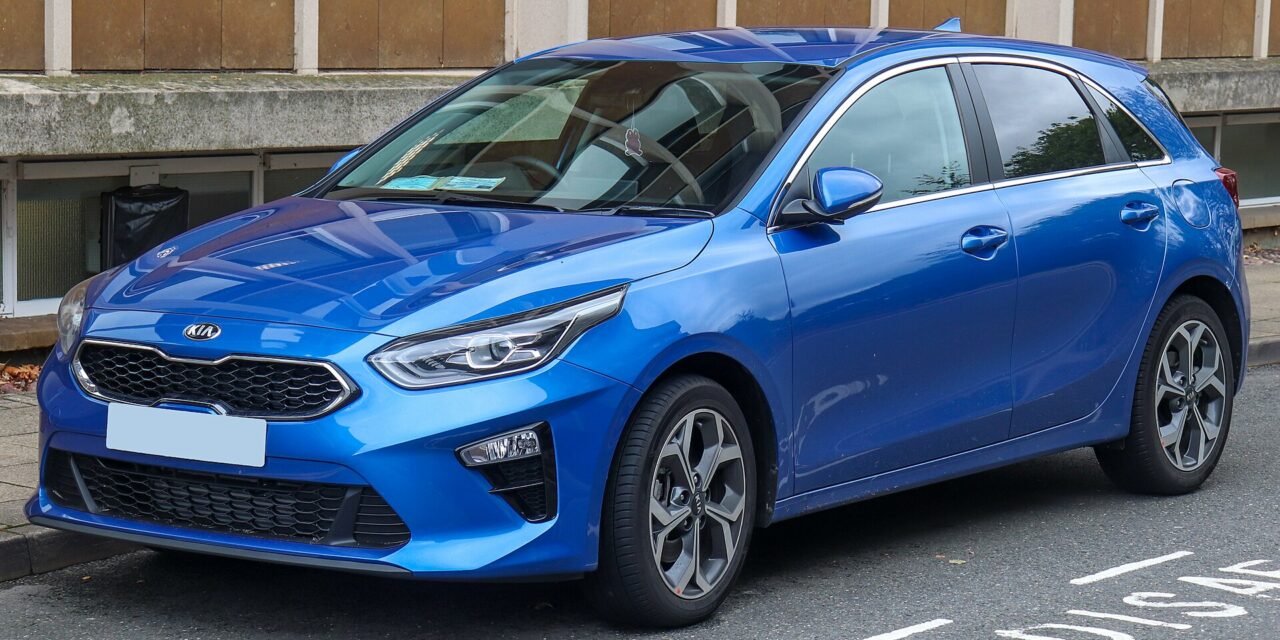
A used Kia Ceed is an easy car to overlook. It is not as fashionable as a small SUV, yet it offers the things many second-hand buyers actually need: five doors, a sensible footprint, a proper boot and a wide choice of petrol, diesel, manual and automatic versions. The third-generation Ceed arrived in the UK in 2018, so there are now plenty of examples at different ages and mileages.
That does not make every one a safe buy. The right approach is to choose the engine for the journeys you really make, then spend the viewing checking the particular car rather than assuming a familiar badge guarantees a good history.
The short answer
A well-kept Ceed can make a sensible used family hatchback, especially for a buyer who values practicality and a conventional driving position over SUV styling. Favour a complete, believable service record, a clean MOT pattern and a car that drives quietly from cold. Do not pay extra merely because the advert says it has warranty remaining: establish exactly what cover is left, what is excluded and whether the mileage and servicing requirements have been met.
Pick the engine before you pick the colour
The Ceed range has included small turbocharged petrol engines, a larger turbo petrol and diesel options. There is no universal best choice.
Mostly short trips and town driving
A petrol Ceed is usually the more straightforward starting point for short, low-mileage use. The smaller turbo petrol is the sensible choice when the car will normally carry one or two people and spend much of its life around town. It should still pull cleanly from low revs, but do not judge it only on a gentle lap of the block. Use a hill or a faster road on the test drive and see whether it feels adequate with the air conditioning on.
Regular motorway miles or a full car
If you cover longer trips, regularly fill all five seats or simply prefer less effort when joining a dual carriageway, try the more powerful petrol options as well. The point is not to chase the fastest version. It is to avoid buying a car that feels strained in the way you will actually use it.
A diesel can still suit a high-mileage driver who routinely gives it long, hot runs. It is a poor match for repeated short journeys. Ask directly about the car’s normal use, because that matters more than a low odometer reading when assessing a modern diesel.
Manual or automatic
A manual should engage first and reverse without resistance, pull away cleanly and have a clutch that feels consistent in traffic. On an automatic, start with the transmission cold if possible. Select drive and reverse, then look for a clean, predictable pull-away and smooth progress through gentle acceleration, a hill and stop-start traffic. A hesitant, jerky or warning-light-free test drive is not proof that all is well, but it is a reason to pause and get the car assessed before buying.
Hatchback or Sportswagon?
The standard hatch is the easier choice for urban parking and is ample for many households. The Ceed Sportswagon estate is worth seeking out if the boot is the reason you are changing cars. Take the items that matter to the viewing: a buggy, dog crate, golf bag or work kit. Measure with the tailgate shut rather than trusting an online capacity figure.
Check that the parcel shelf, boot floor, load cover and both rear seatbacks work properly. Missing accessories are not necessarily a deal-breaker, but they should be reflected in the price and can be surprisingly fiddly to replace.
The five-minute checks before a test drive
Do these before the seller starts the engine. They are simple, but they reveal whether the car has been prepared carefully or merely cleaned for sale.
- Match the car to the advert. Check the registration, trim, fuel type, transmission and claimed mileage. A registration check through the DVLA vehicle enquiry service confirms core vehicle details such as first-registration date, engine size, fuel type, MOT expiry and V5C issue date.
- Look at all four tyres. They should be the correct size for the car, free from sidewall damage and wearing evenly across the tread. Uneven inner-edge wear can be easy to miss if you only stand back and admire the paintwork.
- Inspect the wheels and lower body. Kerbing is cosmetic, but it can suggest a hard life in town. Look underneath the front bumper, at the sills and around the tailgate opening for scrapes, poor paint match or damp.
- Check the cabin properly. Work every electric window, central locking, mirrors, touchscreen function, heating and air conditioning. Pairing a phone and trying the reversing camera, where fitted, is more useful than accepting that everything was fine yesterday.
- Ask for both keys. A missing spare key is a cost and an inconvenience. Make sure the key you are given operates the remote locking and starts the car reliably.
Read the MOT history as a pattern, not a pass or fail badge
The official MOT history service shows pass and fail results, recorded mileage, advisories and, for many vehicles, recall information. It is one of the best free checks available to a used-car buyer.
A recent pass is reassuring, but it does not erase an earlier trail of repeated tyre, brake, suspension or lighting advisories. Read several years where available. Ask why an advisory reappeared, and ask to see an invoice if the seller says it was fixed. Equally, do not reject a car just because it once failed an MOT: an honest failure followed by a documented repair can be less concerning than a suspiciously empty paperwork file.
The mileage should rise in a believable sequence. A discrepancy is not something to explain away at the kerbside. Stop and investigate it before any deposit changes hands.
Service history matters more than a stamped book
A thick folder can be reassuring, but the useful question is whether the servicing has followed the correct schedule for that engine and age. Look for invoices as well as stamps, particularly for major work. Invoices can identify the garage, mileage and parts used; a stamp alone tells you much less.
Ask when the next scheduled service is due and whether the quoted price includes it. A car that seems cheaper than comparable Ceeds may simply be approaching tyres, brakes, a service or an MOT. Build those items into the comparison before deciding it is a bargain.
Kia is well known for offering long new-car warranty cover, but that should be treated as a prompt for questions, not a promise. Ask a Kia dealer or the warranty administrator to confirm the vehicle-specific position using the registration or VIN. Check the in-service date, mileage limit, service requirements and any work that the policy excludes.
Test-drive the Ceed like you would own it
Start the car from cold if the seller allows it. Warning lights should illuminate for the self-check and then go out. Listen for an uneven idle, rattles that persist after start-up or a noisy cooling fan before the engine has warmed.
On the road, try these situations:
- a slow, full-lock turn in a quiet car park, listening for knocks or tyre scrub that feels abnormal
- rougher road surfaces, to expose suspension noise and loose trim
- a firm but safe stop, checking that the car pulls straight and the steering wheel does not shake
- a steady 50 to 70mph run, where wind noise, vibration and gearbox behaviour become clearer
- a hill start or low-speed crawl, especially on a manual or automatic car
Do not let the seller choose a two-minute route that avoids every pothole and faster road. If they will not allow a meaningful test drive or an independent inspection, treat that as a reason not to rush.
Check recalls and provenance separately
An MOT record is useful, but it is not a substitute for a recall check with the manufacturer. Ask the selling dealer to confirm open recall work by VIN, or contact Kia directly before collection. If a seller says a recall has been completed, ask for evidence.
For any used car, not just a Ceed, also consider a history check that covers outstanding finance, insurance write-off status and theft markers. The V5C identifies the registered keeper; it is not proof that the person selling the car owns it outright. If the seller cannot explain mismatched details or is pressing for a quick payment, walk away.
Questions worth asking the seller
Keep the questions specific. You are looking for answers that match the paperwork and the car in front of you.
- How long have you owned it, and why are you selling?
- What journeys has it mainly done?
- When was it last serviced, and what is due next?
- Have any MOT advisories been repaired? Can I see the invoice?
- Has it had accident repairs, paintwork or insurance claims?
- Are there two working keys?
- Is any manufacturer warranty still active, and can it be confirmed in writing?
- Can I see the V5C and arrange an independent inspection before completing the deal?
A sensible buying decision
Choose the used Kia Ceed with the clearest history, best test drive and most suitable engine, not automatically the newest plate or lowest advertised price. A modestly higher-mileage car with regular servicing, good tyres and a clean paper trail can be the safer purchase than a cheaper example with gaps that the seller wants you to ignore.
If the car passes those checks, the Ceed’s mix of space, conventional controls and hatchback practicality makes it a sensible alternative to paying SUV money for a similar-sized family car.
Used Kia Ceed FAQs
Is a used Kia Ceed a good first family car?
It can be, provided the boot, rear-seat space and insurance cost work for your household. Take child seats and bulky luggage to the viewing rather than assuming the hatchback will fit them.
Should I buy a diesel Kia Ceed for short trips?
Usually not. A petrol version is generally the safer starting point for frequent short journeys. A diesel makes more sense when it will regularly be driven far enough to warm through properly.
Does a full MOT mean a used Ceed is fault-free?
No. An MOT is a roadworthiness test at a point in time. Read the history, inspect the car and test drive it. An independent inspection can be worthwhile when the purchase price makes the risk meaningful.
Can I rely on the Kia warranty when buying used?
Only after the remaining cover has been confirmed for that individual car. Ask for written confirmation of the in-service date, mileage limit, service requirements and exclusions before you treat warranty as part of the value.